Expressing the sense of Congress that the United States representative to the United Nations Commission on Narcotic Drugs should use the voice, vote, and influence of the United States to seek to de-schedule cannabis from Schedule I of the Single Convention on Narcotic Drugs of 1961 and take other related actions.
USA117th CongressHCONRES-81| House
| Updated: 3/21/2022
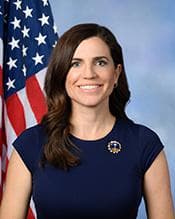
Nancy Mace
Republican Representative
South Carolina
Cosponsors (3)
Foreign Affairs Committee
- Introduced
- In Committee
- On Floor
- Passed Chamber
- Enacted
This concurrent resolution expresses that it is the sense of Congress that the President should direct the U.S. representative to the U.N. Commission on Narcotic Drugs to use the voice, vote, and influence of the United States at the commission to seek to de-schedule cannabis from Schedule I of the Single Convention on Narcotic Drugs of 1961, expunge and forgive penalties related to cannabis for prior offenders, and treat cannabis as a commodity similar to other agricultural commodities.
View Full TextSuggested Questions
Get AI-generated questions to help you understand this bill better
Timeline
Introduced in House
Referred to the House Committee on Foreign Affairs.
International Affairs
Expressing the sense of Congress that the United States representative to the United Nations Commission on Narcotic Drugs should use the voice, vote, and influence of the United States to seek to de-schedule cannabis from Schedule I of the Single Convention on Narcotic Drugs of 1961 and take other related actions.
USA117th CongressHCONRES-81| House
| Updated: 3/21/2022
This concurrent resolution expresses that it is the sense of Congress that the President should direct the U.S. representative to the U.N. Commission on Narcotic Drugs to use the voice, vote, and influence of the United States at the commission to seek to de-schedule cannabis from Schedule I of the Single Convention on Narcotic Drugs of 1961, expunge and forgive penalties related to cannabis for prior offenders, and treat cannabis as a commodity similar to other agricultural commodities.
View Full TextSuggested Questions
Get AI-generated questions to help you understand this bill better
Timeline
Introduced in House
Referred to the House Committee on Foreign Affairs.
Nancy Mace
Republican Representative
South Carolina
Cosponsors (3)
Foreign Affairs Committee
International Affairs
- Introduced
- In Committee
- On Floor
- Passed Chamber
- Enacted