Kira Johnson Act
USA117th CongressHR-1212| House
| Updated: 2/24/2021
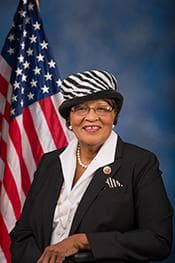
Alma S. Adams
Democratic Representative
North Carolina
Cosponsors (43)
Dwight Evans (Democratic)Al Lawson (Democratic)Tim Ryan (Democratic)Nikema Williams (Democratic)John Garamendi (Democratic)Adam B. Schiff (Democratic)Karen Bass (Democratic)Lisa Blunt Rochester (Democratic)David J. Trone (Democratic)Darren Soto (Democratic)Sheila Jackson Lee (Democratic)John A. Yarmuth (Democratic)Carolyn B. Maloney (Democratic)Terri A. Sewell (Democratic)Troy A. Carter (Democratic)Steven Horsford (Democratic)Ro Khanna (Democratic)Henry C. "Hank" Johnson (Democratic)Sheila Cherfilus-McCormick (Democratic)John B. Larson (Democratic)G. K. Butterfield (Democratic)Marilyn Strickland (Democratic)Jahana Hayes (Democratic)Jerrold Nadler (Democratic)Theodore E. Deutch (Democratic)Lucy McBath (Democratic)Kathy Castor (Democratic)Eleanor Holmes Norton (Democratic)Mary Gay Scanlon (Democratic)Janice D. Schakowsky (Democratic)Alexandria Ocasio-Cortez (Democratic)Adam Smith (Democratic)Nydia M. Velázquez (Democratic)Yvette D. Clarke (Democratic)Earl Blumenauer (Democratic)Deborah K. Ross (Democratic)Seth Moulton (Democratic)Nanette Diaz Barragán (Democratic)Gwen Moore (Democratic)Ayanna Pressley (Democratic)Lloyd Doggett (Democratic)Debbie Wasserman Schultz (Democratic)Lauren Underwood (Democratic)
Health Subcommittee, Energy and Commerce Committee
- Introduced
- In Committee
- On Floor
- Passed Chamber
- Enacted
Kira Johnson Act This bill establishes grants to improve maternal health outcomes for racial and ethnic minority groups and other underserved populations. Specifically, the Department of Health and Human Services must award grants for community-based programs to improve maternal health outcomes for Black pregnant and postpartum individuals, as well as individuals in other underserved groups; training for health care providers and others who work in maternity care settings on reducing and preventing racism, bias, and discrimination; and respectful maternity care compliance programs in specified health care facilities. The National Academies of Sciences, Engineering, and Medicine must study issues related to the training programs, and the Government Accountability Office must study issues related to the compliance programs.
View Full TextSuggested Questions
Get AI-generated questions to help you understand this bill better
Timeline
Introduced in House
Referred to the House Committee on Energy and Commerce.
Referred to the Subcommittee on Health.
Health
Air qualityCensus and government statisticsChild care and developmentDisability and health-based discriminationDrug, alcohol, tobacco useGovernment information and archivesGovernment studies and investigationsHazardous wastes and toxic substancesHealth care coverage and accessHealth care qualityHealth facilities and institutionsHealth information and medical recordsHealth personnelHealth programs administration and fundingHealth promotion and preventive careHigher educationMedical educationMedical ethicsMedical researchMental healthMinority educationMinority healthNutrition and dietRacial and ethnic relationsSex and reproductive healthSocial work, volunteer service, charitable organizationsState and local financeStudent aid and college costsWater qualityWomen in businessWomen's health
Kira Johnson Act
USA117th CongressHR-1212| House
| Updated: 2/24/2021
Kira Johnson Act This bill establishes grants to improve maternal health outcomes for racial and ethnic minority groups and other underserved populations. Specifically, the Department of Health and Human Services must award grants for community-based programs to improve maternal health outcomes for Black pregnant and postpartum individuals, as well as individuals in other underserved groups; training for health care providers and others who work in maternity care settings on reducing and preventing racism, bias, and discrimination; and respectful maternity care compliance programs in specified health care facilities. The National Academies of Sciences, Engineering, and Medicine must study issues related to the training programs, and the Government Accountability Office must study issues related to the compliance programs.
View Full TextSuggested Questions
Get AI-generated questions to help you understand this bill better
Timeline
Introduced in House
Referred to the House Committee on Energy and Commerce.
Referred to the Subcommittee on Health.
Alma S. Adams
Democratic Representative
North Carolina
Cosponsors (43)
Dwight Evans (Democratic)Al Lawson (Democratic)Tim Ryan (Democratic)Nikema Williams (Democratic)John Garamendi (Democratic)Adam B. Schiff (Democratic)Karen Bass (Democratic)Lisa Blunt Rochester (Democratic)David J. Trone (Democratic)Darren Soto (Democratic)Sheila Jackson Lee (Democratic)John A. Yarmuth (Democratic)Carolyn B. Maloney (Democratic)Terri A. Sewell (Democratic)Troy A. Carter (Democratic)Steven Horsford (Democratic)Ro Khanna (Democratic)Henry C. "Hank" Johnson (Democratic)Sheila Cherfilus-McCormick (Democratic)John B. Larson (Democratic)G. K. Butterfield (Democratic)Marilyn Strickland (Democratic)Jahana Hayes (Democratic)Jerrold Nadler (Democratic)Theodore E. Deutch (Democratic)Lucy McBath (Democratic)Kathy Castor (Democratic)Eleanor Holmes Norton (Democratic)Mary Gay Scanlon (Democratic)Janice D. Schakowsky (Democratic)Alexandria Ocasio-Cortez (Democratic)Adam Smith (Democratic)Nydia M. Velázquez (Democratic)Yvette D. Clarke (Democratic)Earl Blumenauer (Democratic)Deborah K. Ross (Democratic)Seth Moulton (Democratic)Nanette Diaz Barragán (Democratic)Gwen Moore (Democratic)Ayanna Pressley (Democratic)Lloyd Doggett (Democratic)Debbie Wasserman Schultz (Democratic)Lauren Underwood (Democratic)
Health Subcommittee, Energy and Commerce Committee
Health
Related Bills
- Introduced
- In Committee
- On Floor
- Passed Chamber
- Enacted
Air qualityCensus and government statisticsChild care and developmentDisability and health-based discriminationDrug, alcohol, tobacco useGovernment information and archivesGovernment studies and investigationsHazardous wastes and toxic substancesHealth care coverage and accessHealth care qualityHealth facilities and institutionsHealth information and medical recordsHealth personnelHealth programs administration and fundingHealth promotion and preventive careHigher educationMedical educationMedical ethicsMedical researchMental healthMinority educationMinority healthNutrition and dietRacial and ethnic relationsSex and reproductive healthSocial work, volunteer service, charitable organizationsState and local financeStudent aid and college costsWater qualityWomen in businessWomen's health