Protect the Youth Vote Act of 2021
USA117th CongressHR-1366| House
| Updated: 4/28/2021
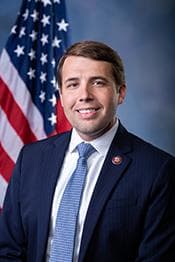
Chris Pappas
Democratic Representative
New Hampshire
Cosponsors (26)
Sylvia R. Garcia (Democratic)Ruben Gallego (Democratic)Barbara Lee (Democratic)Stephanie N. Murphy (Democratic)Darren Soto (Democratic)Derek Kilmer (Democratic)Carolyn B. Maloney (Democratic)Eric Swalwell (Democratic)Paul Tonko (Democratic)Thomas R. Suozzi (Democratic)Ann M. Kuster (Democratic)André Carson (Democratic)Mark DeSaulnier (Democratic)Joseph D. Morelle (Democratic)Sara Jacobs (Democratic)Dean Phillips (Democratic)Jahana Hayes (Democratic)Eleanor Holmes Norton (Democratic)Salud O. Carbajal (Democratic)Joe Neguse (Democratic)James P. McGovern (Democratic)Michael F. Q. San Nicolas (Democratic)Deborah K. Ross (Democratic)Lori Trahan (Democratic)Seth Moulton (Democratic)Grace Meng (Democratic)
Judiciary Committee, Constitution and Limited Government Subcommittee
- Introduced
- In Committee
- On Floor
- Passed Chamber
- Enacted
Protect the Youth Vote Act of 2021 This bill outlines specific practices that violate the Twenty-Sixth Amendment to the Constitution, identifies actions that are voting offenses, and provides for the enforcement of the amendment. The Twenty-Sixth Amendment sets the voting age at 18 and prohibits states or the federal government from denying or restricting the right to vote based on age. First, the bill specifies those actions by a state or political subdivision that qualify as a violation of the right to vote based on age, including laws that reduce or restrict the ability of students who attend an institution of higher education and reside in the jurisdiction of the institution to register to vote in that jurisdiction. It also provides for (1) criminal penalties for such violations, and (2) preventive relief such as an injunction or a restraining order. Next, the bill allows for the appointment of federal observers to enforce voting rights related to age. The Department of Justice may monitor and enforce such voting rights whenever federal observers are appointed. Further, the bill specifies other actions that are voting offenses. It also establishes criminal penalties for certain voting offenses, including those related to duplicative voting and the deprivation of voting rights. The bill also sets forth requirements for a state or political subdivision to notify the public about changes with respect to the voting procedures for federal elections.
View Full TextSuggested Questions
Get AI-generated questions to help you understand this bill better
Timeline
Introduced in House
Referred to the House Committee on the Judiciary.
Referred to the Subcommittee on the Constitution, Civil Rights, and Civil Liberties.
Government Operations and Politics
Age discriminationCongressional districts and representationConstitution and constitutional amendmentsCriminal investigation, prosecution, interrogationCriminal procedure and sentencingElections, voting, political campaign regulationFederal preemptionFraud offenses and financial crimesGovernment ethics and transparency, public corruptionHigher educationState and local government operationsVoting rights
Protect the Youth Vote Act of 2021
USA117th CongressHR-1366| House
| Updated: 4/28/2021
Protect the Youth Vote Act of 2021 This bill outlines specific practices that violate the Twenty-Sixth Amendment to the Constitution, identifies actions that are voting offenses, and provides for the enforcement of the amendment. The Twenty-Sixth Amendment sets the voting age at 18 and prohibits states or the federal government from denying or restricting the right to vote based on age. First, the bill specifies those actions by a state or political subdivision that qualify as a violation of the right to vote based on age, including laws that reduce or restrict the ability of students who attend an institution of higher education and reside in the jurisdiction of the institution to register to vote in that jurisdiction. It also provides for (1) criminal penalties for such violations, and (2) preventive relief such as an injunction or a restraining order. Next, the bill allows for the appointment of federal observers to enforce voting rights related to age. The Department of Justice may monitor and enforce such voting rights whenever federal observers are appointed. Further, the bill specifies other actions that are voting offenses. It also establishes criminal penalties for certain voting offenses, including those related to duplicative voting and the deprivation of voting rights. The bill also sets forth requirements for a state or political subdivision to notify the public about changes with respect to the voting procedures for federal elections.
View Full TextSuggested Questions
Get AI-generated questions to help you understand this bill better
Timeline
Introduced in House
Referred to the House Committee on the Judiciary.
Referred to the Subcommittee on the Constitution, Civil Rights, and Civil Liberties.
Chris Pappas
Democratic Representative
New Hampshire
Cosponsors (26)
Sylvia R. Garcia (Democratic)Ruben Gallego (Democratic)Barbara Lee (Democratic)Stephanie N. Murphy (Democratic)Darren Soto (Democratic)Derek Kilmer (Democratic)Carolyn B. Maloney (Democratic)Eric Swalwell (Democratic)Paul Tonko (Democratic)Thomas R. Suozzi (Democratic)Ann M. Kuster (Democratic)André Carson (Democratic)Mark DeSaulnier (Democratic)Joseph D. Morelle (Democratic)Sara Jacobs (Democratic)Dean Phillips (Democratic)Jahana Hayes (Democratic)Eleanor Holmes Norton (Democratic)Salud O. Carbajal (Democratic)Joe Neguse (Democratic)James P. McGovern (Democratic)Michael F. Q. San Nicolas (Democratic)Deborah K. Ross (Democratic)Lori Trahan (Democratic)Seth Moulton (Democratic)Grace Meng (Democratic)
Judiciary Committee, Constitution and Limited Government Subcommittee
Government Operations and Politics
- Introduced
- In Committee
- On Floor
- Passed Chamber
- Enacted
Age discriminationCongressional districts and representationConstitution and constitutional amendmentsCriminal investigation, prosecution, interrogationCriminal procedure and sentencingElections, voting, political campaign regulationFederal preemptionFraud offenses and financial crimesGovernment ethics and transparency, public corruptionHigher educationState and local government operationsVoting rights