ZERO WASTE Act
USA117th CongressHR-2101| House
| Updated: 3/22/2021
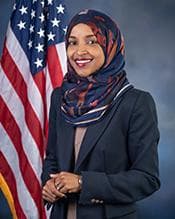
Ilhan Omar
Democratic Representative
Minnesota
Environment Subcommittee, Energy and Commerce Committee
- Introduced
- In Committee
- On Floor
- Passed Chamber
- Enacted
Zeroing Excess, Reducing Organic Waste, And Sustaining Technical Expertise Act or the ZERO WASTE Act This bill requires the Environmental Protection Agency (EPA) to establish grant programs for reducing waste. Specifically, the EPA must establish a program to award grants to nonprofit organizations and state, local, and tribal governments for projects that utilize specified zero-waste practices. Zero-waste means the conservation of all resources by means of responsible production, consumption, reuse, and recovery of products, packaging, and materials without (1) burning or otherwise destroying embodied energy; and (2) a discharge to land, water, or air that results in adverse human health or environmental effects. In addition, the EPA must establish a program to award grants for developing and implementing new requirements that reduce the amount of waste disposed of in landfills.
View Full TextSuggested Questions
Get AI-generated questions to help you understand this bill better
Timeline
Introduced in House
Referred to the House Committee on Energy and Commerce.
Referred to the Subcommittee on Environment and Climate Change.
Environmental Protection
Advanced technology and technological innovationsAir qualityBiological and life sciencesClimate change and greenhouse gasesEnvironmental educationEnvironmental technologyHazardous wastes and toxic substancesManufacturingMarketing and advertisingProduct development and innovationSolid waste and recyclingState and local government operationsWages and earnings
ZERO WASTE Act
USA117th CongressHR-2101| House
| Updated: 3/22/2021
Zeroing Excess, Reducing Organic Waste, And Sustaining Technical Expertise Act or the ZERO WASTE Act This bill requires the Environmental Protection Agency (EPA) to establish grant programs for reducing waste. Specifically, the EPA must establish a program to award grants to nonprofit organizations and state, local, and tribal governments for projects that utilize specified zero-waste practices. Zero-waste means the conservation of all resources by means of responsible production, consumption, reuse, and recovery of products, packaging, and materials without (1) burning or otherwise destroying embodied energy; and (2) a discharge to land, water, or air that results in adverse human health or environmental effects. In addition, the EPA must establish a program to award grants for developing and implementing new requirements that reduce the amount of waste disposed of in landfills.
View Full TextSuggested Questions
Get AI-generated questions to help you understand this bill better
Timeline
Introduced in House
Referred to the House Committee on Energy and Commerce.
Referred to the Subcommittee on Environment and Climate Change.
Ilhan Omar
Democratic Representative
Minnesota
Environment Subcommittee, Energy and Commerce Committee
Environmental Protection
Related Bills
- Introduced
- In Committee
- On Floor
- Passed Chamber
- Enacted
Advanced technology and technological innovationsAir qualityBiological and life sciencesClimate change and greenhouse gasesEnvironmental educationEnvironmental technologyHazardous wastes and toxic substancesManufacturingMarketing and advertisingProduct development and innovationSolid waste and recyclingState and local government operationsWages and earnings