Mobility Options, Resiliency, and Efficiency (MORE) through TDM Act
USA117th CongressHR-2514| House
| Updated: 4/15/2021
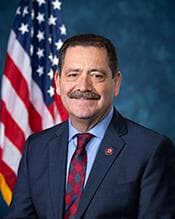
Jesús G. "Chuy" García
Democratic Representative
Illinois
Cosponsors (5)
Transportation and Infrastructure Committee, Highways and Transit Subcommittee
- Introduced
- In Committee
- On Floor
- Passed Chamber
- Enacted
Mobility Options, Resiliency, and Efficiency (MORE) through TDM Act This bill addresses supporting transportation demand management (TDM) expectations and goals that will serve the mobility needs of the people and freight, foster economic growth and development within and between states and urbanized areas. Transportation demand management is the use of strategies to inform and encourage travelers to maximize the efficiency of a transportation system leading to improved mobility, reduced congestion, and lower vehicle emissions. Each state and metropolitan planning organization must include TDM targets in the development of their long-range transportation plans. The bill directs the Department of Transportation (DOT) to establish a program to encourage and assist the development and funding of TDM related projects. Additionally, DOT must provide grants to nonprofit institutions of higher education to establish and operate a university transportation center for research and development related to TDM and TDM strategies. TDM strategies means the use of planning, programs, policy, marketing, communications, incentives, pricing, data, and technology to shift travel mode, routes used, departure times, number of trips, and location and design of work spaces or public attractions. The bill establishes a National Advisory Committee under the Federal Highways Administration to strategically direct federal resources and policies toward implementation of TDM objectives. Additionally, each state must establish advisory committees focused on the development and furthering of the principles of TDM.
View Full TextSuggested Questions
Get AI-generated questions to help you understand this bill better
Timeline
Bill from Previous Congress
HR 116-6770Mobility Options, Resiliency, and Efficiency (MORE) through TDM Act
Introduced in House
Referred to the House Committee on Transportation and Infrastructure.
Referred to the Subcommittee on Highways and Transit.
Transportation and Public Works
Advisory bodiesDepartment of TransportationEconomic developmentHigher educationMotor carriersMotor vehiclesPublic-private cooperationPublic transitResearch administration and fundingResearch and developmentRoads and highwaysState and local government operationsTransportation programs funding
Mobility Options, Resiliency, and Efficiency (MORE) through TDM Act
USA117th CongressHR-2514| House
| Updated: 4/15/2021
Mobility Options, Resiliency, and Efficiency (MORE) through TDM Act This bill addresses supporting transportation demand management (TDM) expectations and goals that will serve the mobility needs of the people and freight, foster economic growth and development within and between states and urbanized areas. Transportation demand management is the use of strategies to inform and encourage travelers to maximize the efficiency of a transportation system leading to improved mobility, reduced congestion, and lower vehicle emissions. Each state and metropolitan planning organization must include TDM targets in the development of their long-range transportation plans. The bill directs the Department of Transportation (DOT) to establish a program to encourage and assist the development and funding of TDM related projects. Additionally, DOT must provide grants to nonprofit institutions of higher education to establish and operate a university transportation center for research and development related to TDM and TDM strategies. TDM strategies means the use of planning, programs, policy, marketing, communications, incentives, pricing, data, and technology to shift travel mode, routes used, departure times, number of trips, and location and design of work spaces or public attractions. The bill establishes a National Advisory Committee under the Federal Highways Administration to strategically direct federal resources and policies toward implementation of TDM objectives. Additionally, each state must establish advisory committees focused on the development and furthering of the principles of TDM.
View Full TextSuggested Questions
Get AI-generated questions to help you understand this bill better
Timeline
Bill from Previous Congress
HR 116-6770Mobility Options, Resiliency, and Efficiency (MORE) through TDM Act
Introduced in House
Referred to the House Committee on Transportation and Infrastructure.
Referred to the Subcommittee on Highways and Transit.
Jesús G. "Chuy" García
Democratic Representative
Illinois
Cosponsors (5)
Transportation and Infrastructure Committee, Highways and Transit Subcommittee
Transportation and Public Works
- Introduced
- In Committee
- On Floor
- Passed Chamber
- Enacted
Advisory bodiesDepartment of TransportationEconomic developmentHigher educationMotor carriersMotor vehiclesPublic-private cooperationPublic transitResearch administration and fundingResearch and developmentRoads and highwaysState and local government operationsTransportation programs funding