Maternal CARE Act
USA117th CongressHR-2556| House
| Updated: 4/16/2021
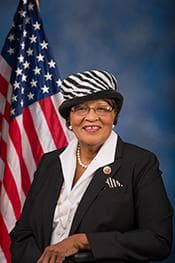
Alma S. Adams
Democratic Representative
North Carolina
Health Subcommittee, Energy and Commerce Committee
- Introduced
- In Committee
- On Floor
- Passed Chamber
- Enacted
Maternal Care Access and Reducing Emergencies Act or the Maternal CARE Act This bill requires the Department of Health and Human Services (HHS) to award grants to health-professional training programs for training that addresses implicit bias (e.g., racial bias) in the practice of obstetrics and gynecology. HHS must also award grants to up to 10 states for pregnancy medical-home programs that reduce adverse maternal-health outcomes and racial disparities. Among other requirements, such programs must prioritize the care of uninsured individuals or Medicaid enrollees. The National Academy of Medicine must make recommendations for incorporating bias recognition in clinical-skills tests at medical schools.
View Full TextSuggested Questions
Get AI-generated questions to help you understand this bill better
Timeline
Introduced in House
Referred to the House Committee on Energy and Commerce.
Referred to the Subcommittee on Health.
Health
Alternative treatmentsChild healthCongressional oversightDisability and health-based discriminationEducation programs fundingEmployment and training programsGovernment studies and investigationsHealth care qualityHealth personnelHealth programs administration and fundingHealth promotion and preventive careHome and outpatient careMedical educationMinority healthRacial and ethnic relationsSex and reproductive healthState and local government operationsWomen's health
Maternal CARE Act
USA117th CongressHR-2556| House
| Updated: 4/16/2021
Maternal Care Access and Reducing Emergencies Act or the Maternal CARE Act This bill requires the Department of Health and Human Services (HHS) to award grants to health-professional training programs for training that addresses implicit bias (e.g., racial bias) in the practice of obstetrics and gynecology. HHS must also award grants to up to 10 states for pregnancy medical-home programs that reduce adverse maternal-health outcomes and racial disparities. Among other requirements, such programs must prioritize the care of uninsured individuals or Medicaid enrollees. The National Academy of Medicine must make recommendations for incorporating bias recognition in clinical-skills tests at medical schools.
View Full TextSuggested Questions
Get AI-generated questions to help you understand this bill better
Timeline
Introduced in House
Referred to the House Committee on Energy and Commerce.
Referred to the Subcommittee on Health.
Alma S. Adams
Democratic Representative
North Carolina
Health Subcommittee, Energy and Commerce Committee
Health
Related Bills
- Introduced
- In Committee
- On Floor
- Passed Chamber
- Enacted
Alternative treatmentsChild healthCongressional oversightDisability and health-based discriminationEducation programs fundingEmployment and training programsGovernment studies and investigationsHealth care qualityHealth personnelHealth programs administration and fundingHealth promotion and preventive careHome and outpatient careMedical educationMinority healthRacial and ethnic relationsSex and reproductive healthState and local government operationsWomen's health