Educational Partnerships for Innovation in Communities Program Authorization Act
USA117th CongressHR-2993| House
| Updated: 5/5/2021
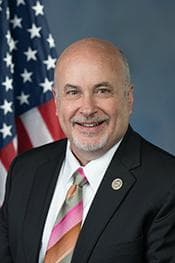
Mark Pocan
Democratic Representative
Wisconsin
Committees (10)
• Railroads, Pipelines, and Hazardous Materials Subcommittee• Transportation and Infrastructure Committee• Environment Subcommittee• Highways and Transit Subcommittee• Financial Services Committee• Economic Development, Public Buildings, and Emergency Management Subcommittee• Energy and Commerce Committee• Education and Workforce Committee• Coast Guard and Maritime Transportation Subcommittee• Aviation Subcommittee
- Introduced
- In Committee
- On Floor
- Passed Chamber
- Enacted
Educational Partnerships for Innovation in Communities Program Authorization Act This bill requires the Department of Transportation, in coordination with the Department of Housing and Urban Development, to award a competitive grant to a nonprofit organization to train and support institutions of higher education (IHEs) in assisting local governments by leveraging existing graduate and undergraduate classes for projects of need. Project of need refers to a project that (1) is identified by a local government that would benefit from the expertise of an IHE's faculty and students, and (2) advances a sustainable development goal (e.g., a goal related to climate change and housing affordability).
View Full TextSuggested Questions
Get AI-generated questions to help you understand this bill better
Timeline
Introduced in House
Referred to the Committee on Education and Labor, and in addition to the Committees on Transportation and Infrastructure, Financial Services, and Energy and Commerce, for a period to be subsequently determined by the Speaker, in each case for consideration of such provisions as fall within the jurisdiction of the committee concerned.
Referred to the Subcommittee on Coast Guard and Maritime Transportation.
Referred to the Subcommittee on Railroads, Pipelines, and Hazardous Materials.
Referred to the Subcommittee on Environment and Climate Change.
Referred to the Subcommittee on Economic Development, Public Buildings, and Emergency Management.
Referred to the Subcommittee on Highways and Transit.
Referred to the Subcommittee on Aviation.
Education
Air qualityClimate change and greenhouse gasesDisaster relief and insuranceEconomic developmentEducation programs fundingEmployment and training programsHigher educationHomelessness and emergency shelterHousing supply and affordabilityNatural disastersSocial work, volunteer service, charitable organizations
Educational Partnerships for Innovation in Communities Program Authorization Act
USA117th CongressHR-2993| House
| Updated: 5/5/2021
Educational Partnerships for Innovation in Communities Program Authorization Act This bill requires the Department of Transportation, in coordination with the Department of Housing and Urban Development, to award a competitive grant to a nonprofit organization to train and support institutions of higher education (IHEs) in assisting local governments by leveraging existing graduate and undergraduate classes for projects of need. Project of need refers to a project that (1) is identified by a local government that would benefit from the expertise of an IHE's faculty and students, and (2) advances a sustainable development goal (e.g., a goal related to climate change and housing affordability).
View Full TextSuggested Questions
Get AI-generated questions to help you understand this bill better
Timeline
Introduced in House
Referred to the Committee on Education and Labor, and in addition to the Committees on Transportation and Infrastructure, Financial Services, and Energy and Commerce, for a period to be subsequently determined by the Speaker, in each case for consideration of such provisions as fall within the jurisdiction of the committee concerned.
Referred to the Subcommittee on Coast Guard and Maritime Transportation.
Referred to the Subcommittee on Railroads, Pipelines, and Hazardous Materials.
Referred to the Subcommittee on Environment and Climate Change.
Referred to the Subcommittee on Economic Development, Public Buildings, and Emergency Management.
Referred to the Subcommittee on Highways and Transit.
Referred to the Subcommittee on Aviation.
Mark Pocan
Democratic Representative
Wisconsin
Committees (10)
• Railroads, Pipelines, and Hazardous Materials Subcommittee• Transportation and Infrastructure Committee• Environment Subcommittee• Highways and Transit Subcommittee• Financial Services Committee• Economic Development, Public Buildings, and Emergency Management Subcommittee• Energy and Commerce Committee• Education and Workforce Committee• Coast Guard and Maritime Transportation Subcommittee• Aviation Subcommittee
Education
- Introduced
- In Committee
- On Floor
- Passed Chamber
- Enacted
Air qualityClimate change and greenhouse gasesDisaster relief and insuranceEconomic developmentEducation programs fundingEmployment and training programsHigher educationHomelessness and emergency shelterHousing supply and affordabilityNatural disastersSocial work, volunteer service, charitable organizations