PEAKER Act of 2021
USA117th CongressHR-3139| House
| Updated: 5/13/2021
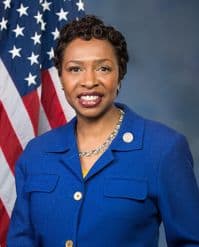
Yvette D. Clarke
Democratic Representative
New York
Cosponsors (14)
Nikema Williams (Democratic)Barbara Lee (Democratic)Ritchie Torres (Democratic)Darren Soto (Democratic)Carolyn B. Maloney (Democratic)Mondaire Jones (Democratic)Adriano Espaillat (Democratic)Ro Khanna (Democratic)Jerrold Nadler (Democratic)Eleanor Holmes Norton (Democratic)Alexandria Ocasio-Cortez (Democratic)Nydia M. Velázquez (Democratic)Nanette Diaz Barragán (Democratic)Jesús G. "Chuy" García (Democratic)
Ways and Means Committee, Energy Subcommittee, Energy and Commerce Committee
- Introduced
- In Committee
- On Floor
- Passed Chamber
- Enacted
Promoting Energy Alternatives is Key to Emission Reductions Act of 2021 or the PEAKER Act of 2021 This bill addresses the emissions from peaker plants and provides financial incentives for renewable energy to reduce the need for peaker plants. Peaker plants are defined as fossil fuel-fired power plants or units of power plants that are run primarily to meet peak electricity demand. In other words, peaker plants are run where there is above average energy demand, such as during extremely hot or cold weather. The bill establishes an additional investment tax credit for renewable energy generation and battery storage to replace the need for peaker plants in disadvantaged communities. In addition, the Department of Energy (DOE) must establish a grant program to provide up to $1 billion annually through FY2032 to eligible entities for clean energy projects. Specifically, grants must be awarded to assist eligible entities in carrying out (1) projects associated with the construction, installation, or acquisition of qualifying renewable energy facilities and qualifying energy storage facilities; or (2) community energy proposals or community energy studies to reduce or replace the need for peaker plants. Entities that are eligible to receive grants include state or local governments, nonprofit organizations, community-owned energy generation facilities or energy storage facilities located in disadvantaged communities, community-based energy cooperatives, or certain partnerships. DOE must also assess and report on the location of each peaker plant, the quantity and type of pollution each plant is producing, and related data as specified by the bill.
View Full TextSuggested Questions
Get AI-generated questions to help you understand this bill better
Timeline
Introduced in House
Referred to the Committee on Energy and Commerce, and in addition to the Committee on Ways and Means, for a period to be subsequently determined by the Speaker, in each case for consideration of such provisions as fall within the jurisdiction of the committee concerned.
Referred to the Subcommittee on Energy.
Energy
Air qualityAlternative and renewable resourcesBusiness investment and capitalClimate change and greenhouse gasesCoalCommunity life and organizationCongressional oversightElectric power generation and transmissionEnergy efficiency and conservationEnergy storage, supplies, demandEnvironmental healthIncome tax creditsOil and gasPoverty and welfare assistanceUnemployment
PEAKER Act of 2021
USA117th CongressHR-3139| House
| Updated: 5/13/2021
Promoting Energy Alternatives is Key to Emission Reductions Act of 2021 or the PEAKER Act of 2021 This bill addresses the emissions from peaker plants and provides financial incentives for renewable energy to reduce the need for peaker plants. Peaker plants are defined as fossil fuel-fired power plants or units of power plants that are run primarily to meet peak electricity demand. In other words, peaker plants are run where there is above average energy demand, such as during extremely hot or cold weather. The bill establishes an additional investment tax credit for renewable energy generation and battery storage to replace the need for peaker plants in disadvantaged communities. In addition, the Department of Energy (DOE) must establish a grant program to provide up to $1 billion annually through FY2032 to eligible entities for clean energy projects. Specifically, grants must be awarded to assist eligible entities in carrying out (1) projects associated with the construction, installation, or acquisition of qualifying renewable energy facilities and qualifying energy storage facilities; or (2) community energy proposals or community energy studies to reduce or replace the need for peaker plants. Entities that are eligible to receive grants include state or local governments, nonprofit organizations, community-owned energy generation facilities or energy storage facilities located in disadvantaged communities, community-based energy cooperatives, or certain partnerships. DOE must also assess and report on the location of each peaker plant, the quantity and type of pollution each plant is producing, and related data as specified by the bill.
View Full TextSuggested Questions
Get AI-generated questions to help you understand this bill better
Timeline
Introduced in House
Referred to the Committee on Energy and Commerce, and in addition to the Committee on Ways and Means, for a period to be subsequently determined by the Speaker, in each case for consideration of such provisions as fall within the jurisdiction of the committee concerned.
Referred to the Subcommittee on Energy.
Yvette D. Clarke
Democratic Representative
New York
Cosponsors (14)
Nikema Williams (Democratic)Barbara Lee (Democratic)Ritchie Torres (Democratic)Darren Soto (Democratic)Carolyn B. Maloney (Democratic)Mondaire Jones (Democratic)Adriano Espaillat (Democratic)Ro Khanna (Democratic)Jerrold Nadler (Democratic)Eleanor Holmes Norton (Democratic)Alexandria Ocasio-Cortez (Democratic)Nydia M. Velázquez (Democratic)Nanette Diaz Barragán (Democratic)Jesús G. "Chuy" García (Democratic)
Ways and Means Committee, Energy Subcommittee, Energy and Commerce Committee
Energy
Related Bills
- Introduced
- In Committee
- On Floor
- Passed Chamber
- Enacted
Air qualityAlternative and renewable resourcesBusiness investment and capitalClimate change and greenhouse gasesCoalCommunity life and organizationCongressional oversightElectric power generation and transmissionEnergy efficiency and conservationEnergy storage, supplies, demandEnvironmental healthIncome tax creditsOil and gasPoverty and welfare assistanceUnemployment