To amend the Federal Food, Drug, and Cosmetic Act to include a safe harbor for communication of information with respect to a vaccine authorized for emergency use under such Act that is provided or distributed to a health care provider, and for other purposes.
USA117th CongressHR-3705| House
| Updated: 6/7/2021
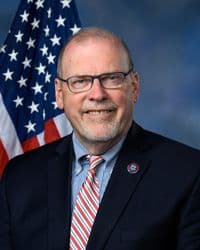
H. Morgan Griffith
Republican Representative
Virginia
Health Subcommittee, Energy and Commerce Committee
- Introduced
- In Committee
- On Floor
- Passed Chamber
- Enacted
This bill prohibits using certain communications to establish that a vaccine authorized for emergency use violates specified laws relating to drug safety, such as laws concerning drug misbranding and the authorization of new drugs. Specifically, the bill applies to certain communications about the use of such a vaccine that has been provided to certain health care entities. Such a communication must be (1) neither false nor misleading when measured objectively against the available information at the time; (2) accompanied by certain disclaimers, if required, including a statement identifying any differences between the communicated information and the vaccine's authorized labeling; and (3) based on competent and reliable scientific evidence.
View Full TextSuggested Questions
Get AI-generated questions to help you understand this bill better
Timeline
Introduced in House
Referred to the House Committee on Energy and Commerce.
Referred to the Subcommittee on Health.
Health
To amend the Federal Food, Drug, and Cosmetic Act to include a safe harbor for communication of information with respect to a vaccine authorized for emergency use under such Act that is provided or distributed to a health care provider, and for other purposes.
USA117th CongressHR-3705| House
| Updated: 6/7/2021
This bill prohibits using certain communications to establish that a vaccine authorized for emergency use violates specified laws relating to drug safety, such as laws concerning drug misbranding and the authorization of new drugs. Specifically, the bill applies to certain communications about the use of such a vaccine that has been provided to certain health care entities. Such a communication must be (1) neither false nor misleading when measured objectively against the available information at the time; (2) accompanied by certain disclaimers, if required, including a statement identifying any differences between the communicated information and the vaccine's authorized labeling; and (3) based on competent and reliable scientific evidence.
View Full TextSuggested Questions
Get AI-generated questions to help you understand this bill better
Timeline
Introduced in House
Referred to the House Committee on Energy and Commerce.
Referred to the Subcommittee on Health.
H. Morgan Griffith
Republican Representative
Virginia
Health Subcommittee, Energy and Commerce Committee
Health
- Introduced
- In Committee
- On Floor
- Passed Chamber
- Enacted