Economic Inclusion Civil Rights Act of 2021
USA117th CongressHR-4157| House
| Updated: 11/1/2022
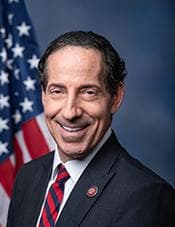
Jamie Raskin
Democratic Representative
Maryland
Cosponsors (14)
Robin L. Kelly (Democratic)Joyce Beatty (Democratic)Lisa Blunt Rochester (Democratic)Darren Soto (Democratic)Mondaire Jones (Democratic)Frederica S. Wilson (Democratic)Steven Horsford (Democratic)A. Donald McEachin (Democratic)Eleanor Holmes Norton (Democratic)Joe Neguse (Democratic)Colin Z. Allred (Democratic)Gwen Moore (Democratic)Rashida Tlaib (Democratic)Kweisi Mfume (Democratic)
Judiciary Committee, Constitution and Limited Government Subcommittee
- Introduced
- In Committee
- On Floor
- Passed Chamber
- Enacted
Economic Inclusion Civil Rights Act of 2021 This bill modifies the prohibition against intentional racial discrimination in the context of economic activity such as employment, contracts, or other commercial transactions. Specifically, the bill makes an action that has a discriminatory effect a violation of section 1977 of the Revised Statutes. Further, a plaintiff may prove intentional discrimination by showing only that the discriminatory intent was a motivating factor in the alleged violation. Under current law, a plaintiff must prove that the harm would not have occurred but for the defendant's unlawful conduct. Additionally, standing shall not be limited to victims who were parties to, or third-party beneficiaries of, a contract with the defendant. The bill provides for a right to jury trial and no joint-action waiver or pre-dispute arbitration agreement shall be enforceable with respect to any alleged violation. The bill provides for a four-year statute of limitations.
View Full TextSuggested Questions
Get AI-generated questions to help you understand this bill better
Timeline
Introduced in House
Referred to the House Committee on the Judiciary.
Referred to the Subcommittee on the Constitution, Civil Rights, and Civil Liberties.
Civil Rights and Liberties, Minority Issues
Alternative dispute resolution, mediation, arbitrationCivil actions and liabilityConsumer creditContracts and agencyCredit and credit marketsDue process and equal protectionEvidence and witnessesInternet and video servicesInternet, web applications, social mediaJurisdiction and venueRacial and ethnic relationsRetail and wholesale trades
Economic Inclusion Civil Rights Act of 2021
USA117th CongressHR-4157| House
| Updated: 11/1/2022
Economic Inclusion Civil Rights Act of 2021 This bill modifies the prohibition against intentional racial discrimination in the context of economic activity such as employment, contracts, or other commercial transactions. Specifically, the bill makes an action that has a discriminatory effect a violation of section 1977 of the Revised Statutes. Further, a plaintiff may prove intentional discrimination by showing only that the discriminatory intent was a motivating factor in the alleged violation. Under current law, a plaintiff must prove that the harm would not have occurred but for the defendant's unlawful conduct. Additionally, standing shall not be limited to victims who were parties to, or third-party beneficiaries of, a contract with the defendant. The bill provides for a right to jury trial and no joint-action waiver or pre-dispute arbitration agreement shall be enforceable with respect to any alleged violation. The bill provides for a four-year statute of limitations.
View Full TextSuggested Questions
Get AI-generated questions to help you understand this bill better
Timeline
Introduced in House
Referred to the House Committee on the Judiciary.
Referred to the Subcommittee on the Constitution, Civil Rights, and Civil Liberties.
Jamie Raskin
Democratic Representative
Maryland
Cosponsors (14)
Robin L. Kelly (Democratic)Joyce Beatty (Democratic)Lisa Blunt Rochester (Democratic)Darren Soto (Democratic)Mondaire Jones (Democratic)Frederica S. Wilson (Democratic)Steven Horsford (Democratic)A. Donald McEachin (Democratic)Eleanor Holmes Norton (Democratic)Joe Neguse (Democratic)Colin Z. Allred (Democratic)Gwen Moore (Democratic)Rashida Tlaib (Democratic)Kweisi Mfume (Democratic)
Judiciary Committee, Constitution and Limited Government Subcommittee
Civil Rights and Liberties, Minority Issues
- Introduced
- In Committee
- On Floor
- Passed Chamber
- Enacted
Alternative dispute resolution, mediation, arbitrationCivil actions and liabilityConsumer creditContracts and agencyCredit and credit marketsDue process and equal protectionEvidence and witnessesInternet and video servicesInternet, web applications, social mediaJurisdiction and venueRacial and ethnic relationsRetail and wholesale trades