Transportation Alternatives Enhancements Act
USA117th CongressHR-463| House
| Updated: 2/4/2021
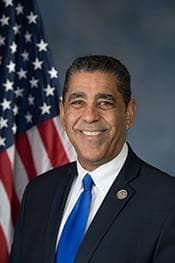
Adriano Espaillat
Democratic Representative
New York
Cosponsors (24)
John Garamendi (Democratic)Jared Huffman (Democratic)Barbara Lee (Democratic)Mark Pocan (Democratic)Emanuel Cleaver (Democratic)Mondaire Jones (Democratic)Steve Cohen (Democratic)Donald M. Payne (Democratic)Alan S. Lowenthal (Democratic)Brendan F. Boyle (Democratic)Mark DeSaulnier (Democratic)David E. Price (Democratic)Jerrold Nadler (Democratic)Salud O. Carbajal (Democratic)Mike Quigley (Democratic)Marie Newman (Democratic)Rick Larsen (Democratic)Earl Blumenauer (Democratic)Deborah K. Ross (Democratic)Zoe Lofgren (Democratic)Nanette Diaz Barragán (Democratic)Jesús G. "Chuy" García (Democratic)Chellie Pingree (Democratic)Grace F. Napolitano (Democratic)
Transportation and Infrastructure Committee, Highways and Transit Subcommittee
- Introduced
- In Committee
- On Floor
- Passed Chamber
- Enacted
Transportation Alternatives Enhancements Act This bill revises the surface transportation block grant program (Transportation Alternatives Program) of the Department of Transportation (DOT). The bill requires DOT to set aside 10% of apportioned funds under the program each fiscal year for states, and allows states to allocate funds to counties, metropolitan planning organizations (MPOs), regional transportation planning organizations, and local governments. Funds may be used for certain projects or activities, including the construction, planning, and design of infrastructure-related projects and systems that will provide safe routes for nondrivers, such as children, older adults, and individuals with disabilities, to access daily needs. MPOs that serve an urbanized area with a population of 200,000 or fewer are eligible for funding under the program. The bill also adjusts funding limits for states to improve the ability of applicants to access funding in an efficient and expeditious manner.
View Full TextSuggested Questions
Get AI-generated questions to help you understand this bill better
Timeline
Introduced in House
Referred to the House Committee on Transportation and Infrastructure.
Referred to the Subcommittee on Highways and Transit.
Transportation and Public Works
Disability and paralysisEducational facilities and institutionsFloods and storm protectionGovernment information and archivesHorticulture and plantsInfrastructure developmentMarketing and advertisingParks, recreation areas, trailsPedestrians and bicyclingPest managementRailroadsRegional and metropolitan planningRoads and highwaysState and local financeState and local government operationsTransportation programs fundingTransportation safety and securityWater quality
Transportation Alternatives Enhancements Act
USA117th CongressHR-463| House
| Updated: 2/4/2021
Transportation Alternatives Enhancements Act This bill revises the surface transportation block grant program (Transportation Alternatives Program) of the Department of Transportation (DOT). The bill requires DOT to set aside 10% of apportioned funds under the program each fiscal year for states, and allows states to allocate funds to counties, metropolitan planning organizations (MPOs), regional transportation planning organizations, and local governments. Funds may be used for certain projects or activities, including the construction, planning, and design of infrastructure-related projects and systems that will provide safe routes for nondrivers, such as children, older adults, and individuals with disabilities, to access daily needs. MPOs that serve an urbanized area with a population of 200,000 or fewer are eligible for funding under the program. The bill also adjusts funding limits for states to improve the ability of applicants to access funding in an efficient and expeditious manner.
View Full TextSuggested Questions
Get AI-generated questions to help you understand this bill better
Timeline
Introduced in House
Referred to the House Committee on Transportation and Infrastructure.
Referred to the Subcommittee on Highways and Transit.
Adriano Espaillat
Democratic Representative
New York
Cosponsors (24)
John Garamendi (Democratic)Jared Huffman (Democratic)Barbara Lee (Democratic)Mark Pocan (Democratic)Emanuel Cleaver (Democratic)Mondaire Jones (Democratic)Steve Cohen (Democratic)Donald M. Payne (Democratic)Alan S. Lowenthal (Democratic)Brendan F. Boyle (Democratic)Mark DeSaulnier (Democratic)David E. Price (Democratic)Jerrold Nadler (Democratic)Salud O. Carbajal (Democratic)Mike Quigley (Democratic)Marie Newman (Democratic)Rick Larsen (Democratic)Earl Blumenauer (Democratic)Deborah K. Ross (Democratic)Zoe Lofgren (Democratic)Nanette Diaz Barragán (Democratic)Jesús G. "Chuy" García (Democratic)Chellie Pingree (Democratic)Grace F. Napolitano (Democratic)
Transportation and Infrastructure Committee, Highways and Transit Subcommittee
Transportation and Public Works
Related Bills
- Introduced
- In Committee
- On Floor
- Passed Chamber
- Enacted
Disability and paralysisEducational facilities and institutionsFloods and storm protectionGovernment information and archivesHorticulture and plantsInfrastructure developmentMarketing and advertisingParks, recreation areas, trailsPedestrians and bicyclingPest managementRailroadsRegional and metropolitan planningRoads and highwaysState and local financeState and local government operationsTransportation programs fundingTransportation safety and securityWater quality