Public Health Emergency Privacy Act
USA117th CongressHR-651| House
| Updated: 2/2/2021
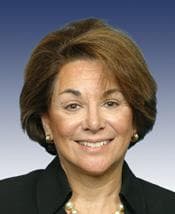
Anna G. Eshoo
Democratic Representative
California
Cosponsors (35)
Brenda L. Lawrence (Democratic)Barbara Lee (Democratic)Raúl M. Grijalva (Democratic)Mark Pocan (Democratic)Ed Case (Democratic)Darren Soto (Democratic)Bobby L. Rush (Democratic)Debbie Dingell (Democratic)Suzan K. DelBene (Democratic)Danny K. Davis (Democratic)Peter A. DeFazio (Democratic)Ted Lieu (Democratic)Ro Khanna (Democratic)Henry C. "Hank" Johnson (Democratic)André Carson (Democratic)Stephen F. Lynch (Democratic)Mark DeSaulnier (Democratic)Doris O. Matsui (Democratic)Jahana Hayes (Democratic)Eleanor Holmes Norton (Democratic)Bonnie Watson Coleman (Democratic)Mary Gay Scanlon (Democratic)Jamie Raskin (Democratic)Donald S. Beyer (Democratic)Janice D. Schakowsky (Democratic)James P. McGovern (Democratic)Michael F. Q. San Nicolas (Democratic)Jerry McNerney (Democratic)Yvette D. Clarke (Democratic)Peter Welch (Democratic)Lori Trahan (Democratic)Nanette Diaz Barragán (Democratic)Jesús G. "Chuy" García (Democratic)Alcee L. Hastings (Democratic)Katie Porter (Democratic)
Commerce, Manufacturing, and Trade Subcommittee, Energy and Commerce Committee
- Introduced
- In Committee
- On Floor
- Passed Chamber
- Enacted
Public Health Emergency Privacy Act This bill imposes privacy, confidentiality, and security requirements on the use and disclosure of COVID-19 (i.e., coronavirus disease 2019) emergency health data. This is data that is linked to an individual or device, such as test results. The requirements apply to organizations that collect, use, or disclose emergency health data electronically or that manage websites or applications for contact tracing and other COVID-19 response activities. These organizations must provide notice of privacy and other policies. They must also ensure the accuracy of, prevent discrimination based on, and limit disclosure of the data. If an organization collects data from at least 100,000 individuals, it must publicly report additional information about how it uses and discloses the data. Furthermore, the bill prohibits the use of emergency health data for commercial advertising or in ways that restrict access to opportunities, services, and other accommodations. It also prohibits government entities and organizations from using this data to infringe on the right to vote. The Department of Health and Human Services must report on the civil rights impact of the collection, use, and disclosure of health data. The bill provides for enforcement by the Federal Trade Commission, states, and a private right of action. It further specifies that certain dispute resolution mechanisms, such as arbitration, are unenforceable with respect to disputes arising under the bill.
View Full TextSuggested Questions
Get AI-generated questions to help you understand this bill better
Timeline
Introduced in House
Referred to the House Committee on Energy and Commerce.
Referred to the Subcommittee on Consumer Protection and Commerce.
Health
Administrative law and regulatory proceduresAlternative dispute resolution, mediation, arbitrationBusiness recordsCardiovascular and respiratory healthCivil actions and liabilityComputer security and identity theftCongressional oversightConsumer creditDisability and health-based discriminationEmergency medical services and trauma careEmployment discrimination and employee rightsFederal Trade Commission (FTC)GeneticsGeography and mappingHealth information and medical recordsHousing discriminationImmigration status and proceduresInfectious and parasitic diseasesMarketing and advertisingMedical tests and diagnostic methodsRacial and ethnic relationsRight of privacySex, gender, sexual orientation discriminationState and local government operationsVeterans' medical careVoting rights
Public Health Emergency Privacy Act
USA117th CongressHR-651| House
| Updated: 2/2/2021
Public Health Emergency Privacy Act This bill imposes privacy, confidentiality, and security requirements on the use and disclosure of COVID-19 (i.e., coronavirus disease 2019) emergency health data. This is data that is linked to an individual or device, such as test results. The requirements apply to organizations that collect, use, or disclose emergency health data electronically or that manage websites or applications for contact tracing and other COVID-19 response activities. These organizations must provide notice of privacy and other policies. They must also ensure the accuracy of, prevent discrimination based on, and limit disclosure of the data. If an organization collects data from at least 100,000 individuals, it must publicly report additional information about how it uses and discloses the data. Furthermore, the bill prohibits the use of emergency health data for commercial advertising or in ways that restrict access to opportunities, services, and other accommodations. It also prohibits government entities and organizations from using this data to infringe on the right to vote. The Department of Health and Human Services must report on the civil rights impact of the collection, use, and disclosure of health data. The bill provides for enforcement by the Federal Trade Commission, states, and a private right of action. It further specifies that certain dispute resolution mechanisms, such as arbitration, are unenforceable with respect to disputes arising under the bill.
View Full TextSuggested Questions
Get AI-generated questions to help you understand this bill better
Timeline
Introduced in House
Referred to the House Committee on Energy and Commerce.
Referred to the Subcommittee on Consumer Protection and Commerce.
Anna G. Eshoo
Democratic Representative
California
Cosponsors (35)
Brenda L. Lawrence (Democratic)Barbara Lee (Democratic)Raúl M. Grijalva (Democratic)Mark Pocan (Democratic)Ed Case (Democratic)Darren Soto (Democratic)Bobby L. Rush (Democratic)Debbie Dingell (Democratic)Suzan K. DelBene (Democratic)Danny K. Davis (Democratic)Peter A. DeFazio (Democratic)Ted Lieu (Democratic)Ro Khanna (Democratic)Henry C. "Hank" Johnson (Democratic)André Carson (Democratic)Stephen F. Lynch (Democratic)Mark DeSaulnier (Democratic)Doris O. Matsui (Democratic)Jahana Hayes (Democratic)Eleanor Holmes Norton (Democratic)Bonnie Watson Coleman (Democratic)Mary Gay Scanlon (Democratic)Jamie Raskin (Democratic)Donald S. Beyer (Democratic)Janice D. Schakowsky (Democratic)James P. McGovern (Democratic)Michael F. Q. San Nicolas (Democratic)Jerry McNerney (Democratic)Yvette D. Clarke (Democratic)Peter Welch (Democratic)Lori Trahan (Democratic)Nanette Diaz Barragán (Democratic)Jesús G. "Chuy" García (Democratic)Alcee L. Hastings (Democratic)Katie Porter (Democratic)
Commerce, Manufacturing, and Trade Subcommittee, Energy and Commerce Committee
Health
Related Bills
- Introduced
- In Committee
- On Floor
- Passed Chamber
- Enacted
Administrative law and regulatory proceduresAlternative dispute resolution, mediation, arbitrationBusiness recordsCardiovascular and respiratory healthCivil actions and liabilityComputer security and identity theftCongressional oversightConsumer creditDisability and health-based discriminationEmergency medical services and trauma careEmployment discrimination and employee rightsFederal Trade Commission (FTC)GeneticsGeography and mappingHealth information and medical recordsHousing discriminationImmigration status and proceduresInfectious and parasitic diseasesMarketing and advertisingMedical tests and diagnostic methodsRacial and ethnic relationsRight of privacySex, gender, sexual orientation discriminationState and local government operationsVeterans' medical careVoting rights