JUSTICE Act
USA117th CongressHR-677| House
| Updated: 3/22/2021
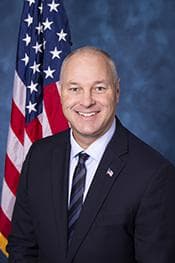
Pete Stauber
Republican Representative
Minnesota
Cosponsors (132)
Dusty Johnson (Republican)Doug LaMalfa (Republican)Diana Harshbarger (Republican)David Schweikert (Republican)Chris Stewart (Republican)Michael C. Burgess (Republican)Steve Chabot (Republican)Bob Gibbs (Republican)John Katko (Republican)Frank D. Lucas (Republican)Elise M. Stefanik (Republican)Markwayne Mullin (Republican)Trent Kelly (Republican)John R. Carter (Republican)Eric A. "Rick" Crawford (Republican)Jake LaTurner (Republican)Tim Burchett (Republican)Mike Johnson (Republican)Guy Reschenthaler (Republican)Jim Hagedorn (Republican)Ashley Hinson (Republican)Don Young (Republican)Brett Guthrie (Republican)Mike Garcia (Republican)Steve Stivers (Republican)Steve Womack (Republican)Gregory F. Murphy (Republican)Jefferson Van Drew (Republican)Scott Franklin (Republican)Rick W. Allen (Republican)Robert J. Wittman (Republican)Darin LaHood (Republican)Kevin Brady (Republican)Glenn Thompson (Republican)Stephanie I. Bice (Republican)Claudia Tenney (Republican)Brad R. Wenstrup (Republican)Mariannette Miller-Meeks (Republican)Jackie Walorski (Republican)Young Kim (Republican)William R. Timmons (Republican)Pete Sessions (Republican)David Rouzer (Republican)John R. Curtis (Republican)Earl L. "Buddy" Carter (Republican)Michael Waltz (Republican)Ken Calvert (Republican)J. French Hill (Republican)David B. McKinley (Republican)Dan Newhouse (Republican)Lloyd Smucker (Republican)Barry Loudermilk (Republican)Gus M. Bilirakis (Republican)Steve Scalise (Republican)Daniel Meuser (Republican)Don Bacon (Republican)Andy Barr (Republican)Mario Diaz-Balart (Republican)Christopher H. Smith (Republican)James R. Baird (Republican)Darrell Issa (Republican)David P. Joyce (Republican)Fred Upton (Republican)Carol D. Miller (Republican)Joe Wilson (Republican)Doug Lamborn (Republican)Pat Fallon (Republican)Liz Cheney (Republican)Ann Wagner (Republican)Rodney Davis (Republican)Mike Kelly (Republican)Tom Rice (Republican)Richard Hudson (Republican)Roger Williams (Republican)John Joyce (Republican)Kelly Armstrong (Republican)Cliff Bentz (Republican)Ron Estes (Republican)Troy E. Nehls (Republican)Blake D. Moore (Republican)John R. Moolenaar (Republican)Charles J. "Chuck" Fleischmann (Republican)Austin Scott (Republican)James Comer (Republican)Daniel Webster (Republican)August Pfluger (Republican)Mike Gallagher (Republican)Larry Bucshon (Republican)Byron Donalds (Republican)Anthony Gonzalez (Republican)Michael T. McCaul (Republican)Mark E. Amodei (Republican)Garret Graves (Republican)Mike Bost (Republican)David G. Valadao (Republican)Michael R. Turner (Republican)Michelle Steel (Republican)Ron Wright (Republican)Debbie Lesko (Republican)Jeff Fortenberry (Republican)Kevin McCarthy (Republican)Adam Kinzinger (Republican)Vicky Hartzler (Republican)Tom Emmer (Republican)Dan Crenshaw (Republican)Brian K. Fitzpatrick (Republican)Bill Huizenga (Republican)Tom Reed (Republican)Jay Obernolte (Republican)Randy Feenstra (Republican)Robert E. Latta (Republican)Kevin Hern (Republican)Bill Posey (Republican)Burgess Owens (Republican)Randy K. Sr. Weber (Republican)Ben Cline (Republican)Greg Pence (Republican)Virginia Foxx (Republican)Jenniffer González-Colón (Republican)Ralph Norman (Republican)Harold Rogers (Republican)Cathy McMorris Rodgers (Republican)Jack Bergman (Republican)Tracey Mann (Republican)Bill Johnson (Republican)Jaime Herrera Beutler (Republican)Robert B. Aderholt (Republican)Troy Balderson (Republican)Bryan Steil (Republican)Fred Keller (Republican)Michael Guest (Republican)Nicole Malliotakis (Republican)
Committee on House Administration, Crime and Federal Government Surveillance Subcommittee, Judiciary Committee, Budget Committee
- Introduced
- In Committee
- On Floor
- Passed Chamber
- Enacted
Just and Unifying Solutions To Invigorate Communities Everywhere Act of 2021 or the JUSTICE Act This bill addresses policies and issues regarding policing practices and law enforcement accountability. The bill funds state and local grants, incentivizes state and local reporting on the use of certain policing practices, creates new federal offenses for certain misconduct, and establishes best practices and training requirements. The bill funds state and local grants, including to support the use of body-worn cameras, to implement information sharing systems for disciplinary records of law enforcement officers, and to prohibit officers from engaging in sexual acts under color of the law. Further, it requires state and local governments that receive grants under the Edward Byrne Memorial Justice Assistance Grant program to report information related to use-of-force incidents and the use of no-knock warrants. At the federal level, the bill establishes new criminal offenses related to falsifying police reports and engaging in sexual acts under color of law. The bill directs the Department of Justice to develop training on de-escalation tactics, behavioral health crises, alternatives to the use of force, and the duty to intervene when another officer uses excessive force. Finally, the bill establishes and funds the National Criminal Justice Commission. Among other tasks, the commission must develop best practices for policing tactics and procedures.
View Full TextSuggested Questions
Get AI-generated questions to help you understand this bill better
Timeline
Introduced in House
Referred to the Committee on the Judiciary, and in addition to the Committees on House Administration, and the Budget, for a period to be subsequently determined by the Speaker, in each case for consideration of such provisions as fall within the jurisdiction of the committee concerned.
Referred to the Subcommittee on Crime, Terrorism, and Homeland Security.
Crime and Law Enforcement
Advisory bodiesAppropriationsAssault and harassment offensesCongressional oversightCrime preventionCriminal investigation, prosecution, interrogationCriminal justice information and recordsCriminal procedure and sentencingDepartment of JusticeDetention of personsDisability and paralysisDrug, alcohol, tobacco useDue process and equal protectionEmployee hiringEmployee performanceEmployment and training programsEvidence and witnessesExecutive agency funding and structureFirearms and explosivesFraud offenses and financial crimesGovernment employee pay, benefits, personnel managementGovernment information and archivesGovernment studies and investigationsHate crimesHomelessness and emergency shelterJudicial procedure and administrationLaw enforcement administration and fundingLaw enforcement officersMental healthMuseums, exhibitions, cultural centersPerformance measurementPersonnel recordsPhotography and imagingPublic contracts and procurementRacial and ethnic relationsReligionSex, gender, sexual orientation discriminationSex offensesState and local financeState and local government operationsViolent crime
JUSTICE Act
USA117th CongressHR-677| House
| Updated: 3/22/2021
Just and Unifying Solutions To Invigorate Communities Everywhere Act of 2021 or the JUSTICE Act This bill addresses policies and issues regarding policing practices and law enforcement accountability. The bill funds state and local grants, incentivizes state and local reporting on the use of certain policing practices, creates new federal offenses for certain misconduct, and establishes best practices and training requirements. The bill funds state and local grants, including to support the use of body-worn cameras, to implement information sharing systems for disciplinary records of law enforcement officers, and to prohibit officers from engaging in sexual acts under color of the law. Further, it requires state and local governments that receive grants under the Edward Byrne Memorial Justice Assistance Grant program to report information related to use-of-force incidents and the use of no-knock warrants. At the federal level, the bill establishes new criminal offenses related to falsifying police reports and engaging in sexual acts under color of law. The bill directs the Department of Justice to develop training on de-escalation tactics, behavioral health crises, alternatives to the use of force, and the duty to intervene when another officer uses excessive force. Finally, the bill establishes and funds the National Criminal Justice Commission. Among other tasks, the commission must develop best practices for policing tactics and procedures.
View Full TextSuggested Questions
Get AI-generated questions to help you understand this bill better
Timeline
Introduced in House
Referred to the Committee on the Judiciary, and in addition to the Committees on House Administration, and the Budget, for a period to be subsequently determined by the Speaker, in each case for consideration of such provisions as fall within the jurisdiction of the committee concerned.
Referred to the Subcommittee on Crime, Terrorism, and Homeland Security.
Pete Stauber
Republican Representative
Minnesota
Cosponsors (132)
Dusty Johnson (Republican)Doug LaMalfa (Republican)Diana Harshbarger (Republican)David Schweikert (Republican)Chris Stewart (Republican)Michael C. Burgess (Republican)Steve Chabot (Republican)Bob Gibbs (Republican)John Katko (Republican)Frank D. Lucas (Republican)Elise M. Stefanik (Republican)Markwayne Mullin (Republican)Trent Kelly (Republican)John R. Carter (Republican)Eric A. "Rick" Crawford (Republican)Jake LaTurner (Republican)Tim Burchett (Republican)Mike Johnson (Republican)Guy Reschenthaler (Republican)Jim Hagedorn (Republican)Ashley Hinson (Republican)Don Young (Republican)Brett Guthrie (Republican)Mike Garcia (Republican)Steve Stivers (Republican)Steve Womack (Republican)Gregory F. Murphy (Republican)Jefferson Van Drew (Republican)Scott Franklin (Republican)Rick W. Allen (Republican)Robert J. Wittman (Republican)Darin LaHood (Republican)Kevin Brady (Republican)Glenn Thompson (Republican)Stephanie I. Bice (Republican)Claudia Tenney (Republican)Brad R. Wenstrup (Republican)Mariannette Miller-Meeks (Republican)Jackie Walorski (Republican)Young Kim (Republican)William R. Timmons (Republican)Pete Sessions (Republican)David Rouzer (Republican)John R. Curtis (Republican)Earl L. "Buddy" Carter (Republican)Michael Waltz (Republican)Ken Calvert (Republican)J. French Hill (Republican)David B. McKinley (Republican)Dan Newhouse (Republican)Lloyd Smucker (Republican)Barry Loudermilk (Republican)Gus M. Bilirakis (Republican)Steve Scalise (Republican)Daniel Meuser (Republican)Don Bacon (Republican)Andy Barr (Republican)Mario Diaz-Balart (Republican)Christopher H. Smith (Republican)James R. Baird (Republican)Darrell Issa (Republican)David P. Joyce (Republican)Fred Upton (Republican)Carol D. Miller (Republican)Joe Wilson (Republican)Doug Lamborn (Republican)Pat Fallon (Republican)Liz Cheney (Republican)Ann Wagner (Republican)Rodney Davis (Republican)Mike Kelly (Republican)Tom Rice (Republican)Richard Hudson (Republican)Roger Williams (Republican)John Joyce (Republican)Kelly Armstrong (Republican)Cliff Bentz (Republican)Ron Estes (Republican)Troy E. Nehls (Republican)Blake D. Moore (Republican)John R. Moolenaar (Republican)Charles J. "Chuck" Fleischmann (Republican)Austin Scott (Republican)James Comer (Republican)Daniel Webster (Republican)August Pfluger (Republican)Mike Gallagher (Republican)Larry Bucshon (Republican)Byron Donalds (Republican)Anthony Gonzalez (Republican)Michael T. McCaul (Republican)Mark E. Amodei (Republican)Garret Graves (Republican)Mike Bost (Republican)David G. Valadao (Republican)Michael R. Turner (Republican)Michelle Steel (Republican)Ron Wright (Republican)Debbie Lesko (Republican)Jeff Fortenberry (Republican)Kevin McCarthy (Republican)Adam Kinzinger (Republican)Vicky Hartzler (Republican)Tom Emmer (Republican)Dan Crenshaw (Republican)Brian K. Fitzpatrick (Republican)Bill Huizenga (Republican)Tom Reed (Republican)Jay Obernolte (Republican)Randy Feenstra (Republican)Robert E. Latta (Republican)Kevin Hern (Republican)Bill Posey (Republican)Burgess Owens (Republican)Randy K. Sr. Weber (Republican)Ben Cline (Republican)Greg Pence (Republican)Virginia Foxx (Republican)Jenniffer González-Colón (Republican)Ralph Norman (Republican)Harold Rogers (Republican)Cathy McMorris Rodgers (Republican)Jack Bergman (Republican)Tracey Mann (Republican)Bill Johnson (Republican)Jaime Herrera Beutler (Republican)Robert B. Aderholt (Republican)Troy Balderson (Republican)Bryan Steil (Republican)Fred Keller (Republican)Michael Guest (Republican)Nicole Malliotakis (Republican)
Committee on House Administration, Crime and Federal Government Surveillance Subcommittee, Judiciary Committee, Budget Committee
Crime and Law Enforcement
Related Bills
- Introduced
- In Committee
- On Floor
- Passed Chamber
- Enacted
Advisory bodiesAppropriationsAssault and harassment offensesCongressional oversightCrime preventionCriminal investigation, prosecution, interrogationCriminal justice information and recordsCriminal procedure and sentencingDepartment of JusticeDetention of personsDisability and paralysisDrug, alcohol, tobacco useDue process and equal protectionEmployee hiringEmployee performanceEmployment and training programsEvidence and witnessesExecutive agency funding and structureFirearms and explosivesFraud offenses and financial crimesGovernment employee pay, benefits, personnel managementGovernment information and archivesGovernment studies and investigationsHate crimesHomelessness and emergency shelterJudicial procedure and administrationLaw enforcement administration and fundingLaw enforcement officersMental healthMuseums, exhibitions, cultural centersPerformance measurementPersonnel recordsPhotography and imagingPublic contracts and procurementRacial and ethnic relationsReligionSex, gender, sexual orientation discriminationSex offensesState and local financeState and local government operationsViolent crime