Summer Barrow Prevention, Treatment, and Recovery Act
USA117th CongressHR-7234| House
| Updated: 3/29/2022
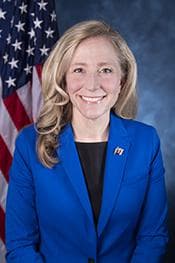
Abigail Davis Spanberger
Democratic Representative
Virginia
Cosponsors (3)
Health Subcommittee, Energy and Commerce Committee
- Introduced
- In Committee
- On Floor
- Passed Chamber
- Enacted
Summer Barrow Prevention, Treatment, and Recovery Act This bill reauthorizes through FY2027 and modifies multiple grants, programs, and other activities that support prevention and treatment of substance use disorders. Specifically, the bill addresses mental health and substance use disorder services for homeless populations; priority substance use prevention and treatment needs that are of regional and national significance; access to treatment in areas with high or increasing rates of opioid use; data collection, research, and other activities to prevent and respond to underage drinking; diversion of individuals with mental health illnesses from the criminal justice system to community-based services; increased access to emergency treatments for known or suspected opioid overdoses (e.g., naloxone), including by expanding the prescriptive authority of certain health care providers; implementation of comprehensive state-based plans to respond to opioid use disorders; and use of opioid alternatives for pain management in hospitals and emergency departments.
View Full TextSuggested Questions
Get AI-generated questions to help you understand this bill better
Timeline
Introduced in House
Referred to the House Committee on Energy and Commerce.
Referred to the Subcommittee on Health.
Health
Summer Barrow Prevention, Treatment, and Recovery Act
USA117th CongressHR-7234| House
| Updated: 3/29/2022
Summer Barrow Prevention, Treatment, and Recovery Act This bill reauthorizes through FY2027 and modifies multiple grants, programs, and other activities that support prevention and treatment of substance use disorders. Specifically, the bill addresses mental health and substance use disorder services for homeless populations; priority substance use prevention and treatment needs that are of regional and national significance; access to treatment in areas with high or increasing rates of opioid use; data collection, research, and other activities to prevent and respond to underage drinking; diversion of individuals with mental health illnesses from the criminal justice system to community-based services; increased access to emergency treatments for known or suspected opioid overdoses (e.g., naloxone), including by expanding the prescriptive authority of certain health care providers; implementation of comprehensive state-based plans to respond to opioid use disorders; and use of opioid alternatives for pain management in hospitals and emergency departments.
View Full TextSuggested Questions
Get AI-generated questions to help you understand this bill better
Timeline
Introduced in House
Referred to the House Committee on Energy and Commerce.
Referred to the Subcommittee on Health.
Abigail Davis Spanberger
Democratic Representative
Virginia
Cosponsors (3)
Health Subcommittee, Energy and Commerce Committee
Health
Related Bills
- Introduced
- In Committee
- On Floor
- Passed Chamber
- Enacted