Strengthen Kids’ Mental Health Now Act of 2022
USA117th CongressHR-7236| House
| Updated: 3/29/2022
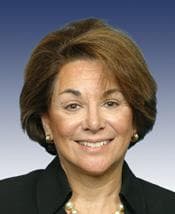
Anna G. Eshoo
Democratic Representative
California
Cosponsors (66)
Tom O'Halleran (Democratic)Raúl M. Grijalva (Democratic)Mark Pocan (Democratic)Karen Bass (Democratic)James R. Langevin (Democratic)Lisa Blunt Rochester (Democratic)Brian Higgins (Democratic)Chrissy Houlahan (Democratic)Darren Soto (Democratic)Derek Kilmer (Democratic)Carolyn B. Maloney (Democratic)Mondaire Jones (Democratic)Sanford D. Bishop (Democratic)Pete Aguilar (Democratic)Troy A. Carter (Democratic)J. Luis Correa (Democratic)Eric Swalwell (Democratic)Dina Titus (Democratic)Debbie Dingell (Democratic)Madeleine Dean (Democratic)Steve Cohen (Democratic)Tony Cárdenas (Democratic)Lucille Roybal-Allard (Democratic)Jake Auchincloss (Democratic)Ted Lieu (Democratic)Ro Khanna (Democratic)Maria Elvira Salazar (Republican)Greg Stanton (Democratic)Alan S. Lowenthal (Democratic)Daniel Meuser (Republican)Don Bacon (Republican)Stephen F. Lynch (Democratic)Mark DeSaulnier (Democratic)G. K. Butterfield (Democratic)Doris O. Matsui (Democratic)Jahana Hayes (Democratic)Raja Krishnamoorthi (Democratic)Theodore E. Deutch (Democratic)Josh Harder (Democratic)Pramila Jayapal (Democratic)Kathy Castor (Democratic)Eleanor Holmes Norton (Democratic)Bonnie Watson Coleman (Democratic)Mary Gay Scanlon (Democratic)Jamie Raskin (Democratic)Jim Costa (Democratic)Joe Neguse (Democratic)Mike Quigley (Democratic)Lois Frankel (Democratic)Diana DeGette (Democratic)Janice D. Schakowsky (Democratic)Andy Kim (Democratic)David G. Valadao (Republican)Brian K. Fitzpatrick (Republican)Lori Trahan (Democratic)Seth Moulton (Democratic)Suzanne Bonamici (Democratic)Lizzie Fletcher (Democratic)Josh Gottheimer (Democratic)Zoe Lofgren (Democratic)Nanette Diaz Barragán (Democratic)Jason Crow (Democratic)Debbie Wasserman Schultz (Democratic)Katie Porter (Democratic)Susan Wild (Democratic)Judy Chu (Democratic)
Health Subcommittee, Energy and Commerce Committee
- Introduced
- In Committee
- On Floor
- Passed Chamber
- Enacted
Strengthen Kids' Mental Health Now Act of 2022 This bill establishes several requirements to support the provision of behavioral health services under Medicaid and other programs, particularly for children. For example, the bill temporarily requires payment for pediatric mental, emotional, and behavioral health services under Medicaid to align with Medicare payments to providers. The bill provides for a 100% Federal Medical Assistance Percentage (i.e., federal matching rate) for any associated additional expenditures. The Centers for Medicare & Medicaid Services must issue guidance on how state Medicaid programs may expand the availability of telehealth services and mental, emotional, and behavioral health services. In addition, the Health Resources and Services Administration must award grants to support (1) pediatric behavioral health care integration in communities, (2) pediatric mental health and substance use disorder workforce training, and (3) the infrastructure of pediatric hospitals and rural health clinics with respect to behavioral health services.
View Full TextSuggested Questions
Get AI-generated questions to help you understand this bill better
Timeline
Introduced in House
Referred to the House Committee on Energy and Commerce.
Referred to the Subcommittee on Health.
Health
Strengthen Kids’ Mental Health Now Act of 2022
USA117th CongressHR-7236| House
| Updated: 3/29/2022
Strengthen Kids' Mental Health Now Act of 2022 This bill establishes several requirements to support the provision of behavioral health services under Medicaid and other programs, particularly for children. For example, the bill temporarily requires payment for pediatric mental, emotional, and behavioral health services under Medicaid to align with Medicare payments to providers. The bill provides for a 100% Federal Medical Assistance Percentage (i.e., federal matching rate) for any associated additional expenditures. The Centers for Medicare & Medicaid Services must issue guidance on how state Medicaid programs may expand the availability of telehealth services and mental, emotional, and behavioral health services. In addition, the Health Resources and Services Administration must award grants to support (1) pediatric behavioral health care integration in communities, (2) pediatric mental health and substance use disorder workforce training, and (3) the infrastructure of pediatric hospitals and rural health clinics with respect to behavioral health services.
View Full TextSuggested Questions
Get AI-generated questions to help you understand this bill better
Timeline
Introduced in House
Referred to the House Committee on Energy and Commerce.
Referred to the Subcommittee on Health.
Anna G. Eshoo
Democratic Representative
California
Cosponsors (66)
Tom O'Halleran (Democratic)Raúl M. Grijalva (Democratic)Mark Pocan (Democratic)Karen Bass (Democratic)James R. Langevin (Democratic)Lisa Blunt Rochester (Democratic)Brian Higgins (Democratic)Chrissy Houlahan (Democratic)Darren Soto (Democratic)Derek Kilmer (Democratic)Carolyn B. Maloney (Democratic)Mondaire Jones (Democratic)Sanford D. Bishop (Democratic)Pete Aguilar (Democratic)Troy A. Carter (Democratic)J. Luis Correa (Democratic)Eric Swalwell (Democratic)Dina Titus (Democratic)Debbie Dingell (Democratic)Madeleine Dean (Democratic)Steve Cohen (Democratic)Tony Cárdenas (Democratic)Lucille Roybal-Allard (Democratic)Jake Auchincloss (Democratic)Ted Lieu (Democratic)Ro Khanna (Democratic)Maria Elvira Salazar (Republican)Greg Stanton (Democratic)Alan S. Lowenthal (Democratic)Daniel Meuser (Republican)Don Bacon (Republican)Stephen F. Lynch (Democratic)Mark DeSaulnier (Democratic)G. K. Butterfield (Democratic)Doris O. Matsui (Democratic)Jahana Hayes (Democratic)Raja Krishnamoorthi (Democratic)Theodore E. Deutch (Democratic)Josh Harder (Democratic)Pramila Jayapal (Democratic)Kathy Castor (Democratic)Eleanor Holmes Norton (Democratic)Bonnie Watson Coleman (Democratic)Mary Gay Scanlon (Democratic)Jamie Raskin (Democratic)Jim Costa (Democratic)Joe Neguse (Democratic)Mike Quigley (Democratic)Lois Frankel (Democratic)Diana DeGette (Democratic)Janice D. Schakowsky (Democratic)Andy Kim (Democratic)David G. Valadao (Republican)Brian K. Fitzpatrick (Republican)Lori Trahan (Democratic)Seth Moulton (Democratic)Suzanne Bonamici (Democratic)Lizzie Fletcher (Democratic)Josh Gottheimer (Democratic)Zoe Lofgren (Democratic)Nanette Diaz Barragán (Democratic)Jason Crow (Democratic)Debbie Wasserman Schultz (Democratic)Katie Porter (Democratic)Susan Wild (Democratic)Judy Chu (Democratic)
Health Subcommittee, Energy and Commerce Committee
Health
Related Bills
- Introduced
- In Committee
- On Floor
- Passed Chamber
- Enacted