SHIP IT Act
USA117th CongressHR-7456| House
| Updated: 4/18/2022
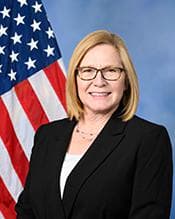
Michelle Fischbach
Republican Representative
Minnesota
Cosponsors (1)
Committees (11)
• Railroads, Pipelines, and Hazardous Materials Subcommittee• Homeland Security Committee• Transportation and Infrastructure Committee• Forestry and Horticulture Subcommittee• Ways and Means Committee• Agriculture Committee• Transportation and Maritime Security Subcommittee• Highways and Transit Subcommittee• Armed Services Committee• Coast Guard and Maritime Transportation Subcommittee• Natural Resources Committee
- Introduced
- In Committee
- On Floor
- Passed Chamber
- Enacted
Stopping Hindrances to Invigorate Ports and Increase Trade Act or the SHIP IT Act This bill temporarily waives various requirements and makes other changes to address congestion at U.S. ports. For example, the Federal Motor Carrier Safety Administration must waive the hours of service limits (i.e., the number of hours a driver may operate a truck or motor carrier in a set period of time) and minimum age requirements that apply to commercial driver's licenses for individuals transporting cargo directly to or from a U.S. port. Additionally, the Coast Guard may temporarily allow foreign-built, -owned, and -crewed vessels to transport cargo between U.S. ports and engage in certain ship-to-ship transfers of cargo. Current coastwise law, commonly known as the Jones Act, generally requires that vessels transporting cargo domestically be U.S.-built, -owned, and -crewed. The Department of Defense must (1) inventory its intermodal equipment (e.g., trailers and chassis used to transport shipping containers) to identify equipment available for loan to trucking companies to relieve congestion at U.S. ports, and (2) establish a process to allow trucking companies to request the loan of such equipment. The Maritime Administration and the Federal Maritime Commission must jointly convene a meeting to discuss the long-term feasibility of, and strategies for, using land or property under the jurisdiction of U.S. inland ports for the storage and transfer of cargo containers. The Government Accountability Office must submit to Congress a report describing the adoption of technology at U.S. ports as compared to foreign ports.
View Full TextSuggested Questions
Get AI-generated questions to help you understand this bill better
Timeline
Introduced in House
Referred to the Committee on Transportation and Infrastructure, and in addition to the Committees on Homeland Security, Agriculture, Natural Resources, Armed Services, and Ways and Means, for a period to be subsequently determined by the Speaker, in each case for consideration of such provisions as fall within the jurisdiction of the committee concerned.
Referred to the Subcommittee on Railroads, Pipelines, and Hazardous Materials.
Referred to the Subcommittee on Coast Guard and Maritime Transportation.
Referred to the Subcommittee on Transportation and Maritime Security.
Referred to the Subcommittee on Highways and Transit.
Referred to the Subcommittee on Conservation and Forestry.
Transportation and Public Works
SHIP IT Act
USA117th CongressHR-7456| House
| Updated: 4/18/2022
Stopping Hindrances to Invigorate Ports and Increase Trade Act or the SHIP IT Act This bill temporarily waives various requirements and makes other changes to address congestion at U.S. ports. For example, the Federal Motor Carrier Safety Administration must waive the hours of service limits (i.e., the number of hours a driver may operate a truck or motor carrier in a set period of time) and minimum age requirements that apply to commercial driver's licenses for individuals transporting cargo directly to or from a U.S. port. Additionally, the Coast Guard may temporarily allow foreign-built, -owned, and -crewed vessels to transport cargo between U.S. ports and engage in certain ship-to-ship transfers of cargo. Current coastwise law, commonly known as the Jones Act, generally requires that vessels transporting cargo domestically be U.S.-built, -owned, and -crewed. The Department of Defense must (1) inventory its intermodal equipment (e.g., trailers and chassis used to transport shipping containers) to identify equipment available for loan to trucking companies to relieve congestion at U.S. ports, and (2) establish a process to allow trucking companies to request the loan of such equipment. The Maritime Administration and the Federal Maritime Commission must jointly convene a meeting to discuss the long-term feasibility of, and strategies for, using land or property under the jurisdiction of U.S. inland ports for the storage and transfer of cargo containers. The Government Accountability Office must submit to Congress a report describing the adoption of technology at U.S. ports as compared to foreign ports.
View Full TextSuggested Questions
Get AI-generated questions to help you understand this bill better
Timeline
Introduced in House
Referred to the Committee on Transportation and Infrastructure, and in addition to the Committees on Homeland Security, Agriculture, Natural Resources, Armed Services, and Ways and Means, for a period to be subsequently determined by the Speaker, in each case for consideration of such provisions as fall within the jurisdiction of the committee concerned.
Referred to the Subcommittee on Railroads, Pipelines, and Hazardous Materials.
Referred to the Subcommittee on Coast Guard and Maritime Transportation.
Referred to the Subcommittee on Transportation and Maritime Security.
Referred to the Subcommittee on Highways and Transit.
Referred to the Subcommittee on Conservation and Forestry.
Michelle Fischbach
Republican Representative
Minnesota
Cosponsors (1)
Committees (11)
• Railroads, Pipelines, and Hazardous Materials Subcommittee• Homeland Security Committee• Transportation and Infrastructure Committee• Forestry and Horticulture Subcommittee• Ways and Means Committee• Agriculture Committee• Transportation and Maritime Security Subcommittee• Highways and Transit Subcommittee• Armed Services Committee• Coast Guard and Maritime Transportation Subcommittee• Natural Resources Committee
Transportation and Public Works
- Introduced
- In Committee
- On Floor
- Passed Chamber
- Enacted