Cost of Mental Illness Act of 2022
USA117th CongressHR-7483| House
| Updated: 4/8/2022
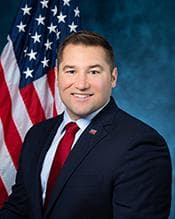
Guy Reschenthaler
Republican Representative
Pennsylvania
Cosponsors (4)
Health Subcommittee, Energy and Commerce Committee
- Introduced
- In Committee
- On Floor
- Passed Chamber
- Enacted
Cost of Mental Illness Act of 2022 This bill requires a study on the direct and indirect costs associated with serious mental illness (i.e., a mental, behavioral, or emotional disorder resulting in a serious, functional impairment that substantially interferes with major life activities). It also requires periodic surveillance surveys of individuals with schizophrenia. Specifically, the Department of Health and Human Services (HHS) must study health care, housing, public safety, and other costs incurred by federal, state, tribal, and local governments and nongovernmental entities to address serious mental illness. HHS must consult with the Department of Justice, the Department of Labor, and the Department of Housing and Urban Development on the study. Additionally, the Substance Abuse and Mental Health Services Administration (SAMHSA) must periodically conduct a surveillance survey to collect information about individuals with schizophrenia, such as their demographic characteristics and health status. SAMHSA must coordinate with the Centers for Disease Control and Prevention, the National Institute of Mental Health, and other federal agencies on the survey. SAMHSA may also award grants or other assistance to nonprofits for convening stakeholder meetings and other activities to support the survey.
View Full TextSuggested Questions
Get AI-generated questions to help you understand this bill better
Timeline
Introduced in House
Referred to the House Committee on Energy and Commerce.
Referred to the Subcommittee on Health.
Health
Cost of Mental Illness Act of 2022
USA117th CongressHR-7483| House
| Updated: 4/8/2022
Cost of Mental Illness Act of 2022 This bill requires a study on the direct and indirect costs associated with serious mental illness (i.e., a mental, behavioral, or emotional disorder resulting in a serious, functional impairment that substantially interferes with major life activities). It also requires periodic surveillance surveys of individuals with schizophrenia. Specifically, the Department of Health and Human Services (HHS) must study health care, housing, public safety, and other costs incurred by federal, state, tribal, and local governments and nongovernmental entities to address serious mental illness. HHS must consult with the Department of Justice, the Department of Labor, and the Department of Housing and Urban Development on the study. Additionally, the Substance Abuse and Mental Health Services Administration (SAMHSA) must periodically conduct a surveillance survey to collect information about individuals with schizophrenia, such as their demographic characteristics and health status. SAMHSA must coordinate with the Centers for Disease Control and Prevention, the National Institute of Mental Health, and other federal agencies on the survey. SAMHSA may also award grants or other assistance to nonprofits for convening stakeholder meetings and other activities to support the survey.
View Full TextSuggested Questions
Get AI-generated questions to help you understand this bill better
Timeline
Introduced in House
Referred to the House Committee on Energy and Commerce.
Referred to the Subcommittee on Health.
Guy Reschenthaler
Republican Representative
Pennsylvania
Cosponsors (4)
Health Subcommittee, Energy and Commerce Committee
Health
- Introduced
- In Committee
- On Floor
- Passed Chamber
- Enacted