Civic Duty to Vote Act
USA117th CongressHR-7536| House
| Updated: 4/18/2022
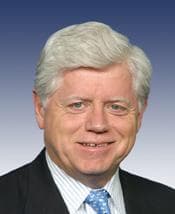
John B. Larson
Democratic Representative
Connecticut
Committee on House Administration
- Introduced
- In Committee
- On Floor
- Passed Chamber
- Enacted
Civic Duty to Vote Act This bill requires each eligible citizen to vote in each regularly scheduled general election for federal office. The bill establishes a $20 civil monetary penalty for failure to vote. In the case of an individual's first violation of the voting requirement, the penalty shall not apply and the appropriate state election official must notify the individual that a penalty will be assessed for any subsequent violation. Further, the bill outlines an additional exception and waiver to the assessment of a penalty. The penalty shall not apply in instances when the individual certifies to the appropriate state election official that the individual has a valid and sufficient reason for not voting, or the state election official grants a waiver to an individual who either certifies that the individual cannot afford to pay the penalty or attests that the individual will complete one hour of community service. The bill prohibits state election officials from sharing information with law enforcement agencies regarding an individual's certification or waiver of the penalty. Further, the bill prohibits law enforcement agencies from using this information to subject the individual to additional penalties or criminal investigation. The bill also requires the Election Assistance Commission to (1) develop and publish best practices for states to implement this bill's requirements, and (2) make grants to states to implement this bill's requirements.
View Full TextSuggested Questions
Get AI-generated questions to help you understand this bill better
Timeline
Introduced in House
Referred to the House Committee on House Administration.
Government Operations and Politics
Civic Duty to Vote Act
USA117th CongressHR-7536| House
| Updated: 4/18/2022
Civic Duty to Vote Act This bill requires each eligible citizen to vote in each regularly scheduled general election for federal office. The bill establishes a $20 civil monetary penalty for failure to vote. In the case of an individual's first violation of the voting requirement, the penalty shall not apply and the appropriate state election official must notify the individual that a penalty will be assessed for any subsequent violation. Further, the bill outlines an additional exception and waiver to the assessment of a penalty. The penalty shall not apply in instances when the individual certifies to the appropriate state election official that the individual has a valid and sufficient reason for not voting, or the state election official grants a waiver to an individual who either certifies that the individual cannot afford to pay the penalty or attests that the individual will complete one hour of community service. The bill prohibits state election officials from sharing information with law enforcement agencies regarding an individual's certification or waiver of the penalty. Further, the bill prohibits law enforcement agencies from using this information to subject the individual to additional penalties or criminal investigation. The bill also requires the Election Assistance Commission to (1) develop and publish best practices for states to implement this bill's requirements, and (2) make grants to states to implement this bill's requirements.
View Full TextSuggested Questions
Get AI-generated questions to help you understand this bill better
Timeline
Introduced in House
Referred to the House Committee on House Administration.
John B. Larson
Democratic Representative
Connecticut
Committee on House Administration
Government Operations and Politics
- Introduced
- In Committee
- On Floor
- Passed Chamber
- Enacted