Presidential Election Reform Act
USA117th CongressHR-8873| House
| Updated: 9/22/2022
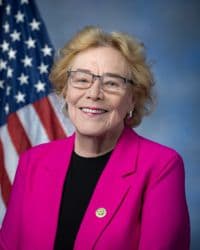
Zoe Lofgren
Democratic Representative
California
Cosponsors (1)
Committee on House Administration, Rules Committee
- Introduced
- In Committee
- On Floor
- Passed Chamber
- Enacted
Presidential Election Reform Act This bill revises the process of casting and counting electoral votes for presidential elections. The bill specifies that the choice of electors must occur in accordance with the laws of the state enacted prior to election day. Next, the bill specifies that the voting time for a state's presidential election may only be extended due to a catastrophic event. Catastrophic event means a major natural disaster, act of terrorism, or widespread power outage if it (1) prevents a substantial portion of a state's electorate from casting a ballot on election day, or (2) causes a substantial number of ballots already cast in a state to be destroyed or rendered unreadable. Additionally, the bill requires each state's governor to certify the appointment of electors for the state. Further, the bill provides for expedited judicial review for an action brought by an aggrieved presidential or vice-presidential candidate with respect to the issuance or transmission of a certificate of appointment. The bill revises the framework for the joint session of Congress to count electoral votes and make a formal declaration of which candidates have been elected President and Vice President. Among other changes, the bill (1) specifies that the role of the presiding officer (the Vice President or, in the absence of the Vice President, the President pro tempore) during the joint session shall be ministerial in nature, and (2) raises the objection threshold in Congress to at least one-third of both the House of Representatives and the Senate.
Suggested Questions
Get AI-generated questions to help you understand this bill better
Timeline
Introduced in House
Referred to the Committee on House Administration, and in addition to the Committee on Rules, for a period to be subsequently determined by the Speaker, in each case for consideration of such provisions as fall within the jurisdiction of the committee concerned.
Rules Committee Resolution H. Res. 1372 Reported to House. Rule provides for consideration of H.R. 8873 with 1 hour of general debate. Resolution also provides one motion to recommit.
Rule H. Res. 1372 passed House.
Considered under the provisions of rule H. Res. 1372. (consideration: CR H8032-8048)
Rule provides for consideration of H.R. 8873 with 1 hour of general debate. Resolution also provides one motion to recommit.
DEBATE - The House proceeded with one hour of debate on H.R. 8873.
The previous question was ordered pursuant to the rule.
On passage Passed by the Yeas and Nays: 229 - 203 (Roll No. 449). (text: CR H8032-8036)
View VoteMotion to reconsider laid on the table Agreed to without objection.
Received in the Senate.
Government Operations and Politics
Civil actions and liabilityCongressional officers and employeesCongressional operations and organizationCongressional oversightConstitution and constitutional amendmentsElections, voting, political campaign regulationFederal district courtsFederal officialsGovernment information and archivesIntergovernmental relationsLegislative rules and procedureNatural disastersPresidents and presidential powers, Vice PresidentsState and local government operationsSupreme CourtTerrorismVoting rights
Presidential Election Reform Act
USA117th CongressHR-8873| House
| Updated: 9/22/2022
Presidential Election Reform Act This bill revises the process of casting and counting electoral votes for presidential elections. The bill specifies that the choice of electors must occur in accordance with the laws of the state enacted prior to election day. Next, the bill specifies that the voting time for a state's presidential election may only be extended due to a catastrophic event. Catastrophic event means a major natural disaster, act of terrorism, or widespread power outage if it (1) prevents a substantial portion of a state's electorate from casting a ballot on election day, or (2) causes a substantial number of ballots already cast in a state to be destroyed or rendered unreadable. Additionally, the bill requires each state's governor to certify the appointment of electors for the state. Further, the bill provides for expedited judicial review for an action brought by an aggrieved presidential or vice-presidential candidate with respect to the issuance or transmission of a certificate of appointment. The bill revises the framework for the joint session of Congress to count electoral votes and make a formal declaration of which candidates have been elected President and Vice President. Among other changes, the bill (1) specifies that the role of the presiding officer (the Vice President or, in the absence of the Vice President, the President pro tempore) during the joint session shall be ministerial in nature, and (2) raises the objection threshold in Congress to at least one-third of both the House of Representatives and the Senate.
Suggested Questions
Get AI-generated questions to help you understand this bill better
Timeline
Introduced in House
Referred to the Committee on House Administration, and in addition to the Committee on Rules, for a period to be subsequently determined by the Speaker, in each case for consideration of such provisions as fall within the jurisdiction of the committee concerned.
Rules Committee Resolution H. Res. 1372 Reported to House. Rule provides for consideration of H.R. 8873 with 1 hour of general debate. Resolution also provides one motion to recommit.
Rule H. Res. 1372 passed House.
Considered under the provisions of rule H. Res. 1372. (consideration: CR H8032-8048)
Rule provides for consideration of H.R. 8873 with 1 hour of general debate. Resolution also provides one motion to recommit.
DEBATE - The House proceeded with one hour of debate on H.R. 8873.
The previous question was ordered pursuant to the rule.
On passage Passed by the Yeas and Nays: 229 - 203 (Roll No. 449). (text: CR H8032-8036)
View VoteMotion to reconsider laid on the table Agreed to without objection.
Received in the Senate.
Zoe Lofgren
Democratic Representative
California
Cosponsors (1)
Committee on House Administration, Rules Committee
Government Operations and Politics
- Introduced
- In Committee
- On Floor
- Passed Chamber
- Enacted
Civil actions and liabilityCongressional officers and employeesCongressional operations and organizationCongressional oversightConstitution and constitutional amendmentsElections, voting, political campaign regulationFederal district courtsFederal officialsGovernment information and archivesIntergovernmental relationsLegislative rules and procedureNatural disastersPresidents and presidential powers, Vice PresidentsState and local government operationsSupreme CourtTerrorismVoting rights