Reconnecting Communities Act
USA117th CongressS-1202| Senate
| Updated: 12/15/2021
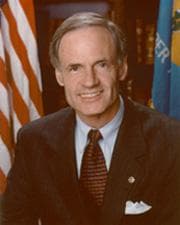
Thomas R. Carper
Democratic Senator
Delaware
Cosponsors (8)
Environment and Public Works Committee
- Introduced
- In Committee
- On Floor
- Passed Chamber
- Enacted
Reconnecting Communities Act This bill establishes a grant program to remove, retrofit, or otherwise address infrastructural barriers (e.g., highways, railways, or viaducts) that impede mobility and connectivity, with a particular focus on communities of color and low-income communities. Under this program, the Department of Transportation (DOT) must award three types of grants: community engagement, education, and capacity-building grants to educate and involve community members in transportation and economic development planning; planning and feasibility study grants to develop designs, conduct environmental reviews, and carry out other preliminary activities required to remove, retrofit, or mitigate an infrastructural barrier; and capital construction grants to remove, retrofit, or mitigate an infrastructure barrier. DOT must award the community engagement, education, and capacity-building grants and the planning and feasibility study grants to state, tribal, and local governments; metropolitan planning organizations; and nonprofits. An eligible entity may apply for and receive funding from more than one type of grant. DOT must award the capital construction grants to the owner of an infrastructure barrier. The owner may, if applicable, partner with other eligible entities.
View Full TextSuggested Questions
Get AI-generated questions to help you understand this bill better
Timeline
Introduced in Senate
Read twice and referred to the Committee on Environment and Public Works. (Sponsor introductory remarks on measure: CR S2036)
Committee on Homeland Security and Governmental Affairs. Ordered to be reported favorably.
Transportation and Public Works
Advisory bodiesAir qualityCommunity life and organizationCongressional oversightEconomic developmentEmployee hiringEnvironmental assessment, monitoring, researchEnvironmental healthGovernment studies and investigationsInfrastructure developmentLand use and conservationMinority and disadvantaged businessesNoise pollutionPedestrians and bicyclingPoverty and welfare assistancePublic contracts and procurementRailroadsRegional and metropolitan planningRoads and highwaysTransportation costsTransportation programs fundingTransportation safety and security
Reconnecting Communities Act
USA117th CongressS-1202| Senate
| Updated: 12/15/2021
Reconnecting Communities Act This bill establishes a grant program to remove, retrofit, or otherwise address infrastructural barriers (e.g., highways, railways, or viaducts) that impede mobility and connectivity, with a particular focus on communities of color and low-income communities. Under this program, the Department of Transportation (DOT) must award three types of grants: community engagement, education, and capacity-building grants to educate and involve community members in transportation and economic development planning; planning and feasibility study grants to develop designs, conduct environmental reviews, and carry out other preliminary activities required to remove, retrofit, or mitigate an infrastructural barrier; and capital construction grants to remove, retrofit, or mitigate an infrastructure barrier. DOT must award the community engagement, education, and capacity-building grants and the planning and feasibility study grants to state, tribal, and local governments; metropolitan planning organizations; and nonprofits. An eligible entity may apply for and receive funding from more than one type of grant. DOT must award the capital construction grants to the owner of an infrastructure barrier. The owner may, if applicable, partner with other eligible entities.
View Full TextSuggested Questions
Get AI-generated questions to help you understand this bill better
Timeline
Introduced in Senate
Read twice and referred to the Committee on Environment and Public Works. (Sponsor introductory remarks on measure: CR S2036)
Committee on Homeland Security and Governmental Affairs. Ordered to be reported favorably.
Thomas R. Carper
Democratic Senator
Delaware
Cosponsors (8)
Environment and Public Works Committee
Transportation and Public Works
Related Bills
- Introduced
- In Committee
- On Floor
- Passed Chamber
- Enacted
Advisory bodiesAir qualityCommunity life and organizationCongressional oversightEconomic developmentEmployee hiringEnvironmental assessment, monitoring, researchEnvironmental healthGovernment studies and investigationsInfrastructure developmentLand use and conservationMinority and disadvantaged businessesNoise pollutionPedestrians and bicyclingPoverty and welfare assistancePublic contracts and procurementRailroadsRegional and metropolitan planningRoads and highwaysTransportation costsTransportation programs fundingTransportation safety and security