Federal Home Loan Banks' Mission Implementation Act
USA117th CongressS-1684| Senate
| Updated: 5/18/2021
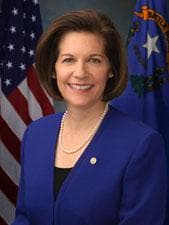
Catherine Cortez Masto
Democratic Senator
Nevada
Cosponsors (4)
Finance Committee
- Introduced
- In Committee
- On Floor
- Passed Chamber
- Enacted
Federal Home Loan Banks' Mission Implementation Act This bill generally expands the ability of Federal Home Loan Banks (FHLBs) to provide advances and grants for activities related to small businesses, affordable housing, and community development. The 11 regional FHLBs serve as government-sponsored enterprises to support mortgage lending and related community investment through advances to member financial institutions. These advances are secured by assets such as mortgages and other loans. Specifically, the bill allows FHLBs to provide advances that are secured by (1) loans guaranteed by the Small Business Administration, and (2) certain loans made in response to the economic impact of the COVID-19 pandemic and guaranteed or insured by the federal government. The bill also expands the availability of advances to certain community development financial institutions and credit unions. It also gives the Federal Housing Finance Agency discretion in setting the average asset maximum for certain community financial institutions to qualify for an advance. However, this maximum must not be more than $10 billion. Currently, a community financial institution must have less than $1 billion in average total assets to qualify. Furthermore, the bill exempts from taxation for two years after the conclusion of the COVID-19 emergency period certain municipal bonds guaranteed by an FHLB. The bill also increases the percentage of earnings FHLBs must annually contribute to the Affordable Housing Program and sets aside a specified percentage to benefit tribes under this program.
View Full TextSuggested Questions
Get AI-generated questions to help you understand this bill better
Timeline
Introduced in Senate
Read twice and referred to the Committee on Finance.
Finance and Financial Sector
Cardiovascular and respiratory healthChild care and developmentCommunity life and organizationCorrectional facilities and imprisonmentEconomic developmentEmergency medical services and trauma careGovernment corporations and government-sponsored enterprisesGovernment lending and loan guaranteesHousing and community development fundingHousing finance and home ownershipHousing supply and affordabilityInfectious and parasitic diseasesInfrastructure developmentLow- and moderate-income housingRural conditions and developmentSecuritiesSmall business
Federal Home Loan Banks' Mission Implementation Act
USA117th CongressS-1684| Senate
| Updated: 5/18/2021
Federal Home Loan Banks' Mission Implementation Act This bill generally expands the ability of Federal Home Loan Banks (FHLBs) to provide advances and grants for activities related to small businesses, affordable housing, and community development. The 11 regional FHLBs serve as government-sponsored enterprises to support mortgage lending and related community investment through advances to member financial institutions. These advances are secured by assets such as mortgages and other loans. Specifically, the bill allows FHLBs to provide advances that are secured by (1) loans guaranteed by the Small Business Administration, and (2) certain loans made in response to the economic impact of the COVID-19 pandemic and guaranteed or insured by the federal government. The bill also expands the availability of advances to certain community development financial institutions and credit unions. It also gives the Federal Housing Finance Agency discretion in setting the average asset maximum for certain community financial institutions to qualify for an advance. However, this maximum must not be more than $10 billion. Currently, a community financial institution must have less than $1 billion in average total assets to qualify. Furthermore, the bill exempts from taxation for two years after the conclusion of the COVID-19 emergency period certain municipal bonds guaranteed by an FHLB. The bill also increases the percentage of earnings FHLBs must annually contribute to the Affordable Housing Program and sets aside a specified percentage to benefit tribes under this program.
View Full TextSuggested Questions
Get AI-generated questions to help you understand this bill better
Timeline
Introduced in Senate
Read twice and referred to the Committee on Finance.
Catherine Cortez Masto
Democratic Senator
Nevada
Cosponsors (4)
Finance Committee
Finance and Financial Sector
- Introduced
- In Committee
- On Floor
- Passed Chamber
- Enacted
Cardiovascular and respiratory healthChild care and developmentCommunity life and organizationCorrectional facilities and imprisonmentEconomic developmentEmergency medical services and trauma careGovernment corporations and government-sponsored enterprisesGovernment lending and loan guaranteesHousing and community development fundingHousing finance and home ownershipHousing supply and affordabilityInfectious and parasitic diseasesInfrastructure developmentLow- and moderate-income housingRural conditions and developmentSecuritiesSmall business