Budgeting for Opioid Addiction Treatment Act
USA117th CongressS-1723| Senate
| Updated: 5/20/2021
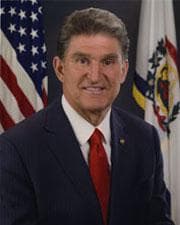
Joe Manchin
Independent Senator
West Virginia
Cosponsors (10)
Finance Committee
- Introduced
- In Committee
- On Floor
- Passed Chamber
- Enacted
Budgeting for Opioid Addiction Treatment Act This bill imposes an excise tax on the sale of any active opioid. The tax is equal to one cent per milligram so sold and it is imposed on the manufacturer, producer, or importer of the opioid. The term active opioid means any controlled substance that is opium, an opiate, or any derivative thereof. The bill provides block grants for substance abuse treatment programs. The Department of Health and Human Services must report on the impact of this bill on (1) the retail cost of active opioids; (2) patient access to such opioids, particularly cancer and hospice patients; and (3) the use of tax revenues to improve substance abuse treatment efforts. The report must also make suggestions for improving access to opioids for cancer and hospice patients and substance abuse treatment efforts.
View Full TextSuggested Questions
Get AI-generated questions to help you understand this bill better
Timeline
Introduced in Senate
Read twice and referred to the Committee on Finance.
Health
CancerCongressional oversightDrug, alcohol, tobacco useDrug trafficking and controlled substancesHealth care coverage and accessHealth programs administration and fundingHealth promotion and preventive careLong-term, rehabilitative, and terminal carePrescription drugsSales and excise taxes
Budgeting for Opioid Addiction Treatment Act
USA117th CongressS-1723| Senate
| Updated: 5/20/2021
Budgeting for Opioid Addiction Treatment Act This bill imposes an excise tax on the sale of any active opioid. The tax is equal to one cent per milligram so sold and it is imposed on the manufacturer, producer, or importer of the opioid. The term active opioid means any controlled substance that is opium, an opiate, or any derivative thereof. The bill provides block grants for substance abuse treatment programs. The Department of Health and Human Services must report on the impact of this bill on (1) the retail cost of active opioids; (2) patient access to such opioids, particularly cancer and hospice patients; and (3) the use of tax revenues to improve substance abuse treatment efforts. The report must also make suggestions for improving access to opioids for cancer and hospice patients and substance abuse treatment efforts.
View Full TextSuggested Questions
Get AI-generated questions to help you understand this bill better
Timeline
Introduced in Senate
Read twice and referred to the Committee on Finance.
Joe Manchin
Independent Senator
West Virginia
Cosponsors (10)
Finance Committee
Health
- Introduced
- In Committee
- On Floor
- Passed Chamber
- Enacted
CancerCongressional oversightDrug, alcohol, tobacco useDrug trafficking and controlled substancesHealth care coverage and accessHealth programs administration and fundingHealth promotion and preventive careLong-term, rehabilitative, and terminal carePrescription drugsSales and excise taxes