Relaunching America’s Workforce Act
USA117th CongressS-200| Senate
| Updated: 2/3/2021
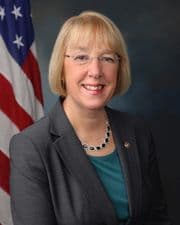
Patty Murray
Democratic Senator
Washington
Cosponsors (9)
Health, Education, Labor, and Pensions Committee
- Introduced
- In Committee
- On Floor
- Passed Chamber
- Enacted
Relaunching America's Workforce Act This bill establishes several grant programs to address employment, the workforce, and education access in response to the COVID-19 national emergency. The Department of Labor must provide grants in response to the COVID-19 national emergency to provide training and employment for dislocated, unemployed, and underemployed workers; support youth employment; establish workforce information systems improvements; provide reentry employment opportunities for justice system-involved youth or young adults, formerly incarcerated youths or adults, and former offenders; and create or expand apprenticeship programs. Programs directed towards assisting Native Americans and migrant and seasonal farmworkers may be extended. The Department of Education must provide grants to expand the capacity of adult education providers to prioritize serving adults with low-literacy or numeracy levels negatively impacted by the COVID-19 national emergency, and to improve or expand career and technical education programs and programs of study to respond to state and local needs as a result of the COVID-19 national emergency.
View Full TextSuggested Questions
Get AI-generated questions to help you understand this bill better
Timeline
Introduced in Senate
Read twice and referred to the Committee on Health, Education, Labor, and Pensions.
Labor and Employment
Adult education and literacyAgingAlaska Natives and HawaiiansCardiovascular and respiratory healthChild care and developmentChild healthCommunity life and organizationComputers and information technologyDisability assistanceDrug, alcohol, tobacco useEconomic developmentEconomic performance and conditionsEducational technology and distance educationEducation of the disadvantagedEducation programs fundingEmergency medical services and trauma careEmployment and training programsFood assistance and reliefFood industry and servicesHealth care costs and insuranceHealth care coverage and accessHealth personnelHigher educationHome and outpatient careIndian social and development programsInfectious and parasitic diseasesLabor-management relationsLicensing and registrationsManufacturingMental healthMigrant, seasonal, agricultural laborMilitary personnel and dependentsMinority educationMinority employmentNutrition and dietPerformance measurementPoverty and welfare assistancePublic-private cooperationRetail and wholesale tradesRural conditions and developmentState and local financeState and local government operationsStudent aid and college costsTeaching, teachers, curriculaTransportation costsTransportation employeesUnemploymentVeterans' education, employment, rehabilitationVocational and technical educationWomen's healthYouth employment and child labor
Relaunching America’s Workforce Act
USA117th CongressS-200| Senate
| Updated: 2/3/2021
Relaunching America's Workforce Act This bill establishes several grant programs to address employment, the workforce, and education access in response to the COVID-19 national emergency. The Department of Labor must provide grants in response to the COVID-19 national emergency to provide training and employment for dislocated, unemployed, and underemployed workers; support youth employment; establish workforce information systems improvements; provide reentry employment opportunities for justice system-involved youth or young adults, formerly incarcerated youths or adults, and former offenders; and create or expand apprenticeship programs. Programs directed towards assisting Native Americans and migrant and seasonal farmworkers may be extended. The Department of Education must provide grants to expand the capacity of adult education providers to prioritize serving adults with low-literacy or numeracy levels negatively impacted by the COVID-19 national emergency, and to improve or expand career and technical education programs and programs of study to respond to state and local needs as a result of the COVID-19 national emergency.
View Full TextSuggested Questions
Get AI-generated questions to help you understand this bill better
Timeline
Introduced in Senate
Read twice and referred to the Committee on Health, Education, Labor, and Pensions.
Patty Murray
Democratic Senator
Washington
Cosponsors (9)
Health, Education, Labor, and Pensions Committee
Labor and Employment
Related Bills
- Introduced
- In Committee
- On Floor
- Passed Chamber
- Enacted
Adult education and literacyAgingAlaska Natives and HawaiiansCardiovascular and respiratory healthChild care and developmentChild healthCommunity life and organizationComputers and information technologyDisability assistanceDrug, alcohol, tobacco useEconomic developmentEconomic performance and conditionsEducational technology and distance educationEducation of the disadvantagedEducation programs fundingEmergency medical services and trauma careEmployment and training programsFood assistance and reliefFood industry and servicesHealth care costs and insuranceHealth care coverage and accessHealth personnelHigher educationHome and outpatient careIndian social and development programsInfectious and parasitic diseasesLabor-management relationsLicensing and registrationsManufacturingMental healthMigrant, seasonal, agricultural laborMilitary personnel and dependentsMinority educationMinority employmentNutrition and dietPerformance measurementPoverty and welfare assistancePublic-private cooperationRetail and wholesale tradesRural conditions and developmentState and local financeState and local government operationsStudent aid and college costsTeaching, teachers, curriculaTransportation costsTransportation employeesUnemploymentVeterans' education, employment, rehabilitationVocational and technical educationWomen's healthYouth employment and child labor