Personal Care Products Safety Act
USA117th CongressS-2100| Senate
| Updated: 6/17/2021
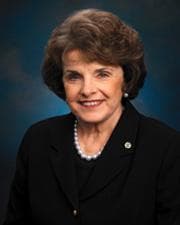
Dianne Feinstein
Democratic Senator
California
Cosponsors (3)
Health, Education, Labor, and Pensions Committee
- Introduced
- In Committee
- On Floor
- Passed Chamber
- Enacted
Personal Care Products Safety Act This bill requires cosmetics brands and manufacturers to register with the Food and Drug Administration (FDA), provides the FDA with various regulatory authorities, and addresses related issues. Cosmetics brand owners and contract manufacturers must annually register their manufacturing facilities with the FDA. Certain entities and facilities, such as manufacturers with gross sales below certain thresholds, are exempted. Registrants with gross annual sales above certain thresholds must pay a registration fee. Each registration must contain certain information, including an ingredient list for all cosmetic products from a registered facility, with different requirements for registrants that qualify as small businesses. The FDA may suspend a registration for various reasons, including if the registrant's product has a reasonable probability of causing serious adverse health consequences and the problem cannot be isolated to a single product. The FDA must annually conduct a safety review of at least five cosmetics ingredients or nonfunctional constituents and, if appropriate, issue a final finding on the safety of that ingredient or constituent. The FDA must also implement regulations for good cosmetics manufacturing practices. The bill also requires cosmetics brand owners and manufacturers to report to the FDA any serious adverse event associated with their products. The FDA shall have various authorities to regulate cosmetics, including to (1) order a mandatory recall of a product, (2) inspect the records of manufacturers and processors, and (3) require warning labels for certain products. The FDA must issue a proposed rule to ban using intentionally added perfluoroalkyl or polyfluoroalkyl substances in cosmetics.
View Full TextSuggested Questions
Get AI-generated questions to help you understand this bill better
Timeline
Introduced in Senate
Read twice and referred to the Committee on Health, Education, Labor, and Pensions. (Sponsor introductory remarks on measure: CR S4625)
Health
Personal Care Products Safety Act
USA117th CongressS-2100| Senate
| Updated: 6/17/2021
Personal Care Products Safety Act This bill requires cosmetics brands and manufacturers to register with the Food and Drug Administration (FDA), provides the FDA with various regulatory authorities, and addresses related issues. Cosmetics brand owners and contract manufacturers must annually register their manufacturing facilities with the FDA. Certain entities and facilities, such as manufacturers with gross sales below certain thresholds, are exempted. Registrants with gross annual sales above certain thresholds must pay a registration fee. Each registration must contain certain information, including an ingredient list for all cosmetic products from a registered facility, with different requirements for registrants that qualify as small businesses. The FDA may suspend a registration for various reasons, including if the registrant's product has a reasonable probability of causing serious adverse health consequences and the problem cannot be isolated to a single product. The FDA must annually conduct a safety review of at least five cosmetics ingredients or nonfunctional constituents and, if appropriate, issue a final finding on the safety of that ingredient or constituent. The FDA must also implement regulations for good cosmetics manufacturing practices. The bill also requires cosmetics brand owners and manufacturers to report to the FDA any serious adverse event associated with their products. The FDA shall have various authorities to regulate cosmetics, including to (1) order a mandatory recall of a product, (2) inspect the records of manufacturers and processors, and (3) require warning labels for certain products. The FDA must issue a proposed rule to ban using intentionally added perfluoroalkyl or polyfluoroalkyl substances in cosmetics.
View Full TextSuggested Questions
Get AI-generated questions to help you understand this bill better
Timeline
Introduced in Senate
Read twice and referred to the Committee on Health, Education, Labor, and Pensions. (Sponsor introductory remarks on measure: CR S4625)
Dianne Feinstein
Democratic Senator
California
Cosponsors (3)
Health, Education, Labor, and Pensions Committee
Health
- Introduced
- In Committee
- On Floor
- Passed Chamber
- Enacted