A bill to provide funding for the deployment of Next Generation 9-1-1, and for other purposes.
USA117th CongressS-2754| Senate
| Updated: 9/15/2021
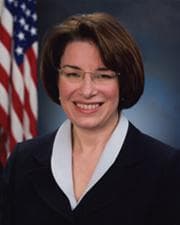
Amy Klobuchar
Democratic Senator
Minnesota
Commerce, Science, and Transportation Committee
- Introduced
- In Committee
- On Floor
- Passed Chamber
- Enacted
This bill provides funding that is available until September 30, 2030, for grants and other activities to support next generation 9-1-1 systems (i.e., interoperable, secure, Internet Protocol-based systems for receiving 9-1-1 requests for emergency assistance). The National Telecommunications and Information Administration (NTIA) must award grants to state, tribal, and territorial organizations (or entities established by one or more of those organizations) for implementing next generation 9-1-1 systems. The Inspector General of the Department of Commerce must conduct oversight related to the grants. The bill also establishes (1) a center to coordinate with state, local, and regional governments about cybersecurity threats to next generation 9-1-1 systems and strategies to detect and prevent such threats; and (2) an advisory board to provide the NTIA with recommendations about next generation 9-1-1 activities.
View Full TextSuggested Questions
Get AI-generated questions to help you understand this bill better
Timeline
Introduced in Senate
Read twice and referred to the Committee on Commerce, Science, and Transportation.
Science, Technology, Communications
A bill to provide funding for the deployment of Next Generation 9-1-1, and for other purposes.
USA117th CongressS-2754| Senate
| Updated: 9/15/2021
This bill provides funding that is available until September 30, 2030, for grants and other activities to support next generation 9-1-1 systems (i.e., interoperable, secure, Internet Protocol-based systems for receiving 9-1-1 requests for emergency assistance). The National Telecommunications and Information Administration (NTIA) must award grants to state, tribal, and territorial organizations (or entities established by one or more of those organizations) for implementing next generation 9-1-1 systems. The Inspector General of the Department of Commerce must conduct oversight related to the grants. The bill also establishes (1) a center to coordinate with state, local, and regional governments about cybersecurity threats to next generation 9-1-1 systems and strategies to detect and prevent such threats; and (2) an advisory board to provide the NTIA with recommendations about next generation 9-1-1 activities.
View Full TextSuggested Questions
Get AI-generated questions to help you understand this bill better
Timeline
Introduced in Senate
Read twice and referred to the Committee on Commerce, Science, and Transportation.
Amy Klobuchar
Democratic Senator
Minnesota
Commerce, Science, and Transportation Committee
Science, Technology, Communications
- Introduced
- In Committee
- On Floor
- Passed Chamber
- Enacted