Servicemembers and Veterans Empowerment and Support Act of 2021
USA117th CongressS-3025| Senate
| Updated: 3/1/2022
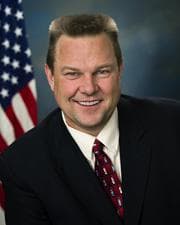
Jon Tester
Democratic Senator
Montana
Cosponsors (1)
Veterans' Affairs Committee
- Introduced
Servicemembers and Veterans Empowerment and Support Act of 2021
USA117th CongressS-3025| Senate
| Updated: 3/1/2022
Servicemembers and Veterans Empowerment and Support Act of 2021 This bill modifies and implements policies and procedures related to Department of Veterans Affairs (VA) health care and benefits for veterans who have experienced military sexual trauma (MST), which is generally defined as physical assault of a sexual nature, battery of a sexual nature, or sexual harassment that occurred while the veteran was serving in the military. The VA must report on MST in the digital age. In the case of any veteran who claims that a covered mental health condition (e.g., post-traumatic stress disorder) based on MST was incurred or aggravated by active service, the VA must accept specified diagnoses and evidence as proof of service-connection. The VA may not deny a veteran's claim of compensation for a covered mental health condition based on MST without first (1) advising the veteran that nonmilitary evidence and behavioral evidence may constitute credible corroborating evidence, and (2) allowing the veteran an opportunity to furnish the corroborating evidence or advise the VA of potential sources of such evidence. The Veterans Benefits Administration must conduct an annual special focus review on the accuracy of the processing of claims for disability compensation for disabilities relating to MST. Additionally, the bill (1) expands access to mental health care at VA facilities for survivors of MST, and (2) requires the Government Accountability Office to report on access to such care for individuals who have experienced MST.
Suggested Questions
Get AI-generated questions to help you understand this bill better
Timeline
Introduced in Senate
Read twice and referred to the Committee on Veterans' Affairs.
Committee on Veterans' Affairs. Ordered to be reported without amendment favorably.
Committee on Veterans' Affairs. Reported by Senator Tester with an amendment in the nature of a substitute. Without written report.
Placed on Senate Legislative Calendar under General Orders. Calendar No. 289.