Centers for Public Health Preparedness and Response Reauthorization Act
USA117th CongressS-3800| Senate
| Updated: 3/10/2022
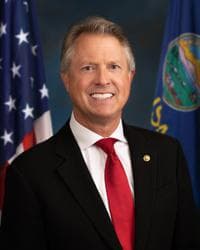
Roger Marshall
Republican Senator
Kansas
Cosponsors (6)
Health, Education, Labor, and Pensions Committee
- Introduced
- In Committee
- On Floor
- Passed Chamber
- Enacted
Centers for Public Health Preparedness and Response Reauthorization Act This bill revises eligibility criteria and other aspects of a program administered by the Centers for Disease Control and Prevention that supports a network of centers for public health preparedness. Specifically, the bill makes nonprofits and institutions of higher education other than schools of public health eligible to participate in the program, whereas current participation is generally limited to accredited schools of public health. Further, the bill shifts the program's focus from curricula development and training public health practitioners to other areas, such as (1) researching and disseminating evidence-based practices to inform preparedness and response activities, and (2) providing technical assistance and expertise to health departments during public health emergencies. The bill also repeals a demonstration program for improving the detection of pathogens likely to be used in bioterrorism attacks.
View Full TextSuggested Questions
Get AI-generated questions to help you understand this bill better
Timeline
Introduced in Senate
Read twice and referred to the Committee on Health, Education, Labor, and Pensions.
Health
Chemical and biological weaponsCommunity life and organizationEducation programs fundingEmergency medical services and trauma careEmergency planning and evacuationHealth programs administration and fundingHealth promotion and preventive careIndian social and development programsInfectious and parasitic diseasesMedical researchMinority healthPublic-private cooperationResearch administration and fundingState and local government operationsTerrorism
Centers for Public Health Preparedness and Response Reauthorization Act
USA117th CongressS-3800| Senate
| Updated: 3/10/2022
Centers for Public Health Preparedness and Response Reauthorization Act This bill revises eligibility criteria and other aspects of a program administered by the Centers for Disease Control and Prevention that supports a network of centers for public health preparedness. Specifically, the bill makes nonprofits and institutions of higher education other than schools of public health eligible to participate in the program, whereas current participation is generally limited to accredited schools of public health. Further, the bill shifts the program's focus from curricula development and training public health practitioners to other areas, such as (1) researching and disseminating evidence-based practices to inform preparedness and response activities, and (2) providing technical assistance and expertise to health departments during public health emergencies. The bill also repeals a demonstration program for improving the detection of pathogens likely to be used in bioterrorism attacks.
View Full TextSuggested Questions
Get AI-generated questions to help you understand this bill better
Timeline
Introduced in Senate
Read twice and referred to the Committee on Health, Education, Labor, and Pensions.
Roger Marshall
Republican Senator
Kansas
Cosponsors (6)
Health, Education, Labor, and Pensions Committee
Health
Related Bills
- Introduced
- In Committee
- On Floor
- Passed Chamber
- Enacted
Chemical and biological weaponsCommunity life and organizationEducation programs fundingEmergency medical services and trauma careEmergency planning and evacuationHealth programs administration and fundingHealth promotion and preventive careIndian social and development programsInfectious and parasitic diseasesMedical researchMinority healthPublic-private cooperationResearch administration and fundingState and local government operationsTerrorism