Housing Survivors of Major Disasters Act of 2022
USA117th CongressS-5035| Senate
| Updated: 9/29/2022
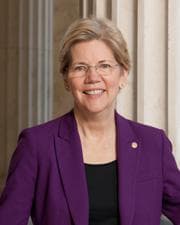
Elizabeth Warren
Democratic Senator
Massachusetts
Cosponsors (14)
Richard J. Durbin (Democratic)Edward J. Markey (Democratic)Kirsten E. Gillibrand (Democratic)Alex Padilla (Democratic)Amy Klobuchar (Democratic)Tim Kaine (Democratic)Chris Van Hollen (Democratic)Michael F. Bennet (Democratic)Bernard Sanders (Independent)Cory A. Booker (Democratic)Robert Menendez (Democratic)Jeff Merkley (Democratic)Raphael G. Warnock (Democratic)Richard Blumenthal (Democratic)
Homeland Security and Governmental Affairs Committee
- Introduced
- In Committee
- On Floor
- Passed Chamber
- Enacted
Housing Survivors of Major Disasters Act of 2022 This bill makes certain individuals and households eligible for housing assistance in connection with a major disaster, including Hurricane Maria of 2017. To be eligible, an individual or household must be (1) residing on or otherwise occupying property located in the area for which the major disaster was declared but does not have documented ownership rights to and is not renting such property; or (2) residing in or occupying, or have resided in, an area for which the major disaster was declared during the designated incident period, including individuals experiencing homelessness. The Federal Emergency Management Agency (FEMA) must consider alternative forms of proof to determine the eligibility of an individual or household for assistance. In the case of an individual or household that does not have documented ownership rights in the predisaster primary residence, FEMA must consider evidence of constructive ownership. FEMA shall create and distribute a declarative form statement that applicants for assistance can use to self-certify eligibility for assistance and shall make the statement available in specified languages at all active Disaster Recovery Centers and on its website and social media. FEMA shall conduct an analysis comparing the costs, benefits, and effectiveness of assistance provided under the Disaster Housing Assistance Program with other temporary housing options provided by FEMA. FEMA and the Department of Housing and Urban Development must consult regarding the implementation of a disaster housing assistance program or similar joint program.
View Full TextSuggested Questions
Get AI-generated questions to help you understand this bill better
Timeline
Introduced in Senate
Read twice and referred to the Committee on Homeland Security and Governmental Affairs.
Emergency Management
Housing Survivors of Major Disasters Act of 2022
USA117th CongressS-5035| Senate
| Updated: 9/29/2022
Housing Survivors of Major Disasters Act of 2022 This bill makes certain individuals and households eligible for housing assistance in connection with a major disaster, including Hurricane Maria of 2017. To be eligible, an individual or household must be (1) residing on or otherwise occupying property located in the area for which the major disaster was declared but does not have documented ownership rights to and is not renting such property; or (2) residing in or occupying, or have resided in, an area for which the major disaster was declared during the designated incident period, including individuals experiencing homelessness. The Federal Emergency Management Agency (FEMA) must consider alternative forms of proof to determine the eligibility of an individual or household for assistance. In the case of an individual or household that does not have documented ownership rights in the predisaster primary residence, FEMA must consider evidence of constructive ownership. FEMA shall create and distribute a declarative form statement that applicants for assistance can use to self-certify eligibility for assistance and shall make the statement available in specified languages at all active Disaster Recovery Centers and on its website and social media. FEMA shall conduct an analysis comparing the costs, benefits, and effectiveness of assistance provided under the Disaster Housing Assistance Program with other temporary housing options provided by FEMA. FEMA and the Department of Housing and Urban Development must consult regarding the implementation of a disaster housing assistance program or similar joint program.
View Full TextSuggested Questions
Get AI-generated questions to help you understand this bill better
Timeline
Introduced in Senate
Read twice and referred to the Committee on Homeland Security and Governmental Affairs.
Elizabeth Warren
Democratic Senator
Massachusetts
Cosponsors (14)
Richard J. Durbin (Democratic)Edward J. Markey (Democratic)Kirsten E. Gillibrand (Democratic)Alex Padilla (Democratic)Amy Klobuchar (Democratic)Tim Kaine (Democratic)Chris Van Hollen (Democratic)Michael F. Bennet (Democratic)Bernard Sanders (Independent)Cory A. Booker (Democratic)Robert Menendez (Democratic)Jeff Merkley (Democratic)Raphael G. Warnock (Democratic)Richard Blumenthal (Democratic)
Homeland Security and Governmental Affairs Committee
Emergency Management
- Introduced
- In Committee
- On Floor
- Passed Chamber
- Enacted