SASCA
USA117th CongressS-926| Senate
| Updated: 3/23/2021
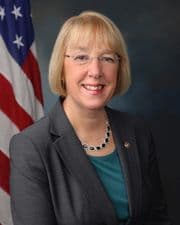
Patty Murray
Democratic Senator
Washington
Cosponsors (21)
Jeanne Shaheen (Democratic)Tammy Duckworth (Democratic)Jon Ossoff (Democratic)Dianne Feinstein (Democratic)Catherine Cortez Masto (Democratic)Patrick J. Leahy (Democratic)Edward J. Markey (Democratic)Kirsten E. Gillibrand (Democratic)Elizabeth Warren (Democratic)Amy Klobuchar (Democratic)Sheldon Whitehouse (Democratic)Chris Van Hollen (Democratic)Christopher Murphy (Democratic)Jon Tester (Democratic)Tina Smith (Democratic)Bernard Sanders (Independent)Tammy Baldwin (Democratic)Cory A. Booker (Democratic)Ron Wyden (Democratic)Richard Blumenthal (Democratic)Lisa Murkowski (Republican)
Health, Education, Labor, and Pensions Committee
- Introduced
- In Committee
- On Floor
- Passed Chamber
- Enacted
Survivors' Access to Supportive Care Act or SASCA This bill sets out programs and requirements to address access and quality issues related to sexual-assault examinations. Specifically, the bill establishes training and technical assistance programs for health care providers on conducting sexual-assault examinations and treating survivors of sexual assault, including in rural and tribal settings; grants for states to assess the availability of trained providers to perform sexual-assault examinations; and a task force to assist state-level efforts to improve medical forensic evidence collection related to sexual assault. The bill also requires institutions of higher education to provide information about the availability of sexual-assault examinations to survivors of sexual assault. Additionally, hospitals and specified components of the Department of Health and Human Services (HHS) must report on access and quality issues concerning sexual-assault examinations and related services. Furthermore, HHS must address access to, and the quality of, trained health care providers who conduct sexual-assault examinations in the National Quality Strategy. This is a national effort to align public-sector and private-sector stakeholders to achieve better health and health care.
View Full TextSuggested Questions
Get AI-generated questions to help you understand this bill better
Timeline
Introduced in Senate
Read twice and referred to the Committee on Health, Education, Labor, and Pensions.
Health
Assault and harassment offensesCrime preventionCrimes against womenCrime victimsEducation programs fundingEmergency medical services and trauma careEvidence and witnessesGovernment information and archivesGovernment studies and investigationsHealth care costs and insuranceHealth care coverage and accessHealth care qualityHealth facilities and institutionsHealth information and medical recordsHealth personnelHealth programs administration and fundingHigher educationIndian social and development programsMedical educationMedical tests and diagnostic methodsMinority healthNursingRural conditions and developmentSex offenses
SASCA
USA117th CongressS-926| Senate
| Updated: 3/23/2021
Survivors' Access to Supportive Care Act or SASCA This bill sets out programs and requirements to address access and quality issues related to sexual-assault examinations. Specifically, the bill establishes training and technical assistance programs for health care providers on conducting sexual-assault examinations and treating survivors of sexual assault, including in rural and tribal settings; grants for states to assess the availability of trained providers to perform sexual-assault examinations; and a task force to assist state-level efforts to improve medical forensic evidence collection related to sexual assault. The bill also requires institutions of higher education to provide information about the availability of sexual-assault examinations to survivors of sexual assault. Additionally, hospitals and specified components of the Department of Health and Human Services (HHS) must report on access and quality issues concerning sexual-assault examinations and related services. Furthermore, HHS must address access to, and the quality of, trained health care providers who conduct sexual-assault examinations in the National Quality Strategy. This is a national effort to align public-sector and private-sector stakeholders to achieve better health and health care.
View Full TextSuggested Questions
Get AI-generated questions to help you understand this bill better
Timeline
Introduced in Senate
Read twice and referred to the Committee on Health, Education, Labor, and Pensions.
Patty Murray
Democratic Senator
Washington
Cosponsors (21)
Jeanne Shaheen (Democratic)Tammy Duckworth (Democratic)Jon Ossoff (Democratic)Dianne Feinstein (Democratic)Catherine Cortez Masto (Democratic)Patrick J. Leahy (Democratic)Edward J. Markey (Democratic)Kirsten E. Gillibrand (Democratic)Elizabeth Warren (Democratic)Amy Klobuchar (Democratic)Sheldon Whitehouse (Democratic)Chris Van Hollen (Democratic)Christopher Murphy (Democratic)Jon Tester (Democratic)Tina Smith (Democratic)Bernard Sanders (Independent)Tammy Baldwin (Democratic)Cory A. Booker (Democratic)Ron Wyden (Democratic)Richard Blumenthal (Democratic)Lisa Murkowski (Republican)
Health, Education, Labor, and Pensions Committee
Health
Related Bills
- Introduced
- In Committee
- On Floor
- Passed Chamber
- Enacted
Assault and harassment offensesCrime preventionCrimes against womenCrime victimsEducation programs fundingEmergency medical services and trauma careEvidence and witnessesGovernment information and archivesGovernment studies and investigationsHealth care costs and insuranceHealth care coverage and accessHealth care qualityHealth facilities and institutionsHealth information and medical recordsHealth personnelHealth programs administration and fundingHigher educationIndian social and development programsMedical educationMedical tests and diagnostic methodsMinority healthNursingRural conditions and developmentSex offenses