Civil Aviation Security and Safety Act of 2023
USA118th CongressHR-1187| House
| Updated: 2/27/2023
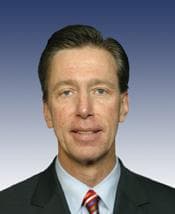
Stephen F. Lynch
Democratic Representative
Massachusetts
Cosponsors (1)
Transportation and Infrastructure Committee, Aviation Subcommittee
- Introduced
- In Committee
- On Floor
- Passed Chamber
- Enacted
Civil Aviation Security and Safety Act of 202 3 This bill revises and sets forth new requirements for the registration of civilian aircraft. For example, the Federal Aviation Administration (FAA) must conduct a comprehensive review of the process under which it reviews and approves aircraft registration applications and dealer certificates. The bill revises application requirements for aircraft registration to include name, address, date of birth, driver's license or pilot's license (or both if applicable), and applicant photos in the submission of an application. Additionally, the FAA must review Office of Foreign Assets Control sanctions data on applicants; ensure that all eligibility and registration information in an application is true and correct before issuing a registration or dealer certificate; increase the fees for registration to a level sufficient to cover the costs to collect and verify applicant data and the costs of inflation; provide to the Drug Enforcement Administration declarations of its international operations to maximize the ability of federal national security and law enforcement agencies in preventing use of the Civil Aviation Registry for illicit purposes and detecting trade-based money laundering and other cross-border schemes; implement an enforcement mechanism for suspending and revoking dealer certificates; and establish an Aircraft Registry Task Force to examine national security, law enforcement, and public safety issues related to civil aircraft registration and develop solutions to mitigate security and safety risks and increase interagency cooperation.
View Full TextSuggested Questions
Get AI-generated questions to help you understand this bill better
Timeline
Introduced in House
Referred to the House Committee on Transportation and Infrastructure.
Referred to the Subcommittee on Aviation.
Transportation and Public Works
Civil Aviation Security and Safety Act of 2023
USA118th CongressHR-1187| House
| Updated: 2/27/2023
Civil Aviation Security and Safety Act of 202 3 This bill revises and sets forth new requirements for the registration of civilian aircraft. For example, the Federal Aviation Administration (FAA) must conduct a comprehensive review of the process under which it reviews and approves aircraft registration applications and dealer certificates. The bill revises application requirements for aircraft registration to include name, address, date of birth, driver's license or pilot's license (or both if applicable), and applicant photos in the submission of an application. Additionally, the FAA must review Office of Foreign Assets Control sanctions data on applicants; ensure that all eligibility and registration information in an application is true and correct before issuing a registration or dealer certificate; increase the fees for registration to a level sufficient to cover the costs to collect and verify applicant data and the costs of inflation; provide to the Drug Enforcement Administration declarations of its international operations to maximize the ability of federal national security and law enforcement agencies in preventing use of the Civil Aviation Registry for illicit purposes and detecting trade-based money laundering and other cross-border schemes; implement an enforcement mechanism for suspending and revoking dealer certificates; and establish an Aircraft Registry Task Force to examine national security, law enforcement, and public safety issues related to civil aircraft registration and develop solutions to mitigate security and safety risks and increase interagency cooperation.
View Full TextSuggested Questions
Get AI-generated questions to help you understand this bill better
Timeline
Introduced in House
Referred to the House Committee on Transportation and Infrastructure.
Referred to the Subcommittee on Aviation.
Stephen F. Lynch
Democratic Representative
Massachusetts
Cosponsors (1)
Transportation and Infrastructure Committee, Aviation Subcommittee
Transportation and Public Works
- Introduced
- In Committee
- On Floor
- Passed Chamber
- Enacted