Patient Access to Urgent-Use Pharmacy Compounding Act of 2023
USA118th CongressHR-167| House
| Updated: 1/20/2023
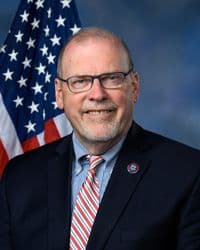
H. Morgan Griffith
Republican Representative
Virginia
Cosponsors (12)
Diana Harshbarger (Republican)Wiley Nickel (Democratic)Mark Pocan (Democratic)Neal P. Dunn (Republican)Mariannette Miller-Meeks (Republican)Jeff Duncan (Republican)Earl L. "Buddy" Carter (Republican)John R. Moolenaar (Republican)Henry Cuellar (Democratic)Gary J. Palmer (Republican)Debbie Lesko (Republican)Ben Cline (Republican)
Health Subcommittee, Energy and Commerce Committee
- Introduced
- In Committee
- On Floor
- Passed Chamber
- Enacted
Patient Access to Urgent-Use Pharmacy Compounding Act of 2023 This bill relaxes certain requirements for compounding drugs that are facing shortages. Drug compounding is the process of mixing or otherwise altering drugs to create a medication. Currently, the Food and Drug Administration (FDA) allows for drug compounding subject to certain requirements. Generally, a licensed pharmacist or physician not registered with the FDA may only compound drugs in limited quantities for prescriptions for a specific individual patient. On the other hand, an FDA-registered outsourcing facility may compound drugs in bulk for use in medical facilities but is subject to additional requirements. This bill allows a compounder not registered with the FDA to compound drugs in limited quantities for an urgent medical need not involving a specific patient if, among other requirements (1) the prescriber certifies that the prescriber is unable, despite reasonable attempts, to obtain certain related drugs with the same active ingredient and route of administration; (2) the compounded drug meets certain labeling requirements, including an indication that the compounded drug is provided only for urgent administration to a patient; and (3) the compounder requests and maintains certain records about patients receiving the compounded drug. Furthermore, a restriction against an unregistered compounder regularly compounding (or compounding inordinate amounts of) what is essentially a copy of a commercially available drug shall not apply if the drug is on a shortage list maintained by the FDA or the American Society of Hospital Pharmacists.
View Full TextSuggested Questions
Get AI-generated questions to help you understand this bill better
Timeline
Introduced in House
Referred to the House Committee on Energy and Commerce.
Referred to the Subcommittee on Health.
Health
Drug safety, medical device, and laboratory regulationHealth information and medical recordsPrescription drugs
Patient Access to Urgent-Use Pharmacy Compounding Act of 2023
USA118th CongressHR-167| House
| Updated: 1/20/2023
Patient Access to Urgent-Use Pharmacy Compounding Act of 2023 This bill relaxes certain requirements for compounding drugs that are facing shortages. Drug compounding is the process of mixing or otherwise altering drugs to create a medication. Currently, the Food and Drug Administration (FDA) allows for drug compounding subject to certain requirements. Generally, a licensed pharmacist or physician not registered with the FDA may only compound drugs in limited quantities for prescriptions for a specific individual patient. On the other hand, an FDA-registered outsourcing facility may compound drugs in bulk for use in medical facilities but is subject to additional requirements. This bill allows a compounder not registered with the FDA to compound drugs in limited quantities for an urgent medical need not involving a specific patient if, among other requirements (1) the prescriber certifies that the prescriber is unable, despite reasonable attempts, to obtain certain related drugs with the same active ingredient and route of administration; (2) the compounded drug meets certain labeling requirements, including an indication that the compounded drug is provided only for urgent administration to a patient; and (3) the compounder requests and maintains certain records about patients receiving the compounded drug. Furthermore, a restriction against an unregistered compounder regularly compounding (or compounding inordinate amounts of) what is essentially a copy of a commercially available drug shall not apply if the drug is on a shortage list maintained by the FDA or the American Society of Hospital Pharmacists.
View Full TextSuggested Questions
Get AI-generated questions to help you understand this bill better
Timeline
Introduced in House
Referred to the House Committee on Energy and Commerce.
Referred to the Subcommittee on Health.
H. Morgan Griffith
Republican Representative
Virginia
Cosponsors (12)
Diana Harshbarger (Republican)Wiley Nickel (Democratic)Mark Pocan (Democratic)Neal P. Dunn (Republican)Mariannette Miller-Meeks (Republican)Jeff Duncan (Republican)Earl L. "Buddy" Carter (Republican)John R. Moolenaar (Republican)Henry Cuellar (Democratic)Gary J. Palmer (Republican)Debbie Lesko (Republican)Ben Cline (Republican)
Health Subcommittee, Energy and Commerce Committee
Health
- Introduced
- In Committee
- On Floor
- Passed Chamber
- Enacted
Drug safety, medical device, and laboratory regulationHealth information and medical recordsPrescription drugs