Green New Deal for Health Act
USA118th CongressHR-2764| House
| Updated: 12/17/2024
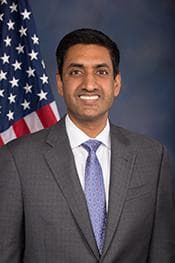
Ro Khanna
Democratic Representative
California
Cosponsors (27)
Barbara Lee (Democratic)Raúl M. Grijalva (Democratic)Ritchie Torres (Democratic)Robert Garcia (Democratic)Sheila Jackson Lee (Democratic)Ilhan Omar (Democratic)Maxwell Frost (Democratic)Delia C. Ramirez (Democratic)Greg Casar (Democratic)Adriano Espaillat (Democratic)Shri Thanedar (Democratic)Jill N. Tokuda (Democratic)Jerrold Nadler (Democratic)Sydney Kamlager-Dove (Democratic)Pramila Jayapal (Democratic)Eleanor Holmes Norton (Democratic)Bonnie Watson Coleman (Democratic)James P. McGovern (Democratic)Alexandria Ocasio-Cortez (Democratic)Summer L. Lee (Democratic)Nydia M. Velázquez (Democratic)Yvette D. Clarke (Democratic)Jesús G. "Chuy" García (Democratic)Rashida Tlaib (Democratic)Ayanna Pressley (Democratic)Jamaal Bowman (Democratic)Cori Bush (Democratic)
Ways and Means Committee, Health Subcommittee, Science, Space, and Technology Committee, Energy and Commerce Committee
- Introduced
- In Committee
- On Floor
- Passed Chamber
- Enacted
Green New Deal for Health Act This bill establishes programs and requirements to mitigate the health effects of climate change and environmental effects of the health care sector, particularly on vulnerable populations. The Department of Health and Human Services must, for example, lead a research initiative to mitigate the health effects of climate change and develop a plan for preparing the health care system to respond to those effects. The bill establishes programs and requirements for medical facilities. It funds through FY2028 the Community Health Center Program (which supports outpatient facilities for medically underserved populations) and establishes grants for sustainability and resiliency planning for medical facilities. Further, the bill revives the Hill-Burton program (which historically supported construction and modernization of medical facilities) and makes climate resiliency a program focus. It also restricts certain hospitals from terminating essential services without engaging in planning and other efforts to preserve access. The bill also provides support for workforce and community programs. This includes (1) grants for incorporating climate change into medical training and community-based mental wellness and resiliency programs; and (2) funding through FY2028 for the National Health Services Corps, which awards educational incentives to providers in underserved areas. Additionally, the bill addresses efforts to reduce (1) the health sector's contributions to climate change, (2) climate-related risks to pharmaceutical manufacturing and medical supply chains, and (3) health impacts of extreme heat. It also expands Medicare coverage to include items and services (e.g., solar batteries) for individuals who are medically at-risk at home from climate or man-made disasters.
View Full TextSuggested Questions
Get AI-generated questions to help you understand this bill better
Timeline
Introduced in House
Referred to the Committee on Energy and Commerce, and in addition to the Committees on Ways and Means, and Science, Space, and Technology, for a period to be subsequently determined by the Speaker, in each case for consideration of such provisions as fall within the jurisdiction of the committee concerned.
Referred to the Subcommittee on Health.
Health
Green New Deal for Health Act
USA118th CongressHR-2764| House
| Updated: 12/17/2024
Green New Deal for Health Act This bill establishes programs and requirements to mitigate the health effects of climate change and environmental effects of the health care sector, particularly on vulnerable populations. The Department of Health and Human Services must, for example, lead a research initiative to mitigate the health effects of climate change and develop a plan for preparing the health care system to respond to those effects. The bill establishes programs and requirements for medical facilities. It funds through FY2028 the Community Health Center Program (which supports outpatient facilities for medically underserved populations) and establishes grants for sustainability and resiliency planning for medical facilities. Further, the bill revives the Hill-Burton program (which historically supported construction and modernization of medical facilities) and makes climate resiliency a program focus. It also restricts certain hospitals from terminating essential services without engaging in planning and other efforts to preserve access. The bill also provides support for workforce and community programs. This includes (1) grants for incorporating climate change into medical training and community-based mental wellness and resiliency programs; and (2) funding through FY2028 for the National Health Services Corps, which awards educational incentives to providers in underserved areas. Additionally, the bill addresses efforts to reduce (1) the health sector's contributions to climate change, (2) climate-related risks to pharmaceutical manufacturing and medical supply chains, and (3) health impacts of extreme heat. It also expands Medicare coverage to include items and services (e.g., solar batteries) for individuals who are medically at-risk at home from climate or man-made disasters.
View Full TextSuggested Questions
Get AI-generated questions to help you understand this bill better
Timeline
Introduced in House
Referred to the Committee on Energy and Commerce, and in addition to the Committees on Ways and Means, and Science, Space, and Technology, for a period to be subsequently determined by the Speaker, in each case for consideration of such provisions as fall within the jurisdiction of the committee concerned.
Referred to the Subcommittee on Health.
Ro Khanna
Democratic Representative
California
Cosponsors (27)
Barbara Lee (Democratic)Raúl M. Grijalva (Democratic)Ritchie Torres (Democratic)Robert Garcia (Democratic)Sheila Jackson Lee (Democratic)Ilhan Omar (Democratic)Maxwell Frost (Democratic)Delia C. Ramirez (Democratic)Greg Casar (Democratic)Adriano Espaillat (Democratic)Shri Thanedar (Democratic)Jill N. Tokuda (Democratic)Jerrold Nadler (Democratic)Sydney Kamlager-Dove (Democratic)Pramila Jayapal (Democratic)Eleanor Holmes Norton (Democratic)Bonnie Watson Coleman (Democratic)James P. McGovern (Democratic)Alexandria Ocasio-Cortez (Democratic)Summer L. Lee (Democratic)Nydia M. Velázquez (Democratic)Yvette D. Clarke (Democratic)Jesús G. "Chuy" García (Democratic)Rashida Tlaib (Democratic)Ayanna Pressley (Democratic)Jamaal Bowman (Democratic)Cori Bush (Democratic)
Ways and Means Committee, Health Subcommittee, Science, Space, and Technology Committee, Energy and Commerce Committee
Health
Related Bills
- S 118-2288: SAFE through Medicare Act
- HR 118-3645: To amend the Public Health Service Act to establish emergency grants to safeguard essential health care workers, and for other purposes.
- HR 118-4375: Survival Aid For Emergencies through Medicare Act
- S 118-1229: Green New Deal for Health Act
- S 118-2657: GREEN Hospitals Act
- S 118-1767: Hazard Pay for Health Care Heroes Act
- HR 118-5007: GREEN Hospitals Act
- Introduced
- In Committee
- On Floor
- Passed Chamber
- Enacted