To amend title VII of the Public Health Service Act to strengthen the mental health workforce, and for other purposes.
USA118th CongressHR-3760| House
| Updated: 6/2/2023
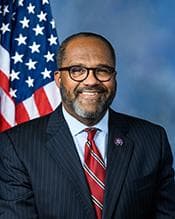
Troy A. Carter
Democratic Representative
Louisiana
Cosponsors (24)
Nikema Williams (Democratic)Jonathan L. Jackson (Democratic)Barbara Lee (Democratic)Robin L. Kelly (Democratic)Joyce Beatty (Democratic)Jennifer L. McClellan (Democratic)Emanuel Cleaver (Democratic)Sheila Jackson Lee (Democratic)Sanford D. Bishop (Democratic)Shontel M. Brown (Democratic)Terri A. Sewell (Democratic)Donald G. Davis (Democratic)Jasmine Crockett (Democratic)Henry C. "Hank" Johnson (Democratic)André Carson (Democratic)Glenn Ivey (Democratic)Marilyn Strickland (Democratic)Gregory W. Meeks (Democratic)Jahana Hayes (Democratic)Bonnie Watson Coleman (Democratic)Summer L. Lee (Democratic)James E. Clyburn (Democratic)Valerie P. Foushee (Democratic)Kweisi Mfume (Democratic)
Health Subcommittee, Energy and Commerce Committee
- Introduced
- In Committee
- On Floor
- Passed Chamber
- Enacted
This bill establishes a student loan deferment and forgiveness program for physicians who provide mental and behavioral health services (including substance abuse prevention and treatment services) to racial and ethnic minority groups and low-income individuals. To carry out the program, the Department of Health and Human Services must pay the outstanding principal and interest (up to a maximum limit) on specified federal student loans for eligible physicians who work in qualifying employment. While participating in the program, physicians do not need to pay the principal of their loans but must pay any interest that accrues. To be eligible, physicians must complete a mental or behavioral health professions degree or certificate at a minority-serving institution of higher education. Physicians must also provide mental and behavioral health services for five consecutive years while working either (1) as solo practitioners where at least 30% of patients receive Medicaid and at least 50% of patients are members of racial and ethnic minority groups; or (2) at institutions that accept Medicaid and where at least 50% of patients served by the institution are members of racial and ethnic minority groups.
View Full TextSuggested Questions
Get AI-generated questions to help you understand this bill better
Timeline
Introduced in House
Referred to the House Committee on Energy and Commerce.
Referred to the Subcommittee on Health.
Health
Health personnelHigher educationMental healthStudent aid and college costs
To amend title VII of the Public Health Service Act to strengthen the mental health workforce, and for other purposes.
USA118th CongressHR-3760| House
| Updated: 6/2/2023
This bill establishes a student loan deferment and forgiveness program for physicians who provide mental and behavioral health services (including substance abuse prevention and treatment services) to racial and ethnic minority groups and low-income individuals. To carry out the program, the Department of Health and Human Services must pay the outstanding principal and interest (up to a maximum limit) on specified federal student loans for eligible physicians who work in qualifying employment. While participating in the program, physicians do not need to pay the principal of their loans but must pay any interest that accrues. To be eligible, physicians must complete a mental or behavioral health professions degree or certificate at a minority-serving institution of higher education. Physicians must also provide mental and behavioral health services for five consecutive years while working either (1) as solo practitioners where at least 30% of patients receive Medicaid and at least 50% of patients are members of racial and ethnic minority groups; or (2) at institutions that accept Medicaid and where at least 50% of patients served by the institution are members of racial and ethnic minority groups.
View Full TextSuggested Questions
Get AI-generated questions to help you understand this bill better
Timeline
Introduced in House
Referred to the House Committee on Energy and Commerce.
Referred to the Subcommittee on Health.
Troy A. Carter
Democratic Representative
Louisiana
Cosponsors (24)
Nikema Williams (Democratic)Jonathan L. Jackson (Democratic)Barbara Lee (Democratic)Robin L. Kelly (Democratic)Joyce Beatty (Democratic)Jennifer L. McClellan (Democratic)Emanuel Cleaver (Democratic)Sheila Jackson Lee (Democratic)Sanford D. Bishop (Democratic)Shontel M. Brown (Democratic)Terri A. Sewell (Democratic)Donald G. Davis (Democratic)Jasmine Crockett (Democratic)Henry C. "Hank" Johnson (Democratic)André Carson (Democratic)Glenn Ivey (Democratic)Marilyn Strickland (Democratic)Gregory W. Meeks (Democratic)Jahana Hayes (Democratic)Bonnie Watson Coleman (Democratic)Summer L. Lee (Democratic)James E. Clyburn (Democratic)Valerie P. Foushee (Democratic)Kweisi Mfume (Democratic)
Health Subcommittee, Energy and Commerce Committee
Health
- Introduced
- In Committee
- On Floor
- Passed Chamber
- Enacted
Health personnelHigher educationMental healthStudent aid and college costs