Combating Global Corruption Act of 2023
USA118th CongressHR-457| House
| Updated: 1/24/2023
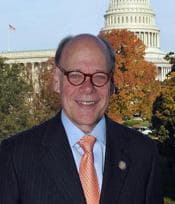
Steve Cohen
Democratic Representative
Tennessee
Cosponsors (6)
Foreign Affairs Committee, Judiciary Committee
- Introduced
- In Committee
- On Floor
- Passed Chamber
- Enacted
Combating Global Corruption Act of 2023 This bill requires the Department of State to address corruption in foreign governments. The State Department must annually publish a ranking of foreign countries based on their government's efforts to eliminate corruption. Corruption, for the purposes of the bill, is the unlawful exercise of entrusted public power for private gain, including by bribery, nepotism, fraud, or embezzlement. The bill outlines the minimum standards that the State Department must consider when creating the ranking. These considerations include, for example, whether a country has criminalized corruption, adopted measures to prevent corruption, and complied with the United Nations Convention against Corruption and other relevant international agreements. Tier one countries meet the standards; tier two countries make some efforts to meet the standards; tier three countries make de minimis or no efforts to meet the standards. If a country is ranked in the second or third tier, the State Department must designate an anti-corruption contact at the U.S. diplomatic post in that country to promote good governance and combat corruption. The State Department must report annually to Congress a list of foreign persons (individuals or entities) (1) who have engaged in significant corruption in a tier three country, and (2) upon whom the President has imposed sanctions pursuant to this bill.
View Full TextSuggested Questions
Get AI-generated questions to help you understand this bill better
Timeline
Introduced in House
Referred to the Committee on Foreign Affairs, and in addition to the Committee on the Judiciary, for a period to be subsequently determined by the Speaker, in each case for consideration of such provisions as fall within the jurisdiction of the committee concerned.
International Affairs
Congressional oversightCrime preventionCrime victimsCriminal investigation, prosecution, interrogationCriminal procedure and sentencingDiplomacy, foreign officials, Americans abroadEmployment discrimination and employee rightsEnergy storage, supplies, demandEuropeForeign aid and international reliefGermanyGovernment ethics and transparency, public corruptionGovernment information and archivesHuman rightsInternational law and treatiesInternational organizations and cooperationJudicial procedure and administrationOil and gasOrganized crimePipelinesRussiaSanctionsSovereignty, recognition, national governance and statusUnited NationsU.S. and foreign investments
Combating Global Corruption Act of 2023
USA118th CongressHR-457| House
| Updated: 1/24/2023
Combating Global Corruption Act of 2023 This bill requires the Department of State to address corruption in foreign governments. The State Department must annually publish a ranking of foreign countries based on their government's efforts to eliminate corruption. Corruption, for the purposes of the bill, is the unlawful exercise of entrusted public power for private gain, including by bribery, nepotism, fraud, or embezzlement. The bill outlines the minimum standards that the State Department must consider when creating the ranking. These considerations include, for example, whether a country has criminalized corruption, adopted measures to prevent corruption, and complied with the United Nations Convention against Corruption and other relevant international agreements. Tier one countries meet the standards; tier two countries make some efforts to meet the standards; tier three countries make de minimis or no efforts to meet the standards. If a country is ranked in the second or third tier, the State Department must designate an anti-corruption contact at the U.S. diplomatic post in that country to promote good governance and combat corruption. The State Department must report annually to Congress a list of foreign persons (individuals or entities) (1) who have engaged in significant corruption in a tier three country, and (2) upon whom the President has imposed sanctions pursuant to this bill.
View Full TextSuggested Questions
Get AI-generated questions to help you understand this bill better
Timeline
Introduced in House
Referred to the Committee on Foreign Affairs, and in addition to the Committee on the Judiciary, for a period to be subsequently determined by the Speaker, in each case for consideration of such provisions as fall within the jurisdiction of the committee concerned.
Steve Cohen
Democratic Representative
Tennessee
Cosponsors (6)
Foreign Affairs Committee, Judiciary Committee
International Affairs
Related Bills
- Introduced
- In Committee
- On Floor
- Passed Chamber
- Enacted
Congressional oversightCrime preventionCrime victimsCriminal investigation, prosecution, interrogationCriminal procedure and sentencingDiplomacy, foreign officials, Americans abroadEmployment discrimination and employee rightsEnergy storage, supplies, demandEuropeForeign aid and international reliefGermanyGovernment ethics and transparency, public corruptionGovernment information and archivesHuman rightsInternational law and treatiesInternational organizations and cooperationJudicial procedure and administrationOil and gasOrganized crimePipelinesRussiaSanctionsSovereignty, recognition, national governance and statusUnited NationsU.S. and foreign investments