NOT in Our Schools Act of 2023
USA118th CongressHR-5303| House
| Updated: 8/29/2023
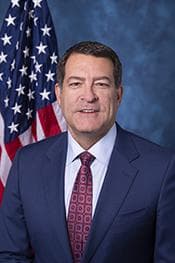
Mark E. Green
Republican Representative
Tennessee
Cosponsors (1)
Ways and Means Committee, Education and Workforce Committee
- Introduced
- In Committee
- On Floor
- Passed Chamber
- Enacted
No Obscene Teaching in Our Schools Act of 2023 or the NOT in Our Schools Act of 2023 This bill prohibits an elementary or secondary school from receiving federal funds if the school is in violation of any law of the state in which the school is located that is related to materials that are harmful to minors. Further, the bill requires a state educational agency to either (1) return the federal funds that were dedicated to the school in violation of such state law; or (2) create and carry out, at the request of parents or legal guardians of eligible children, a 529 education savings plan account program (also known as a qualified tuition program). The bill allows tax-exempt distributions from these 529 plans to be used for additional educational expenses (e.g., curriculum, books, and testing fees) in connection with enrollment or attendance at an elementary or secondary school. Distributions may also be used for tuition and additional expenses in connection with a homeschool (whether treated as a homeschool or a private school under state law).
View Full TextSuggested Questions
Get AI-generated questions to help you understand this bill better
Timeline
Introduced in House
Referred to the Committee on Ways and Means, and in addition to the Committee on Education and the Workforce, for a period to be subsequently determined by the Speaker, in each case for consideration of such provisions as fall within the jurisdiction of the committee concerned.
Education
NOT in Our Schools Act of 2023
USA118th CongressHR-5303| House
| Updated: 8/29/2023
No Obscene Teaching in Our Schools Act of 2023 or the NOT in Our Schools Act of 2023 This bill prohibits an elementary or secondary school from receiving federal funds if the school is in violation of any law of the state in which the school is located that is related to materials that are harmful to minors. Further, the bill requires a state educational agency to either (1) return the federal funds that were dedicated to the school in violation of such state law; or (2) create and carry out, at the request of parents or legal guardians of eligible children, a 529 education savings plan account program (also known as a qualified tuition program). The bill allows tax-exempt distributions from these 529 plans to be used for additional educational expenses (e.g., curriculum, books, and testing fees) in connection with enrollment or attendance at an elementary or secondary school. Distributions may also be used for tuition and additional expenses in connection with a homeschool (whether treated as a homeschool or a private school under state law).
View Full TextSuggested Questions
Get AI-generated questions to help you understand this bill better
Timeline
Introduced in House
Referred to the Committee on Ways and Means, and in addition to the Committee on Education and the Workforce, for a period to be subsequently determined by the Speaker, in each case for consideration of such provisions as fall within the jurisdiction of the committee concerned.
Mark E. Green
Republican Representative
Tennessee
Cosponsors (1)
Ways and Means Committee, Education and Workforce Committee
Education
Related Bills
- Introduced
- In Committee
- On Floor
- Passed Chamber
- Enacted