NO TIME TO Waste Act
USA118th CongressHR-5657| House
| Updated: 1/11/2024
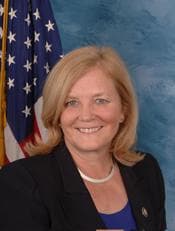
Chellie Pingree
Democratic Representative
Maine
Cosponsors (6)
Agriculture Committee, Nutrition and Foreign Agriculture Subcommittee, Oversight and Government Reform Committee
- Introduced
- In Committee
- On Floor
- Passed Chamber
- Enacted
New Opportunities for Technological Innovation, Mitigation, and Education To Overcome Waste Act or the NO TIME TO Waste Act This bill directs the Department of Agriculture (USDA) to take several actions to reduce U.S. food loss and waste (FLW). Under the bill, food loss means the food that does not reach a consumer as a result of an issue in the production, storage, processing, or distribution phase. Food waste means that food intended for human consumption is unconsumed for any reason at the retail or consumption phase. The bill requires USDA to collaborate with the Food and Drug Administration and the Environmental Protection Agency to carry out a December, 17, 2020, agreement to coordinate federal efforts to cut FLW. Further, USDA must establish an Office of Food Loss and Waste to support the existing role of the Food Loss and Waste Liaison. The office must also, among other things, establish a grant program to support collecting data on existing state and local FLW policies (and the office must use the data to establish model policies for state and local governments); a block grant program for states and Indian tribes to develop and support food recovery infrastructure and innovative food distribution models; and a grant program to incentivize state, municipal, local, and tribal governments to establish public-private partnerships that commit to reducing FLW by 50% by 2030. The Office of Food Loss and Waste must also initiate a national FLW education and public awareness campaign.
View Full TextSuggested Questions
Get AI-generated questions to help you understand this bill better
Timeline
Introduced in House
Referred to the Committee on Agriculture, and in addition to the Committee on Oversight and Accountability, for a period to be subsequently determined by the Speaker, in each case for consideration of such provisions as fall within the jurisdiction of the committee concerned.
Referred to the Subcommittee on Nutrition, Foreign Agriculture, and Horticulture.
Agriculture and Food
Advanced technology and technological innovationsAgricultural conservation and pollutionAgricultural marketing and promotionAgricultural practices and innovationsAnimal and plant healthClimate change and greenhouse gasesCongressional oversightFood industry and servicesFood supply, safety, and labelingIntergovernmental relationsPublic-private cooperationSolid waste and recyclingState and local government operations
NO TIME TO Waste Act
USA118th CongressHR-5657| House
| Updated: 1/11/2024
New Opportunities for Technological Innovation, Mitigation, and Education To Overcome Waste Act or the NO TIME TO Waste Act This bill directs the Department of Agriculture (USDA) to take several actions to reduce U.S. food loss and waste (FLW). Under the bill, food loss means the food that does not reach a consumer as a result of an issue in the production, storage, processing, or distribution phase. Food waste means that food intended for human consumption is unconsumed for any reason at the retail or consumption phase. The bill requires USDA to collaborate with the Food and Drug Administration and the Environmental Protection Agency to carry out a December, 17, 2020, agreement to coordinate federal efforts to cut FLW. Further, USDA must establish an Office of Food Loss and Waste to support the existing role of the Food Loss and Waste Liaison. The office must also, among other things, establish a grant program to support collecting data on existing state and local FLW policies (and the office must use the data to establish model policies for state and local governments); a block grant program for states and Indian tribes to develop and support food recovery infrastructure and innovative food distribution models; and a grant program to incentivize state, municipal, local, and tribal governments to establish public-private partnerships that commit to reducing FLW by 50% by 2030. The Office of Food Loss and Waste must also initiate a national FLW education and public awareness campaign.
View Full TextSuggested Questions
Get AI-generated questions to help you understand this bill better
Timeline
Introduced in House
Referred to the Committee on Agriculture, and in addition to the Committee on Oversight and Accountability, for a period to be subsequently determined by the Speaker, in each case for consideration of such provisions as fall within the jurisdiction of the committee concerned.
Referred to the Subcommittee on Nutrition, Foreign Agriculture, and Horticulture.
Chellie Pingree
Democratic Representative
Maine
Cosponsors (6)
Agriculture Committee, Nutrition and Foreign Agriculture Subcommittee, Oversight and Government Reform Committee
Agriculture and Food
Related Bills
- Introduced
- In Committee
- On Floor
- Passed Chamber
- Enacted
Advanced technology and technological innovationsAgricultural conservation and pollutionAgricultural marketing and promotionAgricultural practices and innovationsAnimal and plant healthClimate change and greenhouse gasesCongressional oversightFood industry and servicesFood supply, safety, and labelingIntergovernmental relationsPublic-private cooperationSolid waste and recyclingState and local government operations