Northern Rockies Ecosystem Protection Act
USA118th CongressS-1531| Senate
| Updated: 5/10/2023
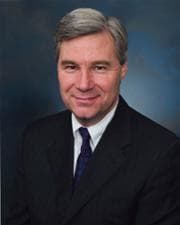
Sheldon Whitehouse
Democratic Senator
Rhode Island
Cosponsors (11)
Jeanne Shaheen (Democratic)Mazie K. Hirono (Democratic)Margaret Wood Hassan (Democratic)Richard J. Durbin (Democratic)Edward J. Markey (Democratic)Elizabeth Warren (Democratic)Debbie Stabenow (Democratic)Bernard Sanders (Independent)Cory A. Booker (Democratic)Robert Menendez (Democratic)Richard Blumenthal (Democratic)
Energy and Natural Resources Committee
- Introduced
- In Committee
- On Floor
- Passed Chamber
- Enacted
Northern Rockies Ecosystem Protection Act This bill designates specified public lands in Idaho, Montana, Oregon, Washington, and Wyoming as wilderness, wild and scenic rivers, wildland recovery areas, and biological connecting corridors. The Department of the Interior and the Forest Service must jointly establish an interagency team, containing an equal number of participants from the public and private sectors, to monitor, evaluate, and make recommendations regarding the results of the bill. The team must also develop a geographic information system for monitoring the Northern Rockies Bioregion and assess the potential for facilitating wildlife movement across or under major highways and rail lines within the biological corridors established by the bill. The bill provides for the temporary closure to the general public of specific portions of protected areas, at the request of an Indian tribe, to protect the privacy of a religious activity or cultural use by an Indian.
View Full TextSuggested Questions
Get AI-generated questions to help you understand this bill better
Timeline
Introduced in Senate
Read twice and referred to the Committee on Energy and Natural Resources.
Public Lands and Natural Resources
Advisory bodiesAir qualityClimate change and greenhouse gasesEcologyFederal-Indian relationsFishesForests, forestry, treesFreedom of informationGovernment information and archivesHistorical and cultural resourcesIdahoIndian lands and resources rightsLand transfersLand use and conservationLicensing and registrationsLivestockMontanaOregonParks, recreation areas, trailsRoads and highwaysWashington StateWater qualityWilderness and natural areas, wildlife refuges, wild rivers, habitatsWildlife conservation and habitat protectionWyoming
Northern Rockies Ecosystem Protection Act
USA118th CongressS-1531| Senate
| Updated: 5/10/2023
Northern Rockies Ecosystem Protection Act This bill designates specified public lands in Idaho, Montana, Oregon, Washington, and Wyoming as wilderness, wild and scenic rivers, wildland recovery areas, and biological connecting corridors. The Department of the Interior and the Forest Service must jointly establish an interagency team, containing an equal number of participants from the public and private sectors, to monitor, evaluate, and make recommendations regarding the results of the bill. The team must also develop a geographic information system for monitoring the Northern Rockies Bioregion and assess the potential for facilitating wildlife movement across or under major highways and rail lines within the biological corridors established by the bill. The bill provides for the temporary closure to the general public of specific portions of protected areas, at the request of an Indian tribe, to protect the privacy of a religious activity or cultural use by an Indian.
View Full TextSuggested Questions
Get AI-generated questions to help you understand this bill better
Timeline
Introduced in Senate
Read twice and referred to the Committee on Energy and Natural Resources.
Sheldon Whitehouse
Democratic Senator
Rhode Island
Cosponsors (11)
Jeanne Shaheen (Democratic)Mazie K. Hirono (Democratic)Margaret Wood Hassan (Democratic)Richard J. Durbin (Democratic)Edward J. Markey (Democratic)Elizabeth Warren (Democratic)Debbie Stabenow (Democratic)Bernard Sanders (Independent)Cory A. Booker (Democratic)Robert Menendez (Democratic)Richard Blumenthal (Democratic)
Energy and Natural Resources Committee
Public Lands and Natural Resources
- Introduced
- In Committee
- On Floor
- Passed Chamber
- Enacted
Advisory bodiesAir qualityClimate change and greenhouse gasesEcologyFederal-Indian relationsFishesForests, forestry, treesFreedom of informationGovernment information and archivesHistorical and cultural resourcesIdahoIndian lands and resources rightsLand transfersLand use and conservationLicensing and registrationsLivestockMontanaOregonParks, recreation areas, trailsRoads and highwaysWashington StateWater qualityWilderness and natural areas, wildlife refuges, wild rivers, habitatsWildlife conservation and habitat protectionWyoming