Increasing Land Access, Security, and Opportunities Act
USA118th CongressS-2340| Senate
| Updated: 7/18/2023
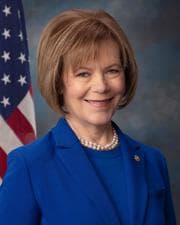
Tina Smith
Democratic Senator
Minnesota
Cosponsors (6)
Agriculture, Nutrition, and Forestry Committee
- Introduced
- In Committee
- On Floor
- Passed Chamber
- Enacted
Increasing Land Access, Security, and Opportunities Act This bill provides statutory authority for and expands the Farm Service Agency's (FSA's) Increasing Land, Capital, and Market Access Program (the Increasing Land Access Program) for farmers, ranchers, and forest owners. Specifically, the FSA must make competitive grants to, enter into cooperative agreements with, or provide other capital support to eligible entities (e.g., state or local governments, Indian tribes, nonprofit organizations, and institutions of higher education) to provide direct assistance to (1) historically underserved farmers, ranchers, and forest owners; (2) farmers, ranchers, and forest owners operating in high-poverty areas; or (3) young and beginning farmers. The bill specifically excludes from assistance any foreign-based or foreign-owned corporation. The direct assistance may include payments to intended beneficiaries to acquire real property (including air rights and water rights), secure clear title on an heirs' property farmland, and improve or remediate land, water, and soil. Eligible entities may also use grants (1) to provide direct assistance to intended beneficiaries in assessing, purchasing, acquiring, or retaining eligible land; (2) for activities designed to support farm establishment and long-term viability; and (3) to provide technical assistance. The FSA must establish a stakeholder committee, and in collaboration with the committee, develop a process for evaluating and selecting applications submitted by eligible entities. The stakeholder committee must include perspectives from a diverse range of stakeholders, including a diverse representation of geographic distribution and farming models, practices, and purposes.
View Full TextSuggested Questions
Get AI-generated questions to help you understand this bill better
Timeline
Introduced in Senate
Read twice and referred to the Committee on Agriculture, Nutrition, and Forestry.
Latest Companion Bill Action
HR 118-3955Referred to the Subcommittee on General Farm Commodities, Risk Management, and Credit.
Agriculture and Food
Agricultural conservation and pollutionAgricultural educationAgricultural marketing and promotionAgricultural practices and innovationsAgricultural prices, subsidies, creditFarmlandForeign language and bilingual programsIndian lands and resources rightsLand transfersPublic-private cooperationRural conditions and developmentState and local government operations
Increasing Land Access, Security, and Opportunities Act
USA118th CongressS-2340| Senate
| Updated: 7/18/2023
Increasing Land Access, Security, and Opportunities Act This bill provides statutory authority for and expands the Farm Service Agency's (FSA's) Increasing Land, Capital, and Market Access Program (the Increasing Land Access Program) for farmers, ranchers, and forest owners. Specifically, the FSA must make competitive grants to, enter into cooperative agreements with, or provide other capital support to eligible entities (e.g., state or local governments, Indian tribes, nonprofit organizations, and institutions of higher education) to provide direct assistance to (1) historically underserved farmers, ranchers, and forest owners; (2) farmers, ranchers, and forest owners operating in high-poverty areas; or (3) young and beginning farmers. The bill specifically excludes from assistance any foreign-based or foreign-owned corporation. The direct assistance may include payments to intended beneficiaries to acquire real property (including air rights and water rights), secure clear title on an heirs' property farmland, and improve or remediate land, water, and soil. Eligible entities may also use grants (1) to provide direct assistance to intended beneficiaries in assessing, purchasing, acquiring, or retaining eligible land; (2) for activities designed to support farm establishment and long-term viability; and (3) to provide technical assistance. The FSA must establish a stakeholder committee, and in collaboration with the committee, develop a process for evaluating and selecting applications submitted by eligible entities. The stakeholder committee must include perspectives from a diverse range of stakeholders, including a diverse representation of geographic distribution and farming models, practices, and purposes.
View Full TextSuggested Questions
Get AI-generated questions to help you understand this bill better
Timeline
Introduced in Senate
Read twice and referred to the Committee on Agriculture, Nutrition, and Forestry.
Latest Companion Bill Action
HR 118-3955Referred to the Subcommittee on General Farm Commodities, Risk Management, and Credit.
Tina Smith
Democratic Senator
Minnesota
Cosponsors (6)
Agriculture, Nutrition, and Forestry Committee
Agriculture and Food
- Introduced
- In Committee
- On Floor
- Passed Chamber
- Enacted
Agricultural conservation and pollutionAgricultural educationAgricultural marketing and promotionAgricultural practices and innovationsAgricultural prices, subsidies, creditFarmlandForeign language and bilingual programsIndian lands and resources rightsLand transfersPublic-private cooperationRural conditions and developmentState and local government operations