Protecting Consumers from Bailouts Act
USA118th CongressS-825| Senate
| Updated: 3/15/2023
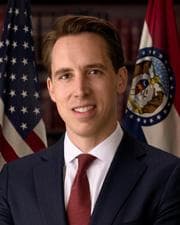
Josh Hawley
Republican Senator
Missouri
Cosponsors (1)
Banking, Housing, and Urban Affairs Committee
- Introduced
- In Committee
- On Floor
- Passed Chamber
- Enacted
Protecting Consumers from Bailouts Act This bill places limitations on special assessments imposed by the Federal Deposit Insurance Corporation (FDIC) on banks. (After the FDIC assists an institution in an emergency such as a bank failure, these special assessments are levied by the FDIC to recover costs.) The bill also grants the FDIC authority to recover certain compensation paid to an officer. Specifically, the bill prohibits the FDIC from imposing a special assessment on banks with assets under $10 billion. The bill also prohibits depository institutions that are required to pay a special assessment in connection with the March 2023 emergency involving Silicon Valley Bank and Signature Bank from increasing customer fees or charges to offset these costs. The bill also grants the FDIC the authority to seek reimbursement of any incentive-based compensation paid during the previous year to an officer of an institution in FDIC receivership.
View Full TextSuggested Questions
Get AI-generated questions to help you understand this bill better
Timeline
Introduced in Senate
Read twice and referred to the Committee on Banking, Housing, and Urban Affairs.
Finance and Financial Sector
Protecting Consumers from Bailouts Act
USA118th CongressS-825| Senate
| Updated: 3/15/2023
Protecting Consumers from Bailouts Act This bill places limitations on special assessments imposed by the Federal Deposit Insurance Corporation (FDIC) on banks. (After the FDIC assists an institution in an emergency such as a bank failure, these special assessments are levied by the FDIC to recover costs.) The bill also grants the FDIC authority to recover certain compensation paid to an officer. Specifically, the bill prohibits the FDIC from imposing a special assessment on banks with assets under $10 billion. The bill also prohibits depository institutions that are required to pay a special assessment in connection with the March 2023 emergency involving Silicon Valley Bank and Signature Bank from increasing customer fees or charges to offset these costs. The bill also grants the FDIC the authority to seek reimbursement of any incentive-based compensation paid during the previous year to an officer of an institution in FDIC receivership.
View Full TextSuggested Questions
Get AI-generated questions to help you understand this bill better
Timeline
Introduced in Senate
Read twice and referred to the Committee on Banking, Housing, and Urban Affairs.
Josh Hawley
Republican Senator
Missouri
Cosponsors (1)
Banking, Housing, and Urban Affairs Committee
Finance and Financial Sector
- Introduced
- In Committee
- On Floor
- Passed Chamber
- Enacted