START Housing Act of 2025
USA119th CongressHR-1231| House
| Updated: 2/12/2025
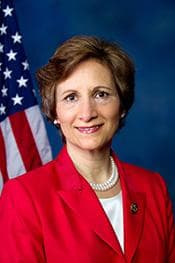
Suzanne Bonamici
Democratic Representative
Oregon
Cosponsors (8)
Financial Services Committee
- Introduced
- In Committee
- On Floor
- Passed Chamber
- Enacted
This legislation, titled the START Housing Act of 2025 , reauthorizes and significantly expands a pilot program aimed at providing stable housing for individuals in recovery from a substance use disorder. It extends the program's authorization from 2026 through 2031 and eliminates the previous two-year limit on an individual's participation, allowing for longer-term support. The Department of Housing and Urban Development, specifically through its Office of Community Planning and Development, will oversee the program's implementation. The bill revises the criteria for prioritizing states to receive funding, focusing on those with the greatest need as determined by factors such as high unemployment rates, low labor force participation, high drug overdose death rates, and high rates of unsheltered homelessness. States receiving funds must ensure the program offers effective, low-barrier housing with an expectation of stable housing upon exit, and funds must supplement, not supplant, existing state or local resources. Additionally, states are required to consult with continuums of care and public housing agencies, and up to two percent of funds may be used for technical assistance and outreach.
View Full TextSuggested Questions
Get AI-generated questions to help you understand this bill better
Timeline
Introduced in House
Referred to the House Committee on Financial Services.
Housing and Community Development
Drug, alcohol, tobacco useHomelessness and emergency shelterLow- and moderate-income housingMental healthPublic housingUnemployment
START Housing Act of 2025
USA119th CongressHR-1231| House
| Updated: 2/12/2025
This legislation, titled the START Housing Act of 2025 , reauthorizes and significantly expands a pilot program aimed at providing stable housing for individuals in recovery from a substance use disorder. It extends the program's authorization from 2026 through 2031 and eliminates the previous two-year limit on an individual's participation, allowing for longer-term support. The Department of Housing and Urban Development, specifically through its Office of Community Planning and Development, will oversee the program's implementation. The bill revises the criteria for prioritizing states to receive funding, focusing on those with the greatest need as determined by factors such as high unemployment rates, low labor force participation, high drug overdose death rates, and high rates of unsheltered homelessness. States receiving funds must ensure the program offers effective, low-barrier housing with an expectation of stable housing upon exit, and funds must supplement, not supplant, existing state or local resources. Additionally, states are required to consult with continuums of care and public housing agencies, and up to two percent of funds may be used for technical assistance and outreach.
View Full TextSuggested Questions
Get AI-generated questions to help you understand this bill better
Timeline
Introduced in House
Referred to the House Committee on Financial Services.
Suzanne Bonamici
Democratic Representative
Oregon
Cosponsors (8)
Financial Services Committee
Housing and Community Development
- Introduced
- In Committee
- On Floor
- Passed Chamber
- Enacted
Drug, alcohol, tobacco useHomelessness and emergency shelterLow- and moderate-income housingMental healthPublic housingUnemployment