Rio San José and Rio Jemez Water Settlements Act of 2025
USA119th CongressHR-1322| House
| Updated: 2/13/2025
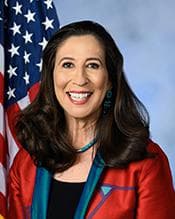
Teresa Leger Fernandez
Democratic Representative
New Mexico
Natural Resources Committee
- Introduced
- In Committee
- On Floor
- Passed Chamber
- Enacted
The bill, known as the "Rio San Jose and Rio Jemez Water Settlements Act of 2025," aims to achieve a fair, equitable, and final resolution of long-standing water rights claims for four New Mexico Pueblos. It addresses the Pueblos of Acoma and Laguna in the Rio San Jose Stream System and the Pueblos of Jemez and Zia in the Rio Jemez Stream System. The legislation authorizes and ratifies specific settlement agreements, directing the Secretary of the Interior to execute them and take necessary actions for implementation. For the Pueblos of Acoma and Laguna, the bill establishes three trust funds: the Pueblo of Acoma Settlement Trust Fund, the Pueblo of Laguna Settlement Trust Fund, and the Acomita Reservoir Works Trust Fund. These funds are allocated for various purposes, including acquiring water rights, developing and maintaining water infrastructure, conducting feasibility studies, and managing Pueblo Water Rights. Federal appropriations for these Pueblos total over $845 million, with additional state cost-shares designated for specific projects and to mitigate impacts on non-Pueblo water users. Similarly, for the Pueblos of Jemez and Zia, the bill establishes the Pueblo of Jemez Settlement Trust Fund and the Pueblo of Zia Settlement Trust Fund. These funds, totaling $490 million in federal appropriations, are intended for water infrastructure development, watershed protection, economic development, and water rights administration. The State of New Mexico also contributes funds for community ditch improvements and to address potential groundwater impairment. A central provision of the bill is the Pueblo Water Rights , which are to be held in trust by the United States and are explicitly protected from loss due to non-use, forfeiture, or abandonment. The Pueblos are granted authority to allocate, distribute, and lease these water rights on and off their lands, subject to federal approval for off-Pueblo use. In exchange for these benefits, the Pueblos and the United States, acting as trustee, must execute waivers and releases of claims for past and present water rights and related damages within their respective stream systems. The effectiveness of these settlements hinges on an Enforceability Date , which is triggered when several conditions are met. These conditions include the amendment and execution of the agreements by all parties, the appropriation and deposit of all federal funds, the provision of state cost-share funding and enactment of state legislation allowing 99-year water right leases, and the approval of the agreements by the relevant courts. If the Enforceability Date is not reached by July 1, 2030, the titles of the bill will expire, rendering the waivers void and requiring the return of unexpended federal funds. The bill also includes provisions for environmental compliance , requiring both the Secretary and the Pueblos to adhere to laws like the Endangered Species Act and the National Environmental Policy Act. It clarifies that the United States' sovereign immunity is not waived and that the water rights of other tribes or individual allottees are not diminished. The legislation ensures that the benefits provided fully satisfy the waived claims against the United States.
Suggested Questions
Get AI-generated questions to help you understand this bill better
Timeline
Introduced in House
Referred to the House Committee on Natural Resources.
Latest Companion Bill Action
S 119-562Committee on Indian Affairs. Ordered to be reported without amendment favorably.
Native Americans
Federal-Indian relationsGovernment trust fundsIndian claimsIndian lands and resources rightsNew MexicoWater qualityWater use and supply
Rio San José and Rio Jemez Water Settlements Act of 2025
USA119th CongressHR-1322| House
| Updated: 2/13/2025
The bill, known as the "Rio San Jose and Rio Jemez Water Settlements Act of 2025," aims to achieve a fair, equitable, and final resolution of long-standing water rights claims for four New Mexico Pueblos. It addresses the Pueblos of Acoma and Laguna in the Rio San Jose Stream System and the Pueblos of Jemez and Zia in the Rio Jemez Stream System. The legislation authorizes and ratifies specific settlement agreements, directing the Secretary of the Interior to execute them and take necessary actions for implementation. For the Pueblos of Acoma and Laguna, the bill establishes three trust funds: the Pueblo of Acoma Settlement Trust Fund, the Pueblo of Laguna Settlement Trust Fund, and the Acomita Reservoir Works Trust Fund. These funds are allocated for various purposes, including acquiring water rights, developing and maintaining water infrastructure, conducting feasibility studies, and managing Pueblo Water Rights. Federal appropriations for these Pueblos total over $845 million, with additional state cost-shares designated for specific projects and to mitigate impacts on non-Pueblo water users. Similarly, for the Pueblos of Jemez and Zia, the bill establishes the Pueblo of Jemez Settlement Trust Fund and the Pueblo of Zia Settlement Trust Fund. These funds, totaling $490 million in federal appropriations, are intended for water infrastructure development, watershed protection, economic development, and water rights administration. The State of New Mexico also contributes funds for community ditch improvements and to address potential groundwater impairment. A central provision of the bill is the Pueblo Water Rights , which are to be held in trust by the United States and are explicitly protected from loss due to non-use, forfeiture, or abandonment. The Pueblos are granted authority to allocate, distribute, and lease these water rights on and off their lands, subject to federal approval for off-Pueblo use. In exchange for these benefits, the Pueblos and the United States, acting as trustee, must execute waivers and releases of claims for past and present water rights and related damages within their respective stream systems. The effectiveness of these settlements hinges on an Enforceability Date , which is triggered when several conditions are met. These conditions include the amendment and execution of the agreements by all parties, the appropriation and deposit of all federal funds, the provision of state cost-share funding and enactment of state legislation allowing 99-year water right leases, and the approval of the agreements by the relevant courts. If the Enforceability Date is not reached by July 1, 2030, the titles of the bill will expire, rendering the waivers void and requiring the return of unexpended federal funds. The bill also includes provisions for environmental compliance , requiring both the Secretary and the Pueblos to adhere to laws like the Endangered Species Act and the National Environmental Policy Act. It clarifies that the United States' sovereign immunity is not waived and that the water rights of other tribes or individual allottees are not diminished. The legislation ensures that the benefits provided fully satisfy the waived claims against the United States.
Suggested Questions
Get AI-generated questions to help you understand this bill better
Timeline
Introduced in House
Referred to the House Committee on Natural Resources.
Latest Companion Bill Action
S 119-562Committee on Indian Affairs. Ordered to be reported without amendment favorably.
Teresa Leger Fernandez
Democratic Representative
New Mexico
Natural Resources Committee
Native Americans
- Introduced
- In Committee
- On Floor
- Passed Chamber
- Enacted
Federal-Indian relationsGovernment trust fundsIndian claimsIndian lands and resources rightsNew MexicoWater qualityWater use and supply