Wildfire Response Improvement Act
USA119th CongressHR-1393| House
| Updated: 2/14/2025
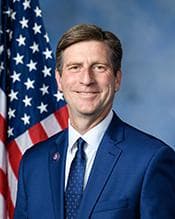
Greg Stanton
Democratic Representative
Arizona
Cosponsors (2)
Transportation and Infrastructure Committee, Economic Development, Public Buildings, and Emergency Management Subcommittee
- Introduced
- In Committee
- On Floor
- Passed Chamber
- Enacted
This bill primarily directs the Administrator of the Federal Emergency Management Agency (FEMA) to conduct a comprehensive review of the criteria used to evaluate the cost-effectiveness of projects aimed at mitigating wildfire impacts. This review specifically includes considerations for pre-calculated benefits for defensible space, the use of nature-based infrastructure, vegetation management, and strategies to reduce the negative effects of wildfire smoke on public health and water infrastructure. Following this review, FEMA must issue updated guidance within one year to revise these criteria and prioritize mitigation projects accordingly. Furthermore, the legislation mandates that FEMA recommend regulations or guidance within one year to ensure that assessments and emergency stabilization efforts are eligible for the fire management assistance program , irrespective of the incident period for a declared fire. It also requires FEMA to amend its Public Assistance Program and Policy Guide to incorporate guidance on unique wildfire-specific recovery challenges , such as debris removal, emergency protective measures, and the resulting toxicity of drinking water resources.
Suggested Questions
Get AI-generated questions to help you understand this bill better
Timeline
Introduced in House
Referred to the Subcommittee on Economic Development, Public Buildings, and Emergency Management.
Referred to the House Committee on Transportation and Infrastructure.
Emergency Management
Wildfire Response Improvement Act
USA119th CongressHR-1393| House
| Updated: 2/14/2025
This bill primarily directs the Administrator of the Federal Emergency Management Agency (FEMA) to conduct a comprehensive review of the criteria used to evaluate the cost-effectiveness of projects aimed at mitigating wildfire impacts. This review specifically includes considerations for pre-calculated benefits for defensible space, the use of nature-based infrastructure, vegetation management, and strategies to reduce the negative effects of wildfire smoke on public health and water infrastructure. Following this review, FEMA must issue updated guidance within one year to revise these criteria and prioritize mitigation projects accordingly. Furthermore, the legislation mandates that FEMA recommend regulations or guidance within one year to ensure that assessments and emergency stabilization efforts are eligible for the fire management assistance program , irrespective of the incident period for a declared fire. It also requires FEMA to amend its Public Assistance Program and Policy Guide to incorporate guidance on unique wildfire-specific recovery challenges , such as debris removal, emergency protective measures, and the resulting toxicity of drinking water resources.
Suggested Questions
Get AI-generated questions to help you understand this bill better
Timeline
Introduced in House
Referred to the Subcommittee on Economic Development, Public Buildings, and Emergency Management.
Referred to the House Committee on Transportation and Infrastructure.
Greg Stanton
Democratic Representative
Arizona
Cosponsors (2)
Transportation and Infrastructure Committee, Economic Development, Public Buildings, and Emergency Management Subcommittee
Emergency Management
- Introduced
- In Committee
- On Floor
- Passed Chamber
- Enacted