Regulations from the Executive in Need of Scrutiny Act of 2025
USA119th CongressHR-142| House
| Updated: 1/3/2025
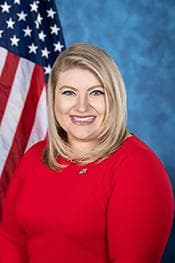
Kat Cammack
Republican Representative
Florida
Cosponsors (93)
Dusty Johnson (Republican)David Schweikert (Republican)Paul A. Gosar (Republican)Chip Roy (Republican)Barry Moore (Republican)Adrian Smith (Republican)Clay Higgins (Republican)Frank D. Lucas (Republican)John R. Carter (Republican)Marjorie Taylor Greene (Republican)Tim Burchett (Republican)Guy Reschenthaler (Republican)Ashley Hinson (Republican)Jeff Crank (Republican)Steve Womack (Republican)Jefferson Van Drew (Republican)David J. Taylor (Republican)Scott Franklin (Republican)Rick W. Allen (Republican)Robert J. Wittman (Republican)Zachary Nunn (Republican)Glenn Thompson (Republican)Mariannette Miller-Meeks (Republican)Aaron Bean (Republican)Derek Schmidt (Republican)William R. Timmons (Republican)Tom McClintock (Republican)Pete Sessions (Republican)David Rouzer (Republican)Andy Biggs (Republican)Brandon Gill (Republican)Brad Knott (Republican)Earl L. "Buddy" Carter (Republican)Andrew R. Garbarino (Republican)Ken Calvert (Republican)Michael A. Rulli (Republican)Thomas Massie (Republican)Scott Perry (Republican)Rudy Yakym (Republican)Lloyd Smucker (Republican)Anna Paulina Luna (Republican)H. Morgan Griffith (Republican)Daniel Meuser (Republican)Don Bacon (Republican)Andy Barr (Republican)Darrell Issa (Republican)Mike Flood (Republican)Carol D. Miller (Republican)Mike D. Rogers (Republican)Richard Hudson (Republican)Brad Finstad (Republican)Nicholas A. Langworthy (Republican)Ron Estes (Republican)Blake D. Moore (Republican)John H. Rutherford (Republican)Laurel M. Lee (Republican)Scott Fitzgerald (Republican)Harriet M. Hageman (Republican)Michael Cloud (Republican)August Pfluger (Republican)Mike Haridopolos (Republican)Lauren Boebert (Republican)Byron Donalds (Republican)Pat Harrigan (Republican)Gary J. Palmer (Republican)Tony Gonzales (Republican)Russell Fry (Republican)David G. Valadao (Republican)Addison P. McDowell (Republican)John W. Rose (Republican)Derrick Van Orden (Republican)Tom Emmer (Republican)Dan Crenshaw (Republican)Bill Huizenga (Republican)Max L. Miller (Republican)Jay Obernolte (Republican)Randy Feenstra (Republican)Juan Ciscomani (Republican)Kevin Hern (Republican)Tom Barrett (Republican)Randy K. Sr. Weber (Republican)Ben Cline (Republican)Chuck Edwards (Republican)Russ Fulcher (Republican)Mark Harris (Republican)Robert P. Bresnahan (Republican)Erin Houchin (Republican)Jack Bergman (Republican)Tracey Mann (Republican)Julie Fedorchak (Republican)Brian Babin (Republican)Tim Moore (Republican)Cory Mills (Republican)
Rules Committee, Judiciary Committee, Budget Committee
- Introduced
- In Committee
- On Floor
- Passed Chamber
- Enacted
This bill, titled the Regulations from the Executive in Need of Scrutiny Act of 2025, seeks to enhance accountability and transparency within the federal regulatory process. It mandates that major rules issued by executive branch agencies cannot take effect unless Congress enacts a joint resolution of approval. This mechanism is intended to reassert Congress's legislative authority and ensure greater oversight of significant regulations imposed on the American people. Before a major rule can become effective, the promulgating agency must submit a comprehensive report to Congress and the Comptroller General. This report must include a copy of the rule, a classification as major or nonmajor, and a detailed cost-benefit analysis , including an assessment of jobs added or lost. The Comptroller General is then required to provide an independent assessment of the agency's compliance and the rule's potential impact on private-sector activity. If Congress does not enact a joint resolution of approval for a major rule within 70 session or legislative days, the rule is deemed not approved and cannot take effect. A major rule is defined as one likely to have an annual economic effect of $100 million or more, cause major cost increases, or significantly harm competition, employment, or innovation. Nonmajor rules, however, can take effect unless Congress passes a joint resolution of disapproval. The bill includes limited exceptions, allowing a major rule to take effect for a 90-day period if the President determines it is necessary due to an imminent threat to health or safety, for criminal law enforcement, national security, or international trade agreements. Rules concerning monetary policy by the Federal Reserve are explicitly exempt from these requirements. Finally, the legislation directs the Government Accountability Office to conduct a study on the total number and economic cost of all federal rules in effect, with a report due to Congress within one year.
Suggested Questions
Get AI-generated questions to help you understand this bill better
Timeline
Bill from Previous Congress
HR 116-3972Regulations from the Executive in Need of Scrutiny Act of 2019
Bill from Previous Congress
HR 118-9648Regulations from the Executive in Need of Scrutiny Act of 2024
Bill from Previous Congress
HR 117-1776Regulations from the Executive in Need of Scrutiny Act of 2021
Introduced in House
Referred to the Committee on the Judiciary, and in addition to the Committees on Rules, and the Budget, for a period to be subsequently determined by the Speaker, in each case for consideration of such provisions as fall within the jurisdiction of the committee concerned.
Government Operations and Politics
Administrative law and regulatory proceduresAdvanced technology and technological innovationsBudget deficits and national debtBusiness investment and capitalCompetition and antitrustCompetitiveness, trade promotion, trade deficitsCongressional-executive branch relationsCongressional oversightEconomic performance and conditionsGovernment information and archivesGovernment studies and investigationsIndustrial policy and productivityInflation and pricesJudicial review and appealsLegislative rules and procedureMonetary policyUnemployment
Regulations from the Executive in Need of Scrutiny Act of 2025
USA119th CongressHR-142| House
| Updated: 1/3/2025
This bill, titled the Regulations from the Executive in Need of Scrutiny Act of 2025, seeks to enhance accountability and transparency within the federal regulatory process. It mandates that major rules issued by executive branch agencies cannot take effect unless Congress enacts a joint resolution of approval. This mechanism is intended to reassert Congress's legislative authority and ensure greater oversight of significant regulations imposed on the American people. Before a major rule can become effective, the promulgating agency must submit a comprehensive report to Congress and the Comptroller General. This report must include a copy of the rule, a classification as major or nonmajor, and a detailed cost-benefit analysis , including an assessment of jobs added or lost. The Comptroller General is then required to provide an independent assessment of the agency's compliance and the rule's potential impact on private-sector activity. If Congress does not enact a joint resolution of approval for a major rule within 70 session or legislative days, the rule is deemed not approved and cannot take effect. A major rule is defined as one likely to have an annual economic effect of $100 million or more, cause major cost increases, or significantly harm competition, employment, or innovation. Nonmajor rules, however, can take effect unless Congress passes a joint resolution of disapproval. The bill includes limited exceptions, allowing a major rule to take effect for a 90-day period if the President determines it is necessary due to an imminent threat to health or safety, for criminal law enforcement, national security, or international trade agreements. Rules concerning monetary policy by the Federal Reserve are explicitly exempt from these requirements. Finally, the legislation directs the Government Accountability Office to conduct a study on the total number and economic cost of all federal rules in effect, with a report due to Congress within one year.
Suggested Questions
Get AI-generated questions to help you understand this bill better
Timeline
Bill from Previous Congress
HR 116-3972Regulations from the Executive in Need of Scrutiny Act of 2019
Bill from Previous Congress
HR 118-9648Regulations from the Executive in Need of Scrutiny Act of 2024
Bill from Previous Congress
HR 117-1776Regulations from the Executive in Need of Scrutiny Act of 2021
Introduced in House
Referred to the Committee on the Judiciary, and in addition to the Committees on Rules, and the Budget, for a period to be subsequently determined by the Speaker, in each case for consideration of such provisions as fall within the jurisdiction of the committee concerned.
Kat Cammack
Republican Representative
Florida
Cosponsors (93)
Dusty Johnson (Republican)David Schweikert (Republican)Paul A. Gosar (Republican)Chip Roy (Republican)Barry Moore (Republican)Adrian Smith (Republican)Clay Higgins (Republican)Frank D. Lucas (Republican)John R. Carter (Republican)Marjorie Taylor Greene (Republican)Tim Burchett (Republican)Guy Reschenthaler (Republican)Ashley Hinson (Republican)Jeff Crank (Republican)Steve Womack (Republican)Jefferson Van Drew (Republican)David J. Taylor (Republican)Scott Franklin (Republican)Rick W. Allen (Republican)Robert J. Wittman (Republican)Zachary Nunn (Republican)Glenn Thompson (Republican)Mariannette Miller-Meeks (Republican)Aaron Bean (Republican)Derek Schmidt (Republican)William R. Timmons (Republican)Tom McClintock (Republican)Pete Sessions (Republican)David Rouzer (Republican)Andy Biggs (Republican)Brandon Gill (Republican)Brad Knott (Republican)Earl L. "Buddy" Carter (Republican)Andrew R. Garbarino (Republican)Ken Calvert (Republican)Michael A. Rulli (Republican)Thomas Massie (Republican)Scott Perry (Republican)Rudy Yakym (Republican)Lloyd Smucker (Republican)Anna Paulina Luna (Republican)H. Morgan Griffith (Republican)Daniel Meuser (Republican)Don Bacon (Republican)Andy Barr (Republican)Darrell Issa (Republican)Mike Flood (Republican)Carol D. Miller (Republican)Mike D. Rogers (Republican)Richard Hudson (Republican)Brad Finstad (Republican)Nicholas A. Langworthy (Republican)Ron Estes (Republican)Blake D. Moore (Republican)John H. Rutherford (Republican)Laurel M. Lee (Republican)Scott Fitzgerald (Republican)Harriet M. Hageman (Republican)Michael Cloud (Republican)August Pfluger (Republican)Mike Haridopolos (Republican)Lauren Boebert (Republican)Byron Donalds (Republican)Pat Harrigan (Republican)Gary J. Palmer (Republican)Tony Gonzales (Republican)Russell Fry (Republican)David G. Valadao (Republican)Addison P. McDowell (Republican)John W. Rose (Republican)Derrick Van Orden (Republican)Tom Emmer (Republican)Dan Crenshaw (Republican)Bill Huizenga (Republican)Max L. Miller (Republican)Jay Obernolte (Republican)Randy Feenstra (Republican)Juan Ciscomani (Republican)Kevin Hern (Republican)Tom Barrett (Republican)Randy K. Sr. Weber (Republican)Ben Cline (Republican)Chuck Edwards (Republican)Russ Fulcher (Republican)Mark Harris (Republican)Robert P. Bresnahan (Republican)Erin Houchin (Republican)Jack Bergman (Republican)Tracey Mann (Republican)Julie Fedorchak (Republican)Brian Babin (Republican)Tim Moore (Republican)Cory Mills (Republican)
Rules Committee, Judiciary Committee, Budget Committee
Government Operations and Politics
- Introduced
- In Committee
- On Floor
- Passed Chamber
- Enacted
Administrative law and regulatory proceduresAdvanced technology and technological innovationsBudget deficits and national debtBusiness investment and capitalCompetition and antitrustCompetitiveness, trade promotion, trade deficitsCongressional-executive branch relationsCongressional oversightEconomic performance and conditionsGovernment information and archivesGovernment studies and investigationsIndustrial policy and productivityInflation and pricesJudicial review and appealsLegislative rules and procedureMonetary policyUnemployment