Kids’ Access to Primary Care Act of 2025
USA119th CongressHR-1433| House
| Updated: 2/18/2025
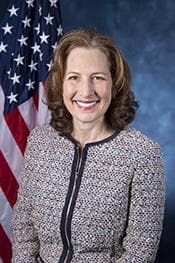
Kim Schrier
Democratic Representative
Washington
Cosponsors (10)
Energy and Commerce Committee
- Introduced
- In Committee
- On Floor
- Passed Chamber
- Enacted
This bill aims to enhance access to primary care services for Medicaid beneficiaries by renewing a provision that requires states to pay primary care providers at rates comparable to Medicare. Specifically, it mandates that Medicaid reimbursement for primary care services be no less than 100 percent of the Medicare Part B payment rate, or the 2009 Medicare rate if higher. This reestablishes a payment floor that was previously in effect for a limited period. The legislation significantly expands the types of providers eligible for these enhanced rates. Beyond family medicine, general internal medicine, and pediatric physicians, it now includes board-certified obstetrics and gynecology physicians and subspecialists in these fields. Additionally, advanced practice clinicians, rural health clinics, Federally-qualified health centers, nurse practitioners, physician assistants, and certified nurse-midwives are also covered, provided they meet specific supervision or state law requirements. To ensure proper implementation, the bill requires Medicaid managed care entities to comply with these payment rate requirements and provide documentation to states. It also excludes emergency department services from qualifying for the enhanced primary care rates, aiming to improve targeting. Finally, the Secretary of Health and Human Services is directed to conduct a study on the policy's impact, comparing child enrollment, provider participation, and payment rates before and after its enactment.
Suggested Questions
Get AI-generated questions to help you understand this bill better
Timeline
Introduced in House
Referred to the House Committee on Energy and Commerce.
Health
Child healthGovernment studies and investigationsHealth personnelHealth promotion and preventive careMedicaidMedical tests and diagnostic methodsMedicareNursingWomen's health
Kids’ Access to Primary Care Act of 2025
USA119th CongressHR-1433| House
| Updated: 2/18/2025
This bill aims to enhance access to primary care services for Medicaid beneficiaries by renewing a provision that requires states to pay primary care providers at rates comparable to Medicare. Specifically, it mandates that Medicaid reimbursement for primary care services be no less than 100 percent of the Medicare Part B payment rate, or the 2009 Medicare rate if higher. This reestablishes a payment floor that was previously in effect for a limited period. The legislation significantly expands the types of providers eligible for these enhanced rates. Beyond family medicine, general internal medicine, and pediatric physicians, it now includes board-certified obstetrics and gynecology physicians and subspecialists in these fields. Additionally, advanced practice clinicians, rural health clinics, Federally-qualified health centers, nurse practitioners, physician assistants, and certified nurse-midwives are also covered, provided they meet specific supervision or state law requirements. To ensure proper implementation, the bill requires Medicaid managed care entities to comply with these payment rate requirements and provide documentation to states. It also excludes emergency department services from qualifying for the enhanced primary care rates, aiming to improve targeting. Finally, the Secretary of Health and Human Services is directed to conduct a study on the policy's impact, comparing child enrollment, provider participation, and payment rates before and after its enactment.
Suggested Questions
Get AI-generated questions to help you understand this bill better
Timeline
Introduced in House
Referred to the House Committee on Energy and Commerce.
Kim Schrier
Democratic Representative
Washington
Cosponsors (10)
Energy and Commerce Committee
Health
Related Bills
- Introduced
- In Committee
- On Floor
- Passed Chamber
- Enacted
Child healthGovernment studies and investigationsHealth personnelHealth promotion and preventive careMedicaidMedical tests and diagnostic methodsMedicareNursingWomen's health