Public Safety Free Speech Act
USA119th CongressHR-1443| House
| Updated: 2/18/2025
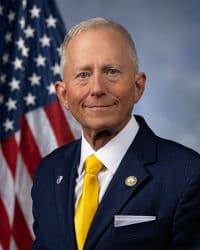
Jefferson Van Drew
Republican Representative
New Jersey
Cosponsors (14)
Donald Norcross (Democratic)Yassamin Ansari (Democratic)Chris Pappas (Democratic)Laura Gillen (Democratic)Eugene Simon Vindman (Democratic)Dina Titus (Democratic)Steve Cohen (Democratic)Don Bacon (Republican)Andy Barr (Republican)John B. Larson (Democratic)Suhas Subramanyam (Democratic)Jahana Hayes (Democratic)Joe Neguse (Democratic)Julia Brownley (Democratic)
Judiciary Committee
- Introduced
- In Committee
- On Floor
- Passed Chamber
- Enacted
This bill, titled the "Public Safety Free Speech Act," aims to safeguard the free speech rights of public safety officers by creating a federal cause of action against employers who take adverse employment actions. It defines "covered employees" broadly to include qualified law enforcement officers , individuals providing fire-fighting services , and those in emergency medical services . Employers, ranging from law enforcement agencies to various governmental subdivisions, are prohibited from retaliating against these employees for expressing personal opinions. The protected speech encompasses a wide array of topics, including the delivery of public safety services, employee compensation and benefits, working conditions, and employer policies, as well as political and religious opinions. If an employer violates these protections, a prevailing plaintiff may receive various forms of relief, such as actual damages, compensatory damages, punitive damages, injunctive relief , and attorneys' fees. However, the Act includes limitations, specifying that protection does not extend to comments made while on duty, speech encouraging violence, advocating discrimination, intentionally disclosing confidential information, or suggesting the withholding of essential services.
View Full TextSuggested Questions
Get AI-generated questions to help you understand this bill better
Timeline
Introduced in House
Referred to the House Committee on the Judiciary.
Labor and Employment
Public Safety Free Speech Act
USA119th CongressHR-1443| House
| Updated: 2/18/2025
This bill, titled the "Public Safety Free Speech Act," aims to safeguard the free speech rights of public safety officers by creating a federal cause of action against employers who take adverse employment actions. It defines "covered employees" broadly to include qualified law enforcement officers , individuals providing fire-fighting services , and those in emergency medical services . Employers, ranging from law enforcement agencies to various governmental subdivisions, are prohibited from retaliating against these employees for expressing personal opinions. The protected speech encompasses a wide array of topics, including the delivery of public safety services, employee compensation and benefits, working conditions, and employer policies, as well as political and religious opinions. If an employer violates these protections, a prevailing plaintiff may receive various forms of relief, such as actual damages, compensatory damages, punitive damages, injunctive relief , and attorneys' fees. However, the Act includes limitations, specifying that protection does not extend to comments made while on duty, speech encouraging violence, advocating discrimination, intentionally disclosing confidential information, or suggesting the withholding of essential services.
View Full TextSuggested Questions
Get AI-generated questions to help you understand this bill better
Timeline
Introduced in House
Referred to the House Committee on the Judiciary.
Jefferson Van Drew
Republican Representative
New Jersey
Cosponsors (14)
Donald Norcross (Democratic)Yassamin Ansari (Democratic)Chris Pappas (Democratic)Laura Gillen (Democratic)Eugene Simon Vindman (Democratic)Dina Titus (Democratic)Steve Cohen (Democratic)Don Bacon (Republican)Andy Barr (Republican)John B. Larson (Democratic)Suhas Subramanyam (Democratic)Jahana Hayes (Democratic)Joe Neguse (Democratic)Julia Brownley (Democratic)
Judiciary Committee
Labor and Employment
Related Bills
- Introduced
- In Committee
- On Floor
- Passed Chamber
- Enacted