DOC Access Act of 2025
USA119th CongressHR-1521| House
| Updated: 2/24/2025
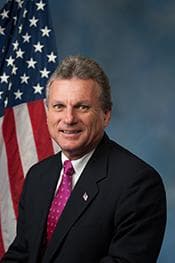
Earl L. "Buddy" Carter
Republican Representative
Georgia
Cosponsors (101)
John W. Mannion (Democratic)Diana Harshbarger (Republican)Donald Norcross (Democratic)Yassamin Ansari (Democratic)Elise M. Stefanik (Republican)Jonathan L. Jackson (Democratic)Trent Kelly (Republican)Chris Pappas (Democratic)Guy Reschenthaler (Republican)Ritchie Torres (Democratic)Marie Gluesenkamp Perez (Democratic)Mark Pocan (Democratic)Joyce Beatty (Democratic)Steve Womack (Republican)Gabe Vasquez (Democratic)Gregory F. Murphy (Republican)Darren Soto (Democratic)Jefferson Van Drew (Republican)Bill Foster (Democratic)Darin LaHood (Republican)Sanford D. Bishop (Democratic)Mike Ezell (Republican)Glenn Thompson (Republican)Michael Baumgartner (Republican)Laura Gillen (Democratic)Pablo Jose Hernández (Democratic)Kristen McDonald Rivet (Democratic)Terri A. Sewell (Democratic)James R. Walkinshaw (Democratic)Derek Schmidt (Republican)Eugene Simon Vindman (Democratic)Jimmy Panetta (Democratic)J. Luis Correa (Democratic)Eric Swalwell (Democratic)Dina Titus (Democratic)Pete Sessions (Republican)David Rouzer (Republican)Suzan K. DelBene (Democratic)Angie Craig (Democratic)Delia C. Ramirez (Democratic)Donald G. Davis (Democratic)Janelle S. Bynum (Democratic)Thomas R. Suozzi (Democratic)Frank J. Mrvan (Democratic)Danny K. Davis (Democratic)Vicente Gonzalez (Democratic)George Latimer (Democratic)Henry C. "Hank" Johnson (Democratic)Sheila Cherfilus-McCormick (Democratic)Nikki Budzinski (Democratic)Christopher H. Smith (Republican)Carol D. Miller (Republican)Joe Wilson (Republican)Ann Wagner (Republican)Roger Williams (Republican)Raja Krishnamoorthi (Democratic)Brittany Pettersen (Democratic)Nicholas A. Langworthy (Republican)Ron Estes (Republican)Josh Harder (Democratic)Bruce Westerman (Republican)John H. Rutherford (Republican)Kathy Castor (Democratic)Eleanor Holmes Norton (Democratic)Val T. Hoyle (Democratic)Sharice Davids (Democratic)Lateefah Simon (Democratic)Joe Neguse (Democratic)Mike Quigley (Democratic)Mary E. Miller (Republican)Gabe Evans (Republican)Mike Bost (Republican)Russell Fry (Republican)Michael K. Simpson (Republican)Eric Sorensen (Democratic)David G. Valadao (Republican)Julia Brownley (Democratic)Cleo Fields (Democratic)Riley M. Moore (Republican)Sarah McBride (Democratic)Yvette D. Clarke (Democratic)Deborah K. Ross (Democratic)Tom Barrett (Republican)Burgess Owens (Republican)Randy K. Sr. Weber (Republican)Josh Gottheimer (Democratic)Emily Randall (Democratic)Ralph Norman (Republican)Kevin Mullin (Democratic)Susie Lee (Democratic)Harold Rogers (Republican)Grace Meng (Democratic)Rashida Tlaib (Democratic)Bradley Scott Schneider (Democratic)Jack Bergman (Republican)Tracey Mann (Republican)Ryan Mackenzie (Republican)Brian Babin (Republican)Chellie Pingree (Democratic)Nicole Malliotakis (Republican)Craig A. Goldman (Republican)
Energy and Commerce Committee
- Introduced
- In Committee
- On Floor
- Passed Chamber
- Enacted
This bill aims to improve health care coverage under vision and dental plans by amending the Public Health Service Act. It introduces new provisions designed to give healthcare providers more autonomy in their agreements with health plans and to clarify billing practices for services not fully covered. The legislation focuses on payment amounts , contract durations , and provider choice of laboratories . Specifically, the bill mandates that group health plans and individual health insurance coverage must allow optometrists and dentists to charge enrollees their usual and customary amounts for items or services not covered by the plan. An exception is made for dental cleanings, where dentists may only charge the contracted network fee , even if it exceeds the plan's annual maximum. Furthermore, plans cannot restrict a provider's choice of laboratories or suppliers for materials and services. Regarding contract duration, agreements between providers and limited scope dental or vision plans can only be extended beyond two years with the provider's prior acceptance for each extension. The Secretary of Health and Human Services is required to annually notify states of their authority to enforce these provisions. Importantly, the bill stipulates that existing state laws directly affecting health insurance issuers and dental or vision benefit plans shall have exclusive application , meaning federal amendments will not apply if they conflict with state law.
Suggested Questions
Get AI-generated questions to help you understand this bill better
Timeline
Introduced in House
Referred to the House Committee on Energy and Commerce.
Health
Civil actions and liabilityDental careEmployee benefits and pensionsHealth care costs and insuranceHealth care coverage and accessHearing, speech, and vision careState and local government operations
DOC Access Act of 2025
USA119th CongressHR-1521| House
| Updated: 2/24/2025
This bill aims to improve health care coverage under vision and dental plans by amending the Public Health Service Act. It introduces new provisions designed to give healthcare providers more autonomy in their agreements with health plans and to clarify billing practices for services not fully covered. The legislation focuses on payment amounts , contract durations , and provider choice of laboratories . Specifically, the bill mandates that group health plans and individual health insurance coverage must allow optometrists and dentists to charge enrollees their usual and customary amounts for items or services not covered by the plan. An exception is made for dental cleanings, where dentists may only charge the contracted network fee , even if it exceeds the plan's annual maximum. Furthermore, plans cannot restrict a provider's choice of laboratories or suppliers for materials and services. Regarding contract duration, agreements between providers and limited scope dental or vision plans can only be extended beyond two years with the provider's prior acceptance for each extension. The Secretary of Health and Human Services is required to annually notify states of their authority to enforce these provisions. Importantly, the bill stipulates that existing state laws directly affecting health insurance issuers and dental or vision benefit plans shall have exclusive application , meaning federal amendments will not apply if they conflict with state law.
Suggested Questions
Get AI-generated questions to help you understand this bill better
Timeline
Introduced in House
Referred to the House Committee on Energy and Commerce.
Earl L. "Buddy" Carter
Republican Representative
Georgia
Cosponsors (101)
John W. Mannion (Democratic)Diana Harshbarger (Republican)Donald Norcross (Democratic)Yassamin Ansari (Democratic)Elise M. Stefanik (Republican)Jonathan L. Jackson (Democratic)Trent Kelly (Republican)Chris Pappas (Democratic)Guy Reschenthaler (Republican)Ritchie Torres (Democratic)Marie Gluesenkamp Perez (Democratic)Mark Pocan (Democratic)Joyce Beatty (Democratic)Steve Womack (Republican)Gabe Vasquez (Democratic)Gregory F. Murphy (Republican)Darren Soto (Democratic)Jefferson Van Drew (Republican)Bill Foster (Democratic)Darin LaHood (Republican)Sanford D. Bishop (Democratic)Mike Ezell (Republican)Glenn Thompson (Republican)Michael Baumgartner (Republican)Laura Gillen (Democratic)Pablo Jose Hernández (Democratic)Kristen McDonald Rivet (Democratic)Terri A. Sewell (Democratic)James R. Walkinshaw (Democratic)Derek Schmidt (Republican)Eugene Simon Vindman (Democratic)Jimmy Panetta (Democratic)J. Luis Correa (Democratic)Eric Swalwell (Democratic)Dina Titus (Democratic)Pete Sessions (Republican)David Rouzer (Republican)Suzan K. DelBene (Democratic)Angie Craig (Democratic)Delia C. Ramirez (Democratic)Donald G. Davis (Democratic)Janelle S. Bynum (Democratic)Thomas R. Suozzi (Democratic)Frank J. Mrvan (Democratic)Danny K. Davis (Democratic)Vicente Gonzalez (Democratic)George Latimer (Democratic)Henry C. "Hank" Johnson (Democratic)Sheila Cherfilus-McCormick (Democratic)Nikki Budzinski (Democratic)Christopher H. Smith (Republican)Carol D. Miller (Republican)Joe Wilson (Republican)Ann Wagner (Republican)Roger Williams (Republican)Raja Krishnamoorthi (Democratic)Brittany Pettersen (Democratic)Nicholas A. Langworthy (Republican)Ron Estes (Republican)Josh Harder (Democratic)Bruce Westerman (Republican)John H. Rutherford (Republican)Kathy Castor (Democratic)Eleanor Holmes Norton (Democratic)Val T. Hoyle (Democratic)Sharice Davids (Democratic)Lateefah Simon (Democratic)Joe Neguse (Democratic)Mike Quigley (Democratic)Mary E. Miller (Republican)Gabe Evans (Republican)Mike Bost (Republican)Russell Fry (Republican)Michael K. Simpson (Republican)Eric Sorensen (Democratic)David G. Valadao (Republican)Julia Brownley (Democratic)Cleo Fields (Democratic)Riley M. Moore (Republican)Sarah McBride (Democratic)Yvette D. Clarke (Democratic)Deborah K. Ross (Democratic)Tom Barrett (Republican)Burgess Owens (Republican)Randy K. Sr. Weber (Republican)Josh Gottheimer (Democratic)Emily Randall (Democratic)Ralph Norman (Republican)Kevin Mullin (Democratic)Susie Lee (Democratic)Harold Rogers (Republican)Grace Meng (Democratic)Rashida Tlaib (Democratic)Bradley Scott Schneider (Democratic)Jack Bergman (Republican)Tracey Mann (Republican)Ryan Mackenzie (Republican)Brian Babin (Republican)Chellie Pingree (Democratic)Nicole Malliotakis (Republican)Craig A. Goldman (Republican)
Energy and Commerce Committee
Health
- Introduced
- In Committee
- On Floor
- Passed Chamber
- Enacted
Civil actions and liabilityDental careEmployee benefits and pensionsHealth care costs and insuranceHealth care coverage and accessHearing, speech, and vision careState and local government operations