RAISE Act of 2025
USA119th CongressHR-1611| House
| Updated: 2/26/2025
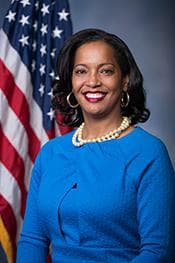
Jahana Hayes
Democratic Representative
Connecticut
Cosponsors (52)
John W. Mannion (Democratic)Yassamin Ansari (Democratic)Laura Friedman (Democratic)Sylvia R. Garcia (Democratic)Julie Johnson (Democratic)Robert Garcia (Democratic)Mark Pocan (Democratic)Jennifer L. McClellan (Democratic)Sanford D. Bishop (Democratic)Shontel M. Brown (Democratic)Greg Landsman (Democratic)Dina Titus (Democratic)Melanie A. Stansbury (Democratic)Suzan K. DelBene (Democratic)Sarah Elfreth (Democratic)Angie Craig (Democratic)Delia C. Ramirez (Democratic)Janelle S. Bynum (Democratic)George Latimer (Democratic)Henry C. "Hank" Johnson (Democratic)Sheila Cherfilus-McCormick (Democratic)Nikki Budzinski (Democratic)André Carson (Democratic)John B. Larson (Democratic)Stephen F. Lynch (Democratic)Mark DeSaulnier (Democratic)Jill N. Tokuda (Democratic)Morgan McGarvey (Democratic)Jerrold Nadler (Democratic)LaMonica McIver (Democratic)Alma S. Adams (Democratic)Mark Takano (Democratic)Lucy McBath (Democratic)Betty McCollum (Democratic)Eleanor Holmes Norton (Democratic)Mary Gay Scanlon (Democratic)Wesley Bell (Democratic)Janice D. Schakowsky (Democratic)James P. McGovern (Democratic)Alexandria Ocasio-Cortez (Democratic)Summer L. Lee (Democratic)Cleo Fields (Democratic)Seth Magaziner (Democratic)Sarah McBride (Democratic)Bennie G. Thompson (Democratic)Lori Trahan (Democratic)Lizzie Fletcher (Democratic)Jesús G. "Chuy" García (Democratic)Kevin Mullin (Democratic)George Whitesides (Democratic)Valerie P. Foushee (Democratic)Rashida Tlaib (Democratic)
Ways and Means Committee, Education and Workforce Committee
- Introduced
- In Committee
- On Floor
- Passed Chamber
- Enacted
The "Respect, Advancement, and Increasing Support for Educators Act of 2025," or RAISE Act, introduces a new refundable tax credit for eligible educators. This credit provides a base amount of $1,000 to all qualifying elementary, secondary, and early childhood teachers. An additional amount, up to $14,000 (or $9,000 for early childhood educators without a bachelor's degree), is available for educators working in high-poverty schools, scaled based on the school's student poverty ratio. To qualify, elementary and secondary teachers must be certified, teach at least 75% full-time, and have at least one year of experience. Early childhood educators need a Child Development Associate credential or higher, state certification, primary responsibility for children's learning 75% full-time, and one year of experience. Qualifying schools include public schools eligible for Title I assistance, Bureau of Indian Education schools, and early childhood programs serving low-income children. The bill includes provisions for inflation adjustments to the credit amounts after 2026. Crucially, the legislation mandates that state and local educational agencies, as well as early childhood program funders, cannot reduce teacher pay or loan forgiveness programs due to this tax credit. Employers are also prohibited from using the credit in collective bargaining or altering an educator's assignment to prevent or reduce their credit eligibility. The Federal Labor Relations Authority is empowered to enforce these employer limitations. Beyond the tax credit, the bill increases the existing deduction for elementary and secondary teacher expenses from $250 to $500 and expands its eligibility to include early childhood educators. This deduction will also be adjusted for inflation. Finally, the RAISE Act amends the Elementary and Secondary Education Act of 1965 to mandate significant federal funding for teacher support. It appropriates $5.2 billion for fiscal year 2026 , with annual increases tied to the Consumer Price Index. A portion of these funds will be reserved for "teacher salary incentive grants" awarded to local educational agencies that maintain or increase teacher salaries. These grants can be used for various initiatives, including teacher preparation, advanced certifications, leadership programs, mentoring, and professional development, all intended to supplement, not supplant, state and local efforts to improve teacher compensation and the educator workforce.
Suggested Questions
Get AI-generated questions to help you understand this bill better
Timeline
Introduced in House
Referred to the Committee on Ways and Means, and in addition to the Committee on Education and Workforce, for a period to be subsequently determined by the Speaker, in each case for consideration of such provisions as fall within the jurisdiction of the committee concerned.
Taxation
RAISE Act of 2025
USA119th CongressHR-1611| House
| Updated: 2/26/2025
The "Respect, Advancement, and Increasing Support for Educators Act of 2025," or RAISE Act, introduces a new refundable tax credit for eligible educators. This credit provides a base amount of $1,000 to all qualifying elementary, secondary, and early childhood teachers. An additional amount, up to $14,000 (or $9,000 for early childhood educators without a bachelor's degree), is available for educators working in high-poverty schools, scaled based on the school's student poverty ratio. To qualify, elementary and secondary teachers must be certified, teach at least 75% full-time, and have at least one year of experience. Early childhood educators need a Child Development Associate credential or higher, state certification, primary responsibility for children's learning 75% full-time, and one year of experience. Qualifying schools include public schools eligible for Title I assistance, Bureau of Indian Education schools, and early childhood programs serving low-income children. The bill includes provisions for inflation adjustments to the credit amounts after 2026. Crucially, the legislation mandates that state and local educational agencies, as well as early childhood program funders, cannot reduce teacher pay or loan forgiveness programs due to this tax credit. Employers are also prohibited from using the credit in collective bargaining or altering an educator's assignment to prevent or reduce their credit eligibility. The Federal Labor Relations Authority is empowered to enforce these employer limitations. Beyond the tax credit, the bill increases the existing deduction for elementary and secondary teacher expenses from $250 to $500 and expands its eligibility to include early childhood educators. This deduction will also be adjusted for inflation. Finally, the RAISE Act amends the Elementary and Secondary Education Act of 1965 to mandate significant federal funding for teacher support. It appropriates $5.2 billion for fiscal year 2026 , with annual increases tied to the Consumer Price Index. A portion of these funds will be reserved for "teacher salary incentive grants" awarded to local educational agencies that maintain or increase teacher salaries. These grants can be used for various initiatives, including teacher preparation, advanced certifications, leadership programs, mentoring, and professional development, all intended to supplement, not supplant, state and local efforts to improve teacher compensation and the educator workforce.
Suggested Questions
Get AI-generated questions to help you understand this bill better
Timeline
Introduced in House
Referred to the Committee on Ways and Means, and in addition to the Committee on Education and Workforce, for a period to be subsequently determined by the Speaker, in each case for consideration of such provisions as fall within the jurisdiction of the committee concerned.
Jahana Hayes
Democratic Representative
Connecticut
Cosponsors (52)
John W. Mannion (Democratic)Yassamin Ansari (Democratic)Laura Friedman (Democratic)Sylvia R. Garcia (Democratic)Julie Johnson (Democratic)Robert Garcia (Democratic)Mark Pocan (Democratic)Jennifer L. McClellan (Democratic)Sanford D. Bishop (Democratic)Shontel M. Brown (Democratic)Greg Landsman (Democratic)Dina Titus (Democratic)Melanie A. Stansbury (Democratic)Suzan K. DelBene (Democratic)Sarah Elfreth (Democratic)Angie Craig (Democratic)Delia C. Ramirez (Democratic)Janelle S. Bynum (Democratic)George Latimer (Democratic)Henry C. "Hank" Johnson (Democratic)Sheila Cherfilus-McCormick (Democratic)Nikki Budzinski (Democratic)André Carson (Democratic)John B. Larson (Democratic)Stephen F. Lynch (Democratic)Mark DeSaulnier (Democratic)Jill N. Tokuda (Democratic)Morgan McGarvey (Democratic)Jerrold Nadler (Democratic)LaMonica McIver (Democratic)Alma S. Adams (Democratic)Mark Takano (Democratic)Lucy McBath (Democratic)Betty McCollum (Democratic)Eleanor Holmes Norton (Democratic)Mary Gay Scanlon (Democratic)Wesley Bell (Democratic)Janice D. Schakowsky (Democratic)James P. McGovern (Democratic)Alexandria Ocasio-Cortez (Democratic)Summer L. Lee (Democratic)Cleo Fields (Democratic)Seth Magaziner (Democratic)Sarah McBride (Democratic)Bennie G. Thompson (Democratic)Lori Trahan (Democratic)Lizzie Fletcher (Democratic)Jesús G. "Chuy" García (Democratic)Kevin Mullin (Democratic)George Whitesides (Democratic)Valerie P. Foushee (Democratic)Rashida Tlaib (Democratic)
Ways and Means Committee, Education and Workforce Committee
Taxation
Related Bills
- Introduced
- In Committee
- On Floor
- Passed Chamber
- Enacted