Truck Parking Safety Improvement Act
USA119th CongressHR-1659| House
| Updated: 2/27/2025
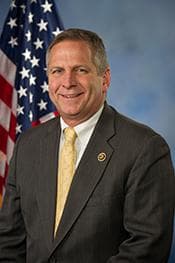
Mike Bost
Republican Representative
Illinois
Cosponsors (53)
Dusty Johnson (Republican)Eric A. "Rick" Crawford (Republican)Chris Pappas (Democratic)Shomari Figures (Democratic)Gabe Vasquez (Democratic)Emanuel Cleaver (Democratic)Darren Soto (Democratic)David J. Taylor (Republican)Mark Alford (Republican)Darin LaHood (Republican)Mike Ezell (Republican)Laura Gillen (Democratic)Troy A. Carter (Democratic)Eugene Simon Vindman (Democratic)Young Kim (Republican)Eric Swalwell (Democratic)Dina Titus (Democratic)Steve Cohen (Democratic)Angie Craig (Democratic)Donald G. Davis (Democratic)Jeff Hurd (Republican)Frank J. Mrvan (Democratic)Vicente Gonzalez (Democratic)Rudy Yakym (Republican)Daniel Meuser (Republican)Nikki Budzinski (Democratic)Hillary J. Scholten (Democratic)Suhas Subramanyam (Democratic)Brad Finstad (Republican)Tony Wied (Republican)Troy E. Nehls (Republican)Daniel Webster (Republican)Nellie Pou (Democratic)Henry Cuellar (Democratic)Salud O. Carbajal (Democratic)Josh Riley (Democratic)Joe Neguse (Democratic)Eric Sorensen (Democratic)Pete Stauber (Republican)Addison P. McDowell (Republican)Julia Brownley (Democratic)Seth Magaziner (Democratic)Derrick Van Orden (Republican)Max L. Miller (Republican)Deborah K. Ross (Democratic)Tom Barrett (Republican)Burgess Owens (Republican)Robert P. Bresnahan (Republican)Erin Houchin (Republican)Tracey Mann (Republican)Bryan Steil (Republican)Michael Guest (Republican)Nicole Malliotakis (Republican)
Transportation and Infrastructure Committee, Highways and Transit Subcommittee
- Introduced
- In Committee
- On Floor
- Passed Chamber
- Enacted
This bill establishes a competitive grant program to address the critical shortage of parking for commercial motor vehicles (CMVs) across the Federal-aid highway system. The primary goal is to enhance highway safety, improve freight movement efficiency, and ensure the well-being of CMV drivers by providing adequate and safe parking options. The Secretary of Transportation will award these grants to eligible entities, including states, metropolitan planning organizations, local governments, and Tribal governments, for projects that provide public parking for CMVs and improve driver safety. Eligible projects are diverse, ranging from constructing new safety rest areas with CMV parking to adding capacity adjacent to private truck stops or freight facilities, and reopening unused government facilities for parking. Grants can also fund capital improvements to existing public parking, initiatives to identify and manage parking availability using intelligent transportation systems , and enhancements to driver personal safety at these facilities. Project selection prioritizes areas with parking shortages, requires consultation with stakeholders, and must demonstrate a likely positive impact on parking availability, freight movement, and highway safety. The bill authorizes $151 million annually for fiscal years 2025 through 2029 for these grant projects. Funds can be used for both development phase activities and construction, with a strict prohibition on using them for charging or fueling infrastructure. A crucial requirement is that all parking facilities developed or improved with these grants must be publicly accessible and free of charge for commercial motor vehicle drivers. Additionally, the Secretary of Transportation is mandated to conduct biennial surveys and assessments, reporting on the availability of adequate parking, the effectiveness of funded projects, and overall progress in addressing the national parking shortage.
Suggested Questions
Get AI-generated questions to help you understand this bill better
Timeline
Introduced in House
Referred to the Subcommittee on Highways and Transit.
Referred to the House Committee on Transportation and Infrastructure.
Transportation and Public Works
Truck Parking Safety Improvement Act
USA119th CongressHR-1659| House
| Updated: 2/27/2025
This bill establishes a competitive grant program to address the critical shortage of parking for commercial motor vehicles (CMVs) across the Federal-aid highway system. The primary goal is to enhance highway safety, improve freight movement efficiency, and ensure the well-being of CMV drivers by providing adequate and safe parking options. The Secretary of Transportation will award these grants to eligible entities, including states, metropolitan planning organizations, local governments, and Tribal governments, for projects that provide public parking for CMVs and improve driver safety. Eligible projects are diverse, ranging from constructing new safety rest areas with CMV parking to adding capacity adjacent to private truck stops or freight facilities, and reopening unused government facilities for parking. Grants can also fund capital improvements to existing public parking, initiatives to identify and manage parking availability using intelligent transportation systems , and enhancements to driver personal safety at these facilities. Project selection prioritizes areas with parking shortages, requires consultation with stakeholders, and must demonstrate a likely positive impact on parking availability, freight movement, and highway safety. The bill authorizes $151 million annually for fiscal years 2025 through 2029 for these grant projects. Funds can be used for both development phase activities and construction, with a strict prohibition on using them for charging or fueling infrastructure. A crucial requirement is that all parking facilities developed or improved with these grants must be publicly accessible and free of charge for commercial motor vehicle drivers. Additionally, the Secretary of Transportation is mandated to conduct biennial surveys and assessments, reporting on the availability of adequate parking, the effectiveness of funded projects, and overall progress in addressing the national parking shortage.
Suggested Questions
Get AI-generated questions to help you understand this bill better
Timeline
Introduced in House
Referred to the Subcommittee on Highways and Transit.
Referred to the House Committee on Transportation and Infrastructure.
Mike Bost
Republican Representative
Illinois
Cosponsors (53)
Dusty Johnson (Republican)Eric A. "Rick" Crawford (Republican)Chris Pappas (Democratic)Shomari Figures (Democratic)Gabe Vasquez (Democratic)Emanuel Cleaver (Democratic)Darren Soto (Democratic)David J. Taylor (Republican)Mark Alford (Republican)Darin LaHood (Republican)Mike Ezell (Republican)Laura Gillen (Democratic)Troy A. Carter (Democratic)Eugene Simon Vindman (Democratic)Young Kim (Republican)Eric Swalwell (Democratic)Dina Titus (Democratic)Steve Cohen (Democratic)Angie Craig (Democratic)Donald G. Davis (Democratic)Jeff Hurd (Republican)Frank J. Mrvan (Democratic)Vicente Gonzalez (Democratic)Rudy Yakym (Republican)Daniel Meuser (Republican)Nikki Budzinski (Democratic)Hillary J. Scholten (Democratic)Suhas Subramanyam (Democratic)Brad Finstad (Republican)Tony Wied (Republican)Troy E. Nehls (Republican)Daniel Webster (Republican)Nellie Pou (Democratic)Henry Cuellar (Democratic)Salud O. Carbajal (Democratic)Josh Riley (Democratic)Joe Neguse (Democratic)Eric Sorensen (Democratic)Pete Stauber (Republican)Addison P. McDowell (Republican)Julia Brownley (Democratic)Seth Magaziner (Democratic)Derrick Van Orden (Republican)Max L. Miller (Republican)Deborah K. Ross (Democratic)Tom Barrett (Republican)Burgess Owens (Republican)Robert P. Bresnahan (Republican)Erin Houchin (Republican)Tracey Mann (Republican)Bryan Steil (Republican)Michael Guest (Republican)Nicole Malliotakis (Republican)
Transportation and Infrastructure Committee, Highways and Transit Subcommittee
Transportation and Public Works
- Introduced
- In Committee
- On Floor
- Passed Chamber
- Enacted