Timely and Accurate Benefits Act
USA119th CongressHR-1755| House
| Updated: 2/27/2025
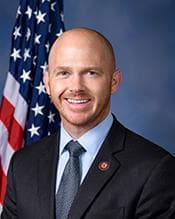
William R. Timmons
Republican Representative
South Carolina
Cosponsors (5)
Oversight and Government Reform Committee
- Introduced
- In Committee
- On Floor
- Passed Chamber
- Enacted
This legislation requires states to implement an Enhanced Income Verification Platform within one year of its enactment to remain eligible for federal funds. This mandate applies to any covered Federal benefit program where eligibility or benefit amounts are determined by an individual's or household's income, whether administered federally, by a state, or by a local government using federal funds. The primary goal is to improve the accuracy and integrity of benefit distribution by ensuring thorough income verification. The bill defines "enhanced gross income" comprehensively, including traditional wages, self-employment income, unemployment compensation, Social Security benefits, interest, rental income, child support, and even recurring gifts. Significantly, it also incorporates income identified through consumer-permissioned direct access to deposit account transaction data. The required platform must utilize automated, real-time data matching and analytics to proactively identify unreported income, inconsistent reporting, or other indicators of potential ineligibility or improper payments, while also consolidating overlapping financial records to prevent double-counting.
View Full TextSuggested Questions
Get AI-generated questions to help you understand this bill better
Timeline
Introduced in House
Referred to the House Committee on Oversight and Government Reform.
Government Operations and Politics
Timely and Accurate Benefits Act
USA119th CongressHR-1755| House
| Updated: 2/27/2025
This legislation requires states to implement an Enhanced Income Verification Platform within one year of its enactment to remain eligible for federal funds. This mandate applies to any covered Federal benefit program where eligibility or benefit amounts are determined by an individual's or household's income, whether administered federally, by a state, or by a local government using federal funds. The primary goal is to improve the accuracy and integrity of benefit distribution by ensuring thorough income verification. The bill defines "enhanced gross income" comprehensively, including traditional wages, self-employment income, unemployment compensation, Social Security benefits, interest, rental income, child support, and even recurring gifts. Significantly, it also incorporates income identified through consumer-permissioned direct access to deposit account transaction data. The required platform must utilize automated, real-time data matching and analytics to proactively identify unreported income, inconsistent reporting, or other indicators of potential ineligibility or improper payments, while also consolidating overlapping financial records to prevent double-counting.
View Full TextSuggested Questions
Get AI-generated questions to help you understand this bill better
Timeline
Introduced in House
Referred to the House Committee on Oversight and Government Reform.
William R. Timmons
Republican Representative
South Carolina
Cosponsors (5)
Oversight and Government Reform Committee
Government Operations and Politics
Related Bills
- Introduced
- In Committee
- On Floor
- Passed Chamber
- Enacted