Disclose GIFT Act
USA119th CongressHR-1999| House
| Updated: 3/10/2025
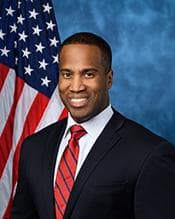
John James
Republican Representative
Michigan
Cosponsors (1)
Education and Workforce Committee
- Introduced
- In Committee
- On Floor
- Passed Chamber
- Enacted
The "Disclose Getting Involved in Foreign Transactions Act," or the Disclose GIFT Act , aims to amend the Higher Education Act of 1965 by establishing new requirements for higher education institutions regarding foreign gifts and contracts. This legislation mandates that eligible institutions, primarily those receiving significant federal research funds or Title VI funds, implement policies requiring their covered staff and faculty to disclose certain financial interactions with foreign sources. The goal is to increase transparency and mitigate risks associated with foreign influence in academic settings. Under the bill, institutions must require annual disclosure of gifts from foreign sources exceeding a minimal value, as well as contracts with foreign sources valued at $5,000 or more. Critically, all contracts with designated "foreign countries of concern" or "foreign entities of concern" must be disclosed regardless of value, including the full text of such agreements. Institutions are then required to maintain a publicly available, searchable database of this disclosed information, excluding personally identifiable details of individuals, and keep records for a specified period. Furthermore, institutions must develop and implement effective plans to identify and manage potential information gathering by foreign sources through espionage, utilizing periodic communications, accurate reporting, and policy enforcement. To ensure compliance, institutions must establish an institutional policy and designate one to three compliance officers responsible for certifying adherence to these new requirements. The Department of Education will maintain a single point-of-contact to assist institutions and publish a comprehensive list of foreign countries and entities of concern. The bill outlines robust enforcement mechanisms, empowering the Secretary of Education to investigate violations and request the Attorney General to initiate civil actions to compel compliance. Institutions found in violation face significant penalties, including paying the full costs of enforcement and substantial fines, starting at $250,000 or the total value of unreported gifts/contracts for first-time offenses, and increasing for subsequent violations. Repeated non-compliance (three civil actions) can result in the institution becoming ineligible for federal Title IV programs for at least two fiscal years.
View Full TextSuggested Questions
Get AI-generated questions to help you understand this bill better
Timeline
Introduced in House
Referred to the House Committee on Education and Workforce.
Education
Civil actions and liabilityCongressional oversightEducation programs fundingGovernment information and archivesGovernment studies and investigationsHigher educationSchool administrationTeaching, teachers, curricula
Disclose GIFT Act
USA119th CongressHR-1999| House
| Updated: 3/10/2025
The "Disclose Getting Involved in Foreign Transactions Act," or the Disclose GIFT Act , aims to amend the Higher Education Act of 1965 by establishing new requirements for higher education institutions regarding foreign gifts and contracts. This legislation mandates that eligible institutions, primarily those receiving significant federal research funds or Title VI funds, implement policies requiring their covered staff and faculty to disclose certain financial interactions with foreign sources. The goal is to increase transparency and mitigate risks associated with foreign influence in academic settings. Under the bill, institutions must require annual disclosure of gifts from foreign sources exceeding a minimal value, as well as contracts with foreign sources valued at $5,000 or more. Critically, all contracts with designated "foreign countries of concern" or "foreign entities of concern" must be disclosed regardless of value, including the full text of such agreements. Institutions are then required to maintain a publicly available, searchable database of this disclosed information, excluding personally identifiable details of individuals, and keep records for a specified period. Furthermore, institutions must develop and implement effective plans to identify and manage potential information gathering by foreign sources through espionage, utilizing periodic communications, accurate reporting, and policy enforcement. To ensure compliance, institutions must establish an institutional policy and designate one to three compliance officers responsible for certifying adherence to these new requirements. The Department of Education will maintain a single point-of-contact to assist institutions and publish a comprehensive list of foreign countries and entities of concern. The bill outlines robust enforcement mechanisms, empowering the Secretary of Education to investigate violations and request the Attorney General to initiate civil actions to compel compliance. Institutions found in violation face significant penalties, including paying the full costs of enforcement and substantial fines, starting at $250,000 or the total value of unreported gifts/contracts for first-time offenses, and increasing for subsequent violations. Repeated non-compliance (three civil actions) can result in the institution becoming ineligible for federal Title IV programs for at least two fiscal years.
View Full TextSuggested Questions
Get AI-generated questions to help you understand this bill better
Timeline
Introduced in House
Referred to the House Committee on Education and Workforce.
John James
Republican Representative
Michigan
Cosponsors (1)
Education and Workforce Committee
Education
Related Bills
- Introduced
- In Committee
- On Floor
- Passed Chamber
- Enacted
Civil actions and liabilityCongressional oversightEducation programs fundingGovernment information and archivesGovernment studies and investigationsHigher educationSchool administrationTeaching, teachers, curricula